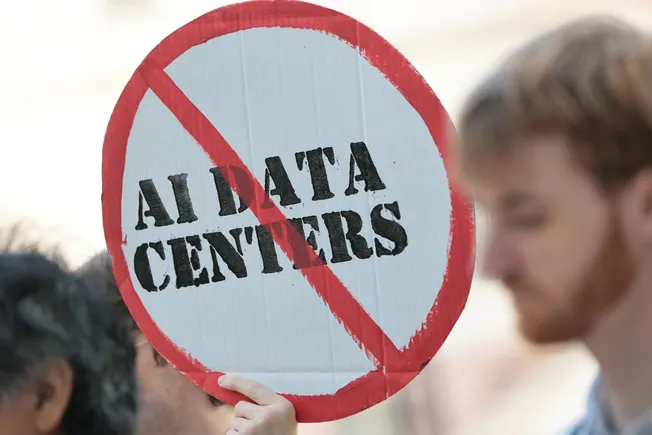
Data center cancellations in the U.S. more than doubled in the third quarter of 2026, with 16 projects halted due to increasing community pushback, according to insights from Relae, a climate solutions firm. This trend highlights a significant shift in local dynamics affecting the construction industry.
What Happened
The number of data center projects stopped in the third quarter of 2026 rose starkly compared to the same period in 2025, jumping from seven to sixteen. Relae, previously known as Carbon Direct, revealed that since 2024, a staggering 70 projects have been blocked, withdrawn, or stalled, amounting to an estimated loss of $271 billion in potential investments. The third quarter alone saw $64 billion worth of planned projects halted. This increase in cancellations coincides with an election period that saw a political shift as Democrats secured control of both the House and the Senate, attributed partly to public opposition to data centers.
Local governments were primarily responsible for these cancellations, with seven projects meeting formal denials and four others stopped due to zoning bans. Additionally, five projects were abandoned by developers themselves. A notable driver of these cancellations is community opposition, which often stems from a lack of transparency from project teams. In fact, transparency issues were a primary or secondary concern in 34 of the 44 stopped projects analyzed by Relae.
What This Means for Your Business
For AECM professionals and government contractors, this trend underscores the necessity of fostering community engagement and transparency in project planning. The surge in cancellations not only represents potential financial losses but also indicates shifting public sentiments that could affect future projects. Firms should consider proactive community outreach and transparent communication strategies to mitigate opposition risks. Moreover, with $271 billion in investments jeopardized, the competitive landscape could tighten, prompting companies to refine project proposals and compliance strategies to align with community and governmental expectations.
This climate also elevates the importance of compliance with local regulations and zoning laws. As local governments become more interventionist, aligning projects with community values and regulations is crucial. Additionally, with the rise of CMMC and Zero Trust frameworks, firms must ensure robust cybersecurity measures are in place, as data centers are critical infrastructure components.
What US Operators Should Watch
AECM stakeholders should closely monitor upcoming federal and local regulatory changes, particularly those related to zoning and environmental compliance. The political landscape indicates potential for increased legislative actions against data center developments, making it essential to track policy shifts and community sentiments. Additionally, firms should prepare for potential audits and compliance checks aligned with new cybersecurity mandates such as CMMC.
The recent wave of ballot measures—46 out of 47 passed to limit or ban data center developments—signals that electoral outcomes could further shape the regulatory environment. Staying informed about local election results and legislative sessions will be pivotal for strategic planning and maintaining competitive advantages.
Is your firm ready for what’s next?
VisioneerIT helps AECM and government contractors modernize operations, achieve compliance, and implement AI.
Explore VisioneerIT Solutions →