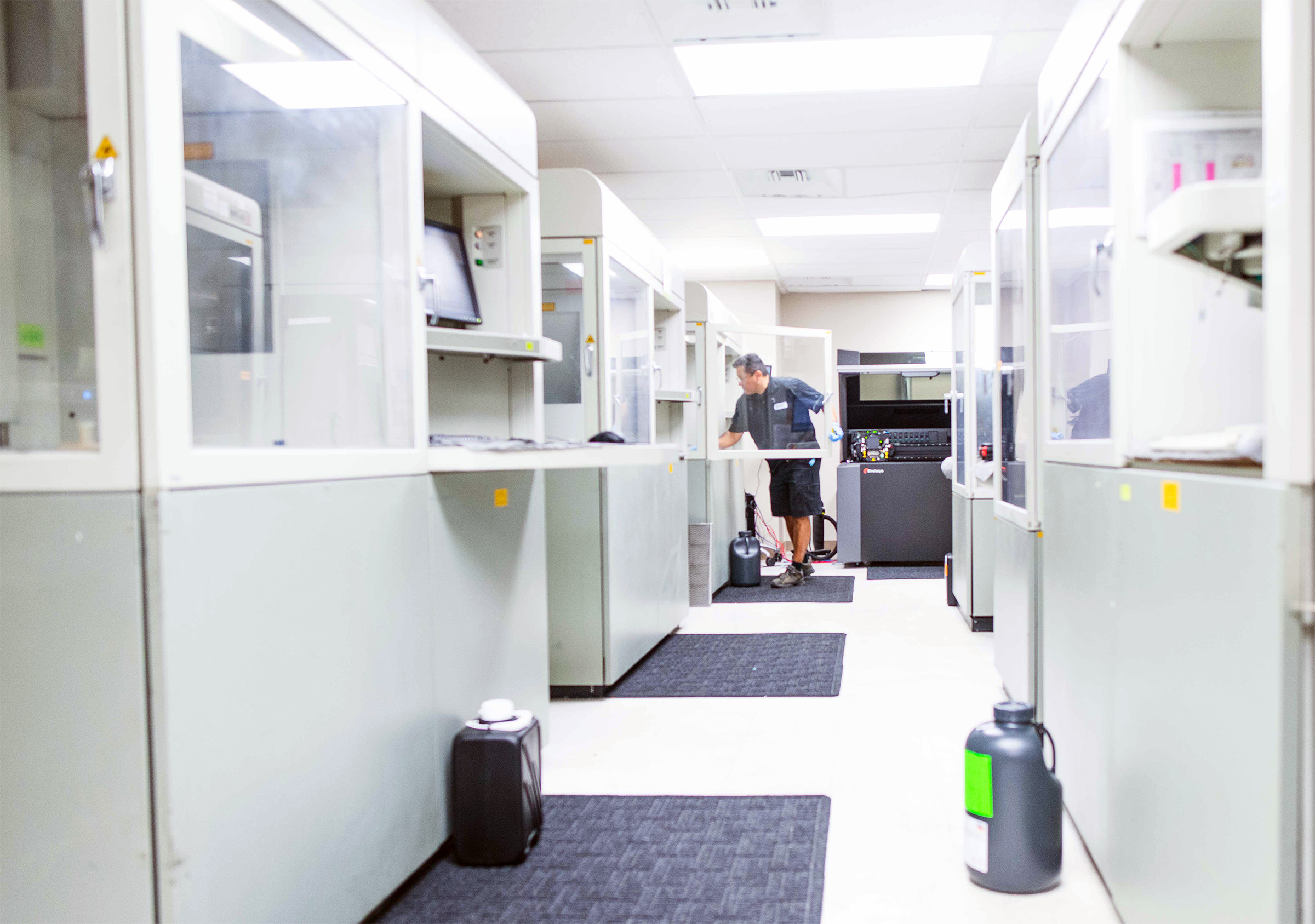
Additive manufacturing, commonly known as 3D printing, is on the cusp of a significant transformation, largely driven by the contract manufacturing sector rather than the original equipment manufacturers (OEMs). This shift could redefine the landscape for businesses in architecture, engineering, construction, and manufacturing (AECM), offering new pathways for efficiency and innovation.
What Happened
Additive manufacturing has been a buzzword in the industrial sector for years, promising to revolutionize production with its ability to create complex structures layer by layer. However, its adoption has been slower than anticipated, primarily due to high costs and technical challenges. Recent insights suggest that the momentum is now shifting towards contract manufacturers, who are better positioned to harness the technology's potential. These suppliers can offer specialized services and expertise, making 3D printing more accessible and cost-effective for a wider range of industries. As noted by Ian Wright at Engineering.com, this trend could lead to a more distributed manufacturing model, reducing the reliance on centralized production hubs.
What This Means for Your Business
For AECM professionals, this evolution in 3D printing presents a unique opportunity. With contract manufacturers at the helm, businesses can leverage advanced manufacturing capabilities without investing heavily in their own infrastructure. This shift can lead to significant cost savings and operational efficiencies, allowing companies to focus resources on core competencies. Additionally, the increased availability of 3D printing services could spur innovation by enabling rapid prototyping and customization at a lower cost. Compliance with evolving standards such as CMMC and NIST will remain critical, as will the integration of zero trust architectures to safeguard intellectual property in a more decentralized manufacturing environment.
What US Operators Should Watch
AECM businesses should closely monitor the growth of contract manufacturing networks and assess potential partnerships that could enhance their competitive positioning. Keeping an eye on advancements in 3D printing technologies and their applications across different sectors will be crucial. As the market for industrial 3D printing expands, procurement officers and C-suite executives should consider how these technologies can be integrated into their supply chains to drive innovation and efficiency. Additionally, staying informed about federal funding opportunities for advanced manufacturing projects could provide valuable support for companies looking to adopt these technologies.
Source: https://www.engineering.com/contract-manufacturing-and-the-future-of-industrial-3d-printing/. Read the original story ->
Is your firm ready for what’s next?
VisioneerIT helps AECM and government contractors modernize operations, achieve compliance, and implement AI.
Explore VisioneerIT Solutions →