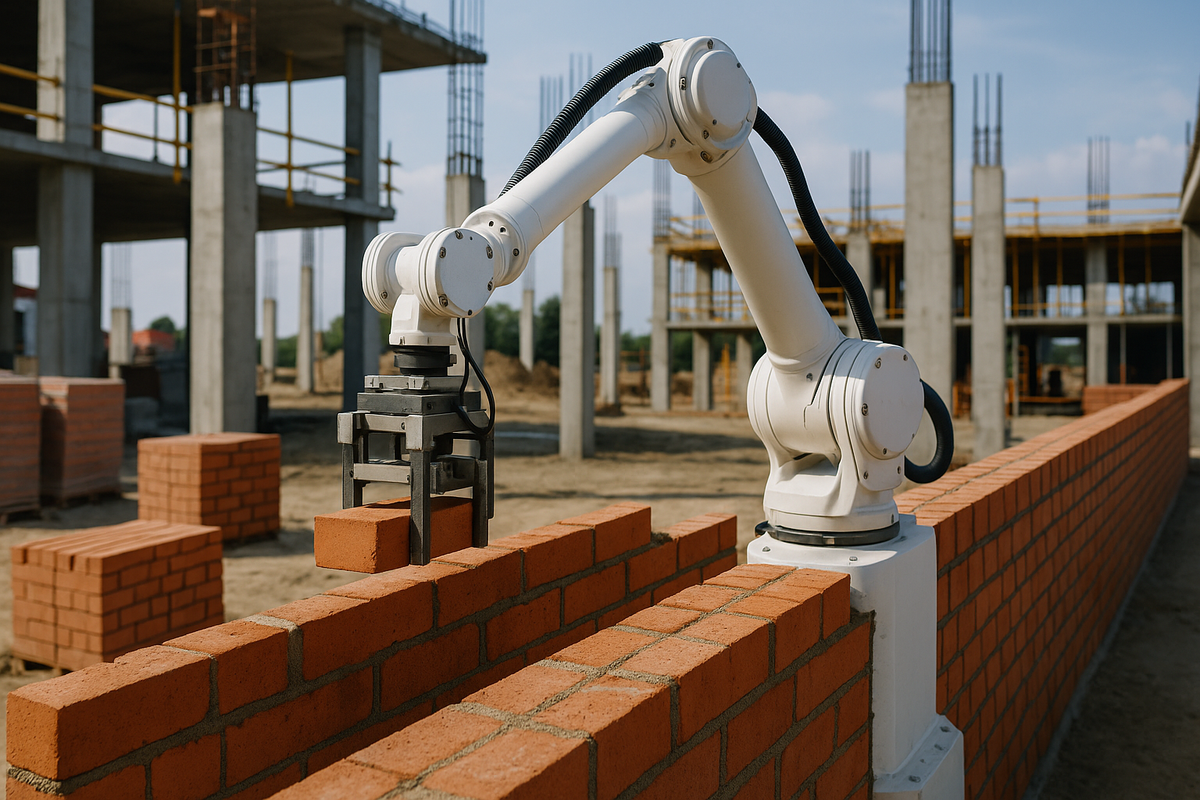
Construction robotics are entering a pivotal phase as industry leaders recognize both their potential for transformation and the hurdles to widespread adoption. While pilot projects demonstrate promising results, scaling these innovations remains a complex challenge.
What Happened
Construction robotics have shown significant promise in pilot trials, yet few of these projects transition into full-scale implementations. Rishabh Aggarwal of Raise Robotics highlights the dichotomy between successful pilot programs and the struggle to integrate these technologies on a larger scale. The core of the issue lies in the unique complexities of the construction industry, which include variable site conditions, diverse project requirements, and stringent safety standards. These factors make it difficult for robotics solutions to adapt seamlessly across different projects and environments.
The construction industry is notorious for its slow adoption of new technologies. Despite robotics' potential to enhance productivity, reduce labor costs, and improve safety, many firms are hesitant to move beyond pilot stages. This hesitation is often due to the high upfront costs, uncertainty about return on investment, and the need for specialized training and skills to operate these advanced machines.
What This Means for Your Business
For AECM firms and contractors, the promise of construction robotics is undeniable. The potential benefits of increased efficiency, cost savings, and improved safety standards offer a compelling case for adoption. However, companies must navigate the challenges of integration and scaling. Understanding and anticipating the unique requirements of each project can help in tailoring robotic solutions that fit specific needs.
Businesses should also consider the implications for procurement and compliance. As robotics technology evolves, staying informed about advancements and regulatory changes will be crucial. Investing in staff training and development will ensure that the workforce is equipped to handle these new technologies, thereby maximizing their potential.
What US Operators Should Watch
US operators should keep an eye on emerging trends in construction robotics and the evolving regulatory landscape. With federal initiatives often encouraging innovation, there may be opportunities for funding and partnerships that can facilitate the scaling of robotic solutions. Additionally, operators should monitor developments in compliance standards, such as the Cybersecurity Maturity Model Certification (CMMC), which may affect technology integration processes.
The window for early adoption is critical. Firms that can successfully integrate robotics into their operations will likely gain a competitive edge in the market, setting a benchmark for efficiency and innovation.
Source: https://aec-business.com/construction-robot-pilots-are-rigged-for-success-but-seldom-scale/. Read the original story ->
Is your firm ready for what’s next?
VisioneerIT helps AECM and government contractors modernize operations, achieve compliance, and implement AI.
Explore VisioneerIT Solutions →