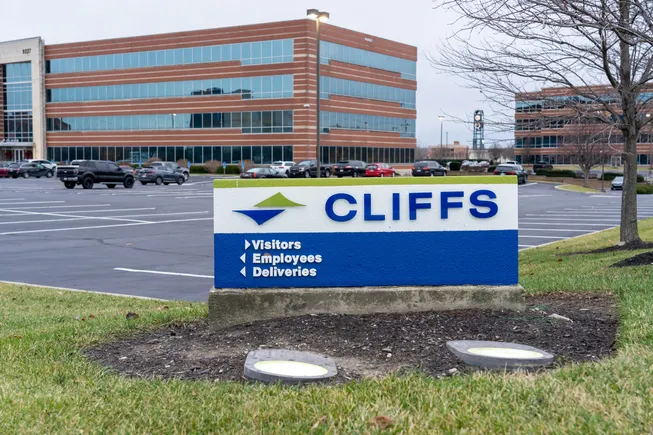
Cleveland-Cliffs CEO Lourenco Goncalves has publicly criticized Canada's handling of steel imports, citing it as a reason for the company's decision to lay off hundreds of workers at its Stelco operations in Ontario. During an earnings call on October 19, 2026, Goncalves highlighted the inadequacy of Canada’s tariff-rate quota system in mitigating the influx of galvanized steel imports, which he argues is crowding out domestic producers like Stelco and ArcelorMittal.
What Happened
Goncalves pointed to Canada’s insufficient reduction of imported galvanized steel as a critical factor impacting Stelco's operations. The company, which Cleveland-Cliffs acquired for $2.8 billion in 2024, has been forced to temporarily lay off up to 500 workers at its Hamilton and Nanticoke plants due to what the CEO describes as an oversaturated market. Despite the Canadian government's recent financial support initiatives, Goncalves asserts that these measures fall short, specifically in addressing the galvanized steel sector. He emphasized that resolving this issue could allow Stelco to rehire the laid-off workers and resume full production.
The Canadian government, represented by Industry Minister Melanie Joly, has taken a firm stance against the layoffs, warning that they contravene Cleveland-Cliffs' acquisition agreement to maintain a certain level of unionized employment in Canada. Joly has threatened legal action and the potential sale of Cleveland-Cliffs' Canadian assets if the company fails to uphold its employment commitments.
Despite these challenges, Stelco has reported a profitable third quarter, attributed to the effectiveness of enhanced tariff-rate quotas on hot-rolled steel, which were implemented in December 2025 and updated in June. Goncalves maintains that a similar approach to galvanized steel could stabilize the domestic market and secure jobs.
What This Means for Your Business
For U.S. operators in the Architecture, Engineering, Construction, and Manufacturing (AECM) sectors, this situation underscores the complex interplay between international trade policies and operational stability. The potential for legal action and asset sales highlights the need for compliance with acquisition agreements, particularly in cross-border transactions. Additionally, the evolving tariff landscape presents both challenges and opportunities for companies involved in the steel supply chain.
Businesses should closely monitor shifts in tariff policies and international trade agreements, as these can significantly impact procurement strategies and supply chain logistics. The Canadian market's response to Cleveland-Cliffs' demands could set precedents for future negotiations, affecting competitive positioning and market access for U.S. companies.
What US Operators Should Watch
U.S. businesses should keep an eye on upcoming decisions by the Canadian government regarding potential modifications to steel import regulations. Changes in these policies could affect supply chain dynamics and pricing strategies. Furthermore, monitoring the legal proceedings between Cleveland-Cliffs and the Canadian government will be crucial for understanding the regulatory environment and compliance expectations in cross-border operations.
Source: https://www.manufacturingdive.com/news/cleveland-cliffs-ceo-lourenco-goncalves-blames-canada-stelco-layoffs/833352/. Read the original story ->
Is your firm ready for what’s next?
VisioneerIT helps AECM and government contractors modernize operations, achieve compliance, and implement AI.
Explore VisioneerIT Solutions →