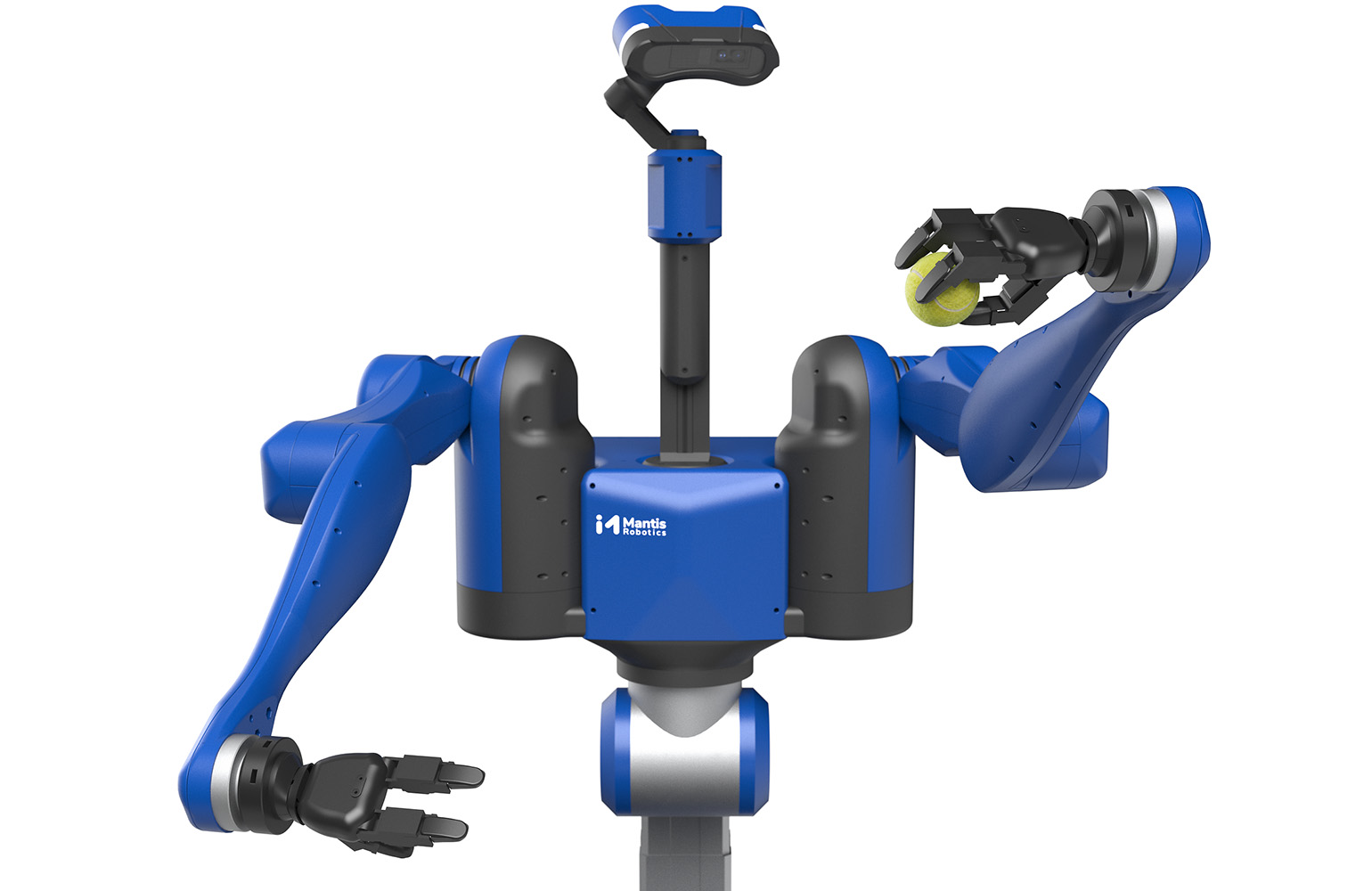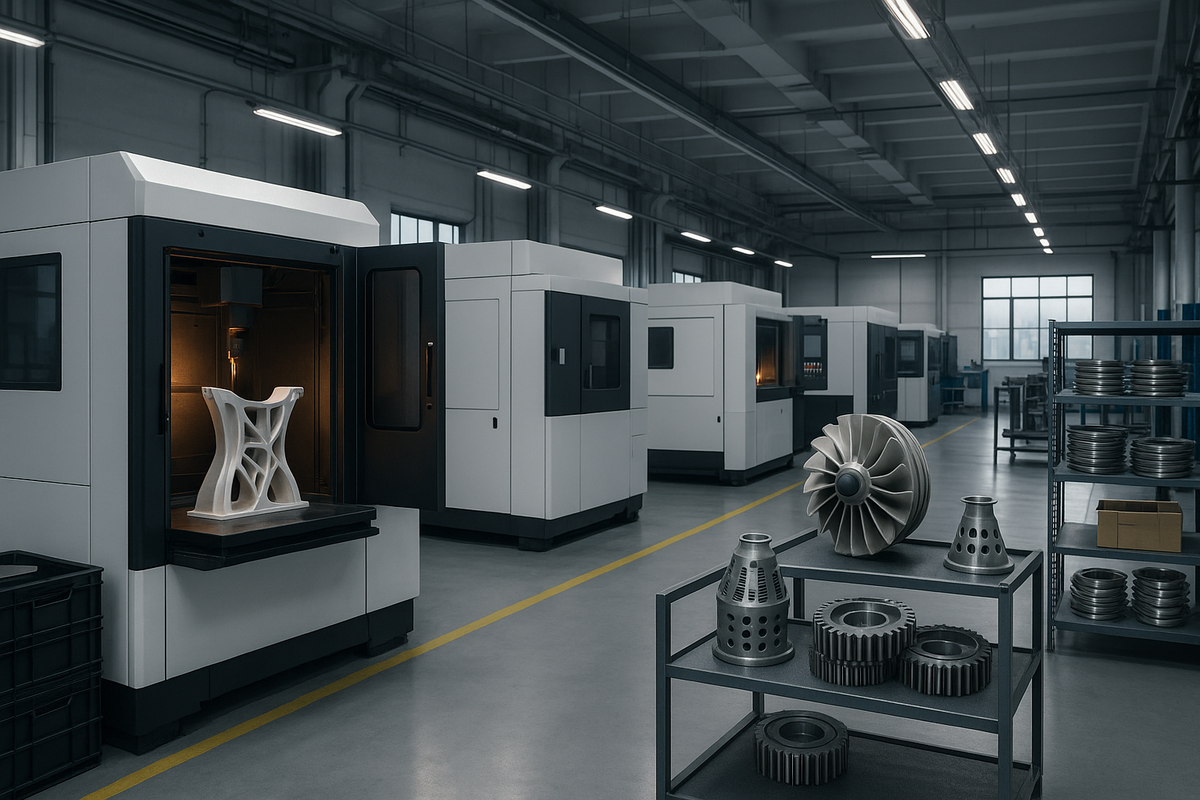
China's rapid expansion in the 3D printing sector is reshaping the global manufacturing landscape, particularly in aerospace and robotics. This surge positions China as a formidable player, with over 90% of the world's entry-level 3D printers originating from Chinese manufacturers. For AECM professionals, understanding this shift is crucial as it influences supply chains, competitive dynamics, and market opportunities.
What Happened
China has significantly ramped up its 3D printing capabilities, becoming a global leader in the production and export of entry-level 3D printers. This growth is not just a matter of scale, but also of technological advancement and strategic positioning in high-tech sectors like aerospace and robotics. The country's investment in 3D printing technology supports its broader industrial strategy to move up the value chain and assert its influence in global markets. This development is part of China's broader ambition to dominate emerging technologies and improve its industrial competitiveness.
What This Means for Your Business
The implications for US-based AECM firms are profound. With China controlling a substantial share of the entry-level 3D printer market, American companies must reassess their supply chain dependencies and consider the competitive advantages of integrating advanced 3D printing technologies. There is potential for cost savings and increased efficiency in design and prototyping, which can enhance ROI. However, firms must also navigate potential risks, such as supply chain disruptions and increased competition from Chinese firms that leverage these technologies.
Additionally, compliance considerations such as adherence to the Cybersecurity Maturity Model Certification (CMMC) and NIST guidelines become more critical as companies adopt these technologies. The rise of 3D printing also opens up new federal funding opportunities for innovation and technology development, particularly in sectors like aerospace where precision and customization are paramount.
What US Operators Should Watch
US operators should closely monitor developments in Chinese 3D printing technology and its applications in aerospace and robotics. Keeping an eye on federal procurement windows and regulation timelines related to advanced manufacturing technologies will be essential. Furthermore, staying updated on CMMC audit dates and cybersecurity compliance will be necessary to mitigate risks associated with increased technological integration.
---
Source: https://www.msn.com/en-us/money/general/china-s-3d-printing-surge-reshapes-aerospace-robotics-and-global-markets/ar-AA25JS1h. Read the original story ->
Is your firm ready for what’s next?
VisioneerIT helps AECM and government contractors modernize operations, achieve compliance, and implement AI.
Explore VisioneerIT Solutions →Tracking the right federal opportunities?
OryonIQ's AI platform monitors agency forecasts, contract awards, and procurement timelines — so government contractors always know what’s coming next.
Try OryonIQ Free →