Canada's construction industry is navigating a complex landscape as of May 2026, presenting both opportunities and challenges for stakeholders. The industry is experiencing mixed signals with fluctuating demand across residential and non-residential sectors. For AECM professionals in the U.S., these trends offer insights into potential market dynamics and cross-border opportunities.
What Happened
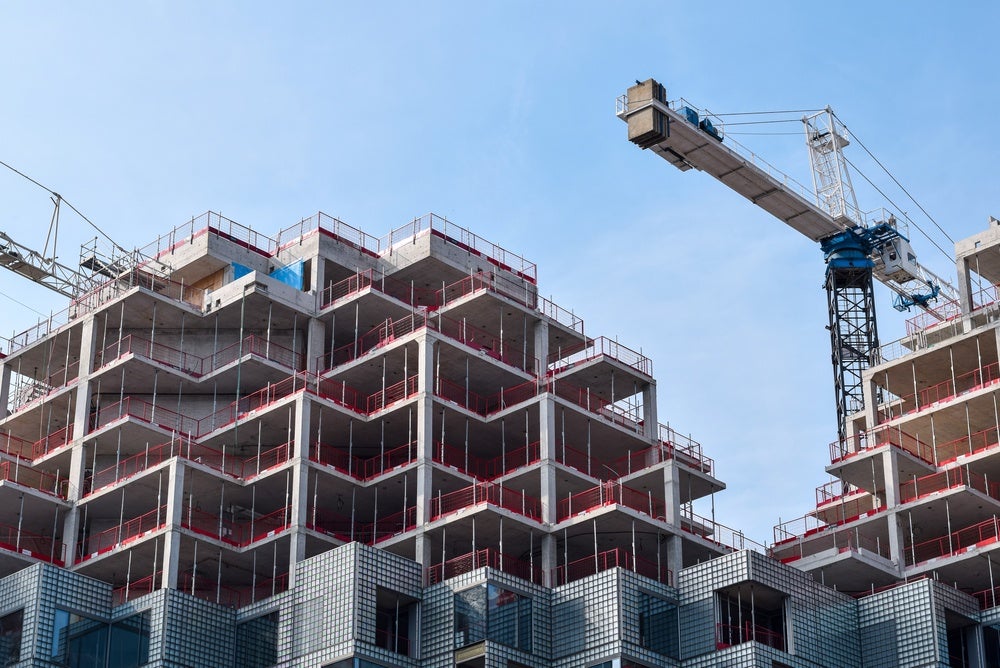
Canada's construction sector is showing a mixed performance as of May 2026, with varying trends across different segments. Key urban areas like Toronto continue to see robust condominium construction, as evidenced by ongoing projects such as the one on Wellington Street. However, the overall pace of growth in the construction industry is uneven. While residential construction remains a stronghold, driven by urban demand and population growth, non-residential construction is facing headwinds. Factors such as fluctuating raw material costs, labor shortages, and regulatory changes are impacting project timelines and financial forecasts. These dynamics are particularly relevant for U.S. firms involved in cross-border projects or those looking to expand their footprint into Canada.
What This Means for Your Business
For AECM firms and contractors, the current scenario in Canada underscores the importance of strategic planning and risk management. Companies should be vigilant about regulatory shifts and potential cost escalations in raw materials. The ongoing demand in the residential sector offers opportunities for U.S. firms specializing in urban residential projects to tap into Canada's growing markets. However, non-residential projects may require more cautious investment strategies due to potential volatility. Understanding Canada's compliance requirements and aligning with local regulations will be crucial for securing contracts and maintaining competitive positioning. Firms should also consider leveraging technological advancements to mitigate labor shortages and optimize project efficiencies.
What US Operators Should Watch
U.S. businesses eyeing expansion into Canada should monitor several key factors. Keeping abreast of regulatory updates and compliance deadlines will be essential for successful project execution. Additionally, firms should watch for procurement windows and bid opportunities, particularly in the residential sector where demand remains strong. Adapting to Canada's evolving construction landscape will require flexibility and a keen understanding of local market conditions. Furthermore, maintaining awareness of international trade policies that could affect material costs and labor availability is vital for strategic planning.
Source: https://www.worldconstructionnetwork.com/analyst-comment/canada-construction-industry-mixed-scenario/. Read the original story ->
Is your firm ready for what’s next?
VisioneerIT helps AECM and government contractors modernize operations, achieve compliance, and implement AI.
Explore VisioneerIT Solutions →