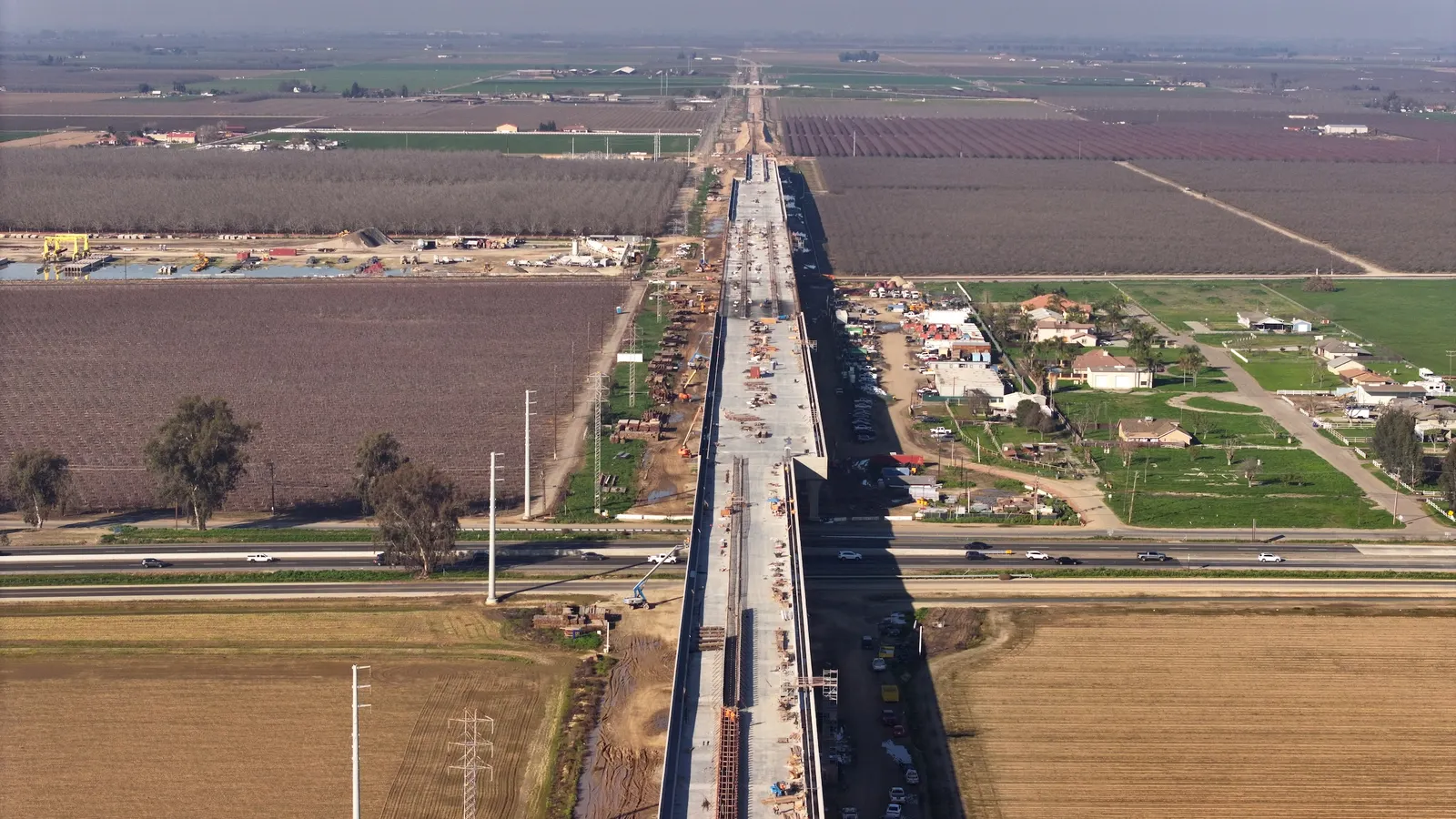
California's ambitious high-speed rail project is teetering on the brink of a financial crisis, according to a recent report from the state's Office of Inspector General (OIG). The report warns that without additional funding, the project could deplete its financial resources by the end of 2027. This situation presents significant challenges for stakeholders in the architecture, engineering, construction, and manufacturing (AECM) sectors, as well as government contractors involved in the project.
What Happened
The OIG's report highlights a critical shortfall in funding for the California high-speed rail project. Despite state commitments to allocate $1 billion annually over the next 20 years, these funds are insufficient to maintain the project's momentum. The high-speed rail, which aims to connect Los Angeles and San Francisco, has faced numerous delays and budget overruns since its inception. Initially estimated to cost $33 billion and be completed by 2020, the project's current cost projections have ballooned to $105 billion, with completion dates pushed back to 2033. The Inspector General's assessment underscores the need for additional financial input to avoid halting construction and jeopardizing the entire project.
What This Means for Your Business
For businesses in the AECM industry, the financial uncertainty surrounding the California high-speed rail project poses both risks and opportunities. Companies currently contracted may face payment delays or contract renegotiations if funding gaps are not addressed. On the flip side, firms with innovative financing solutions or expertise in cost-effective engineering could find new opportunities to engage with the project as the state seeks alternative funding sources. Additionally, the focus on sustainable infrastructure could open doors for green technology providers and eco-friendly construction practices.
The situation also emphasizes the importance of compliance with federal and state regulations, particularly in light of potential new funding streams. Businesses must ensure adherence to standards such as the Cybersecurity Maturity Model Certification (CMMC) and NIST guidelines to remain competitive in bidding for future contracts.
What US Operators Should Watch
US operators involved in the project or considering entry should closely monitor developments in state and federal funding decisions. Key deadlines include state budget cycles and any upcoming legislative sessions that may address infrastructure funding. Additionally, businesses should stay informed about potential procurement opportunities that may arise if the state seeks to diversify its contractor base or implements new technologies to reduce costs.
The high-speed rail project serves as a reminder of the complexities and financial risks associated with large-scale infrastructure initiatives. Stakeholders must remain vigilant and proactive in navigating these challenges to capitalize on opportunities as they arise.
Source: Smart Cities Dive
Is your firm ready for what’s next?
VisioneerIT helps AECM and government contractors modernize operations, achieve compliance, and implement AI.
Explore VisioneerIT Solutions →