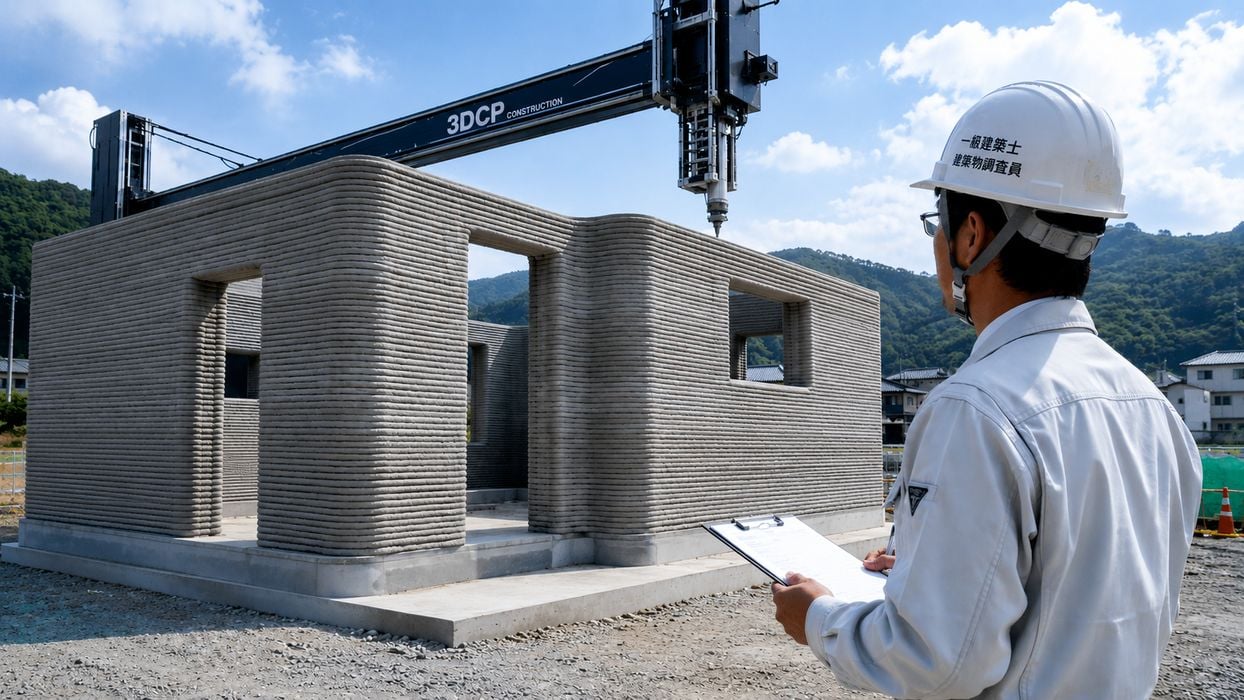
Building regulations pose significant hurdles for the adoption of construction 3D printing (3DCP) technologies, according to a recent report by Fabbaloo. As the construction industry increasingly turns to innovative methods like 3DCP to accelerate project timelines and reduce costs, outdated building codes remain a substantial barrier. For architecture, engineering, construction, and manufacturing (AECM) professionals, understanding these challenges and their implications is critical.
What Happened
Construction 3D printing, a technology that allows for the rapid printing of concrete structures, is gaining traction across the globe. However, as highlighted in a recent case involving Tokyo-based Onocom Co., regulatory hurdles can significantly delay projects. Onocom attempted to construct a cylindrical building using 3DCP, completing the printing process in just 10 days. Yet, due to Japan's Building Standards Law, which requires certification for structures made solely from mortar, the company had to incorporate reinforced concrete. This compliance requirement extended the entire construction period to approximately six months, negating the time-saving benefits of 3DCP.
This scenario underscores the broader issue that existing building codes—designed for traditional construction methods—do not readily accommodate new technologies like 3DCP. Inspectors often lack the experience to evaluate 3D-printed structures, leading to delays and increased costs. As housing shortages persist globally, the need for rapid construction solutions becomes more pressing, making these regulatory obstacles particularly pertinent.
What This Means for Your Business
For AECM professionals, the regulatory landscape presents both challenges and opportunities. The slow pace of building code updates can deter investment in 3DCP technologies, impacting competitive positioning and potential return on investment (ROI). However, firms that navigate these hurdles successfully can gain a significant advantage.
Compliance with evolving standards is crucial. Companies must stay informed about local regulations and work proactively with authorities to facilitate the integration of 3DCP into existing frameworks. Additionally, understanding the implications of federal funding opportunities for technology adoption could prove beneficial. As governments seek to address infrastructure needs, there may be incentives for companies that innovate within regulatory constraints.
What US Operators Should Watch
US operators should closely monitor ongoing discussions around building code updates at both the local and federal levels. While the bureaucratic process is slow, staying ahead of regulatory changes is essential for strategic planning. Additionally, keeping an eye on procurement windows and potential federal incentives for adopting new technologies will be vital. Engaging with industry associations and participating in advocacy efforts can also help influence the pace and direction of regulatory changes.
---
Source: Fabbaloo. Read the original story ->
Is your firm ready for what’s next?
VisioneerIT helps AECM and government contractors modernize operations, achieve compliance, and implement AI.
Explore VisioneerIT Solutions →Tracking the right federal opportunities?
OryonIQ's AI platform monitors agency forecasts, contract awards, and procurement timelines — so government contractors always know what’s coming next.
Try OryonIQ Free →

