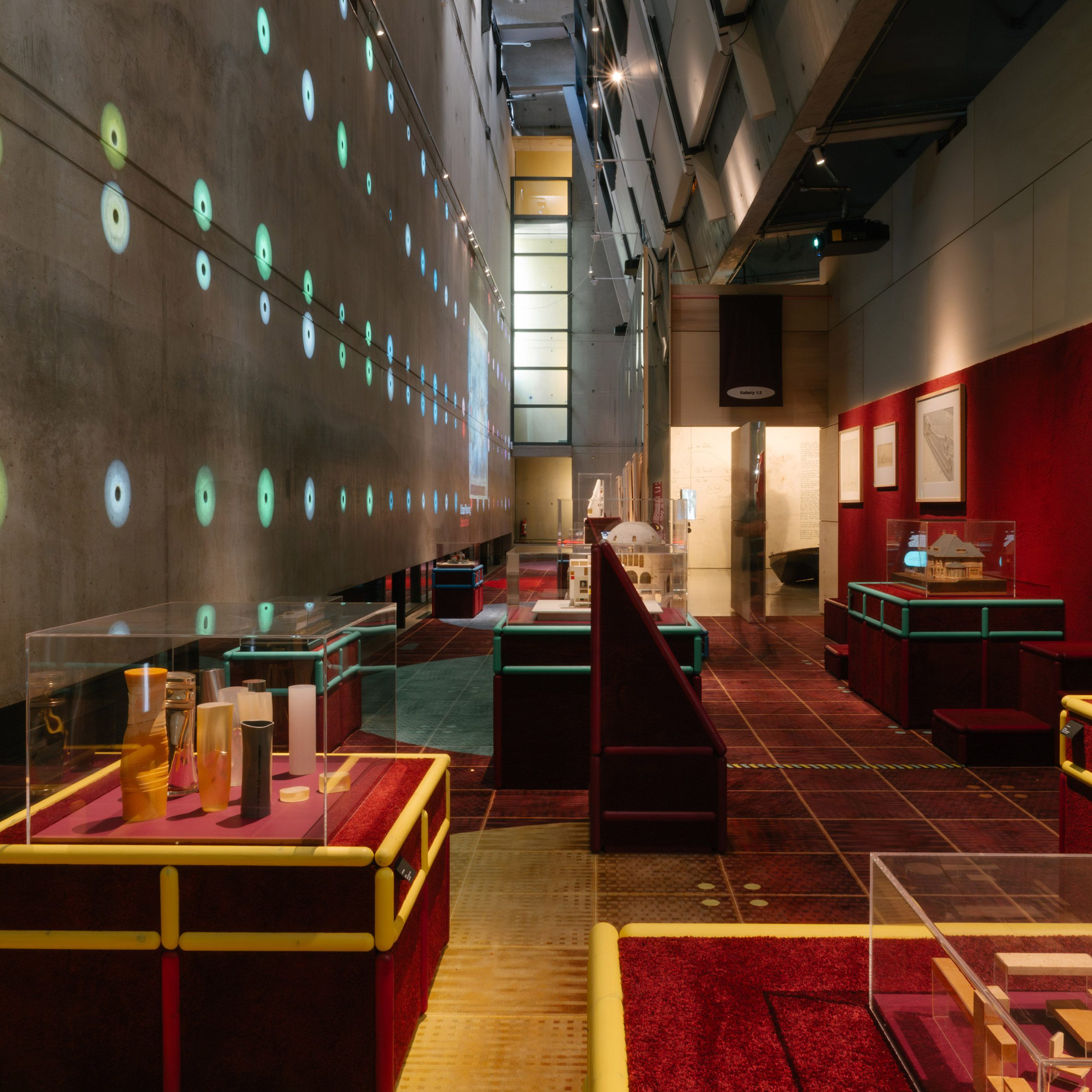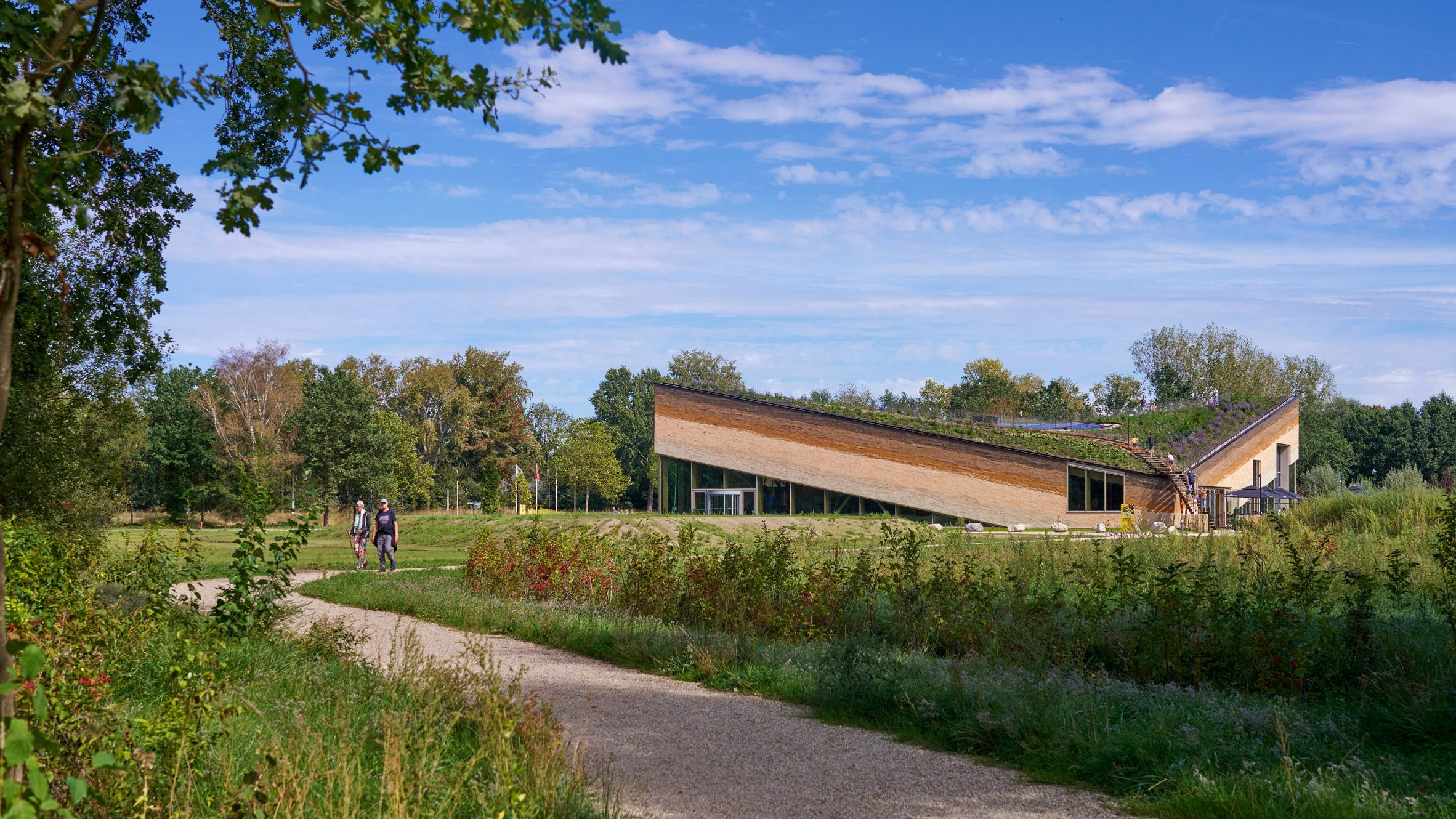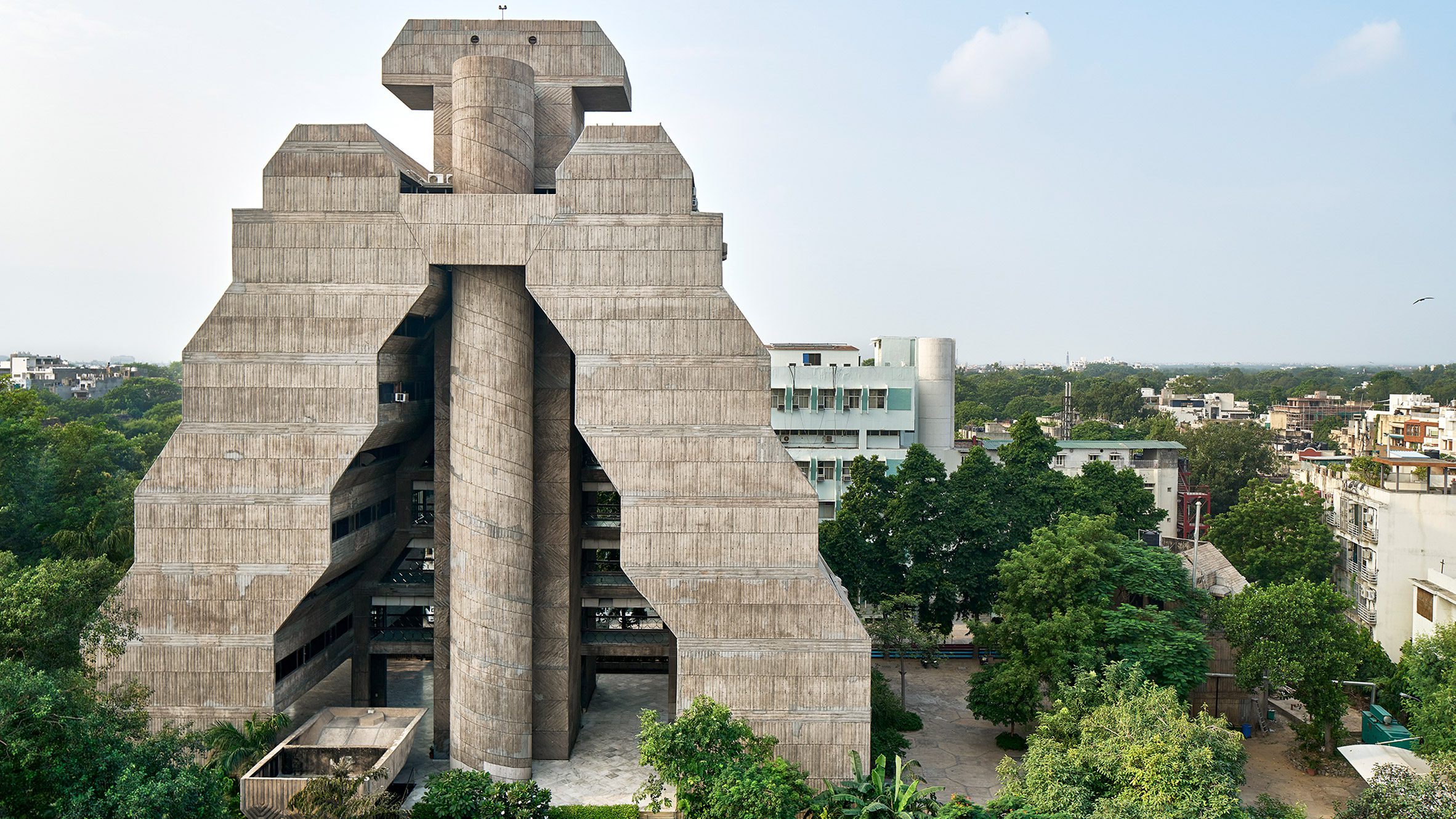
Brutalist architecture, often characterized by its raw concrete forms and imposing structures, has long been a subject of admiration and critique. In Asia, this architectural style has seen a diverse range of interpretations, as revealed in the new book Brutalist Asia, edited by Bob Pang and Derek Lamberton. The book explores 140 buildings across 28 countries, highlighting the region's unique contributions to the brutalist movement.
What Happened
Brutalist architecture, which gained popularity in the mid-20th century, is known for its stark, monolithic forms and use of raw materials. In Asia, this style has been adapted to local contexts and needs, resulting in a rich tapestry of architectural innovation. The recently released Brutalist Asia book, edited by Bob Pang and Derek Lamberton, showcases ten exemplary projects from the continent. These projects include the Inter-University Seminar House in Japan by Takamasa Yoshizaka, the Sacred Heart High School for Girls in Taiwan by Kenzo Tange, and the Dafineh Museum in Iran by Nezam Ameri, Kamal Kamooneh, and Hormozdyar Khosravi.
The book aims to illuminate the diverse ways in which Asian architects have embraced and redefined brutalism. It features contributions from notable architects who have left a lasting impact on the architectural landscape, such as Takamasa Yoshizaka, a key figure in importing modern architecture theory to Japan, and Kenzo Tange, whose work outside Japan includes the Sacred Heart Girls' High School in Taiwan.
What This Means for Your Business
For architecture, engineering, construction, and manufacturing (AECM) professionals, the insights from Brutalist Asia underscore the importance of understanding regional architectural influences and innovations. As global projects increasingly demand a nuanced understanding of local contexts, the ability to draw on a rich legacy of architectural styles can offer a competitive edge. Additionally, the book's exploration of how brutalist designs have been adapted to meet local needs provides valuable lessons in sustainable and context-sensitive design practices.
For businesses involved in international projects, the book serves as a reminder of the potential to incorporate diverse architectural elements that resonate with local culture and history. This approach not only enhances the aesthetic and functional value of a project but also aligns with sustainability goals by using materials and designs that are contextually appropriate.
What US Operators Should Watch
US operators in the AECM sectors should pay attention to the growing interest in brutalist architecture and its implications for design and construction practices. As brutalism experiences a resurgence in popularity, there may be opportunities to engage in projects that seek to blend modern and traditional elements. Furthermore, understanding the historical and cultural significance of brutalist architecture in Asia can inform future collaborations with Asian partners.
Key dates to watch include upcoming architectural conferences and exhibitions that may feature discussions on brutalism and its modern interpretations. These events offer opportunities for networking and gaining insights into emerging trends that could influence future projects.
Source: https://www.dezeen.com/2026/10/03/brutalist-asia-book-roundup/. Read the original story ->
Partner Insight · VisioneerIT
Understanding the principles of sustainable and context-sensitive design practices is crucial for modern architecture, especially in the context of brutalism's resurgence. VisioneerIT's expertise in digital modernization can help architecture firms integrate innovative software solutions to enhance their design processes.
Explore VisioneerIT Cybersecurity →
Is your firm ready for what’s next?
VisioneerIT helps AECM and government contractors modernize operations, achieve compliance, and implement AI.
Explore VisioneerIT Solutions →