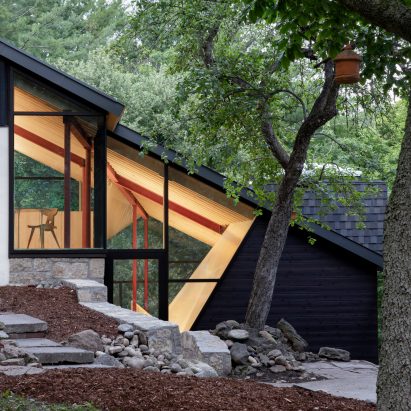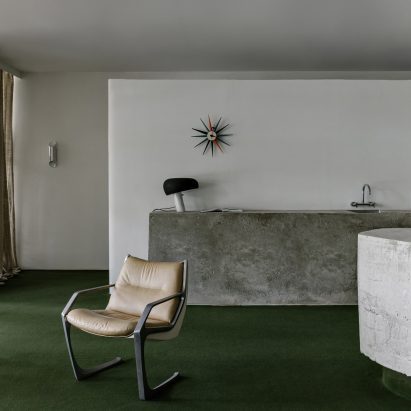
Architecture studio Debaixo do Bloco has transformed the iconic Bienal Pavilion in São Paulo, designed by Oscar Niemeyer, into a homage to the architectural and atmospheric splendor of Brasília. This artistic endeavor not only showcases the design prowess of Niemeyer but also demonstrates how architecture can narrate a city's story through innovative installations.
What Happened
Debaixo do Bloco Arquitetura, led by founder Clay Rodrigues, has created an installation within São Paulo's Bienal Pavilion that captures the essence of Brasília. The installation features a series of pilotis, curved surfaces, and continuous planes that are emblematic of Brasília's modernist architecture. These elements evoke the distinctive urban plan and architectural style that Niemeyer and urban planner Lúcio Costa originally envisioned for the Brazilian capital in the late 1950s. The pavilion, located in Ibirapuera Park, serves as an ideal backdrop for this installation, providing a modernist context and a historical connection to Niemeyer's architectural legacy.
What This Means for Your Business
For architecture, engineering, and construction management (AECM) professionals, this installation underscores the importance of integrating cultural and historical narratives into modern design projects. By drawing inspiration from Brasília's architectural vernacular, firms can enhance the cultural resonance and aesthetic appeal of their projects. This approach not only enriches the built environment but also positions firms as leaders in innovative design, potentially attracting new clients seeking projects that marry form and function with cultural significance.
Moreover, the installation highlights the potential for utilizing existing structures in new and creative ways. The Bienal Pavilion's transformation into a narrative space demonstrates how adaptive reuse and thoughtful design can breathe new life into historical buildings, offering a sustainable approach to architecture and urban development.
What US Operators Should Watch
US firms should monitor trends in adaptive reuse and narrative-driven design, as these are gaining traction globally. The success of installations like the one by Debaixo do Bloco may influence future projects and client expectations. Additionally, keeping abreast of global architectural movements can provide insights into emerging design trends that could be adapted to the US market.
As the demand for culturally significant and sustainable architecture grows, AECM professionals should consider how to incorporate these elements into their own practices. Opportunities may arise in federal and state-level projects that prioritize cultural preservation and sustainable development, particularly as cities seek to revitalize urban areas while maintaining their historical integrity.
Source: Dezeen. Read the original story ->
Is your firm ready for what’s next?
VisioneerIT helps AECM and government contractors modernize operations, achieve compliance, and implement AI.
Explore VisioneerIT Solutions →