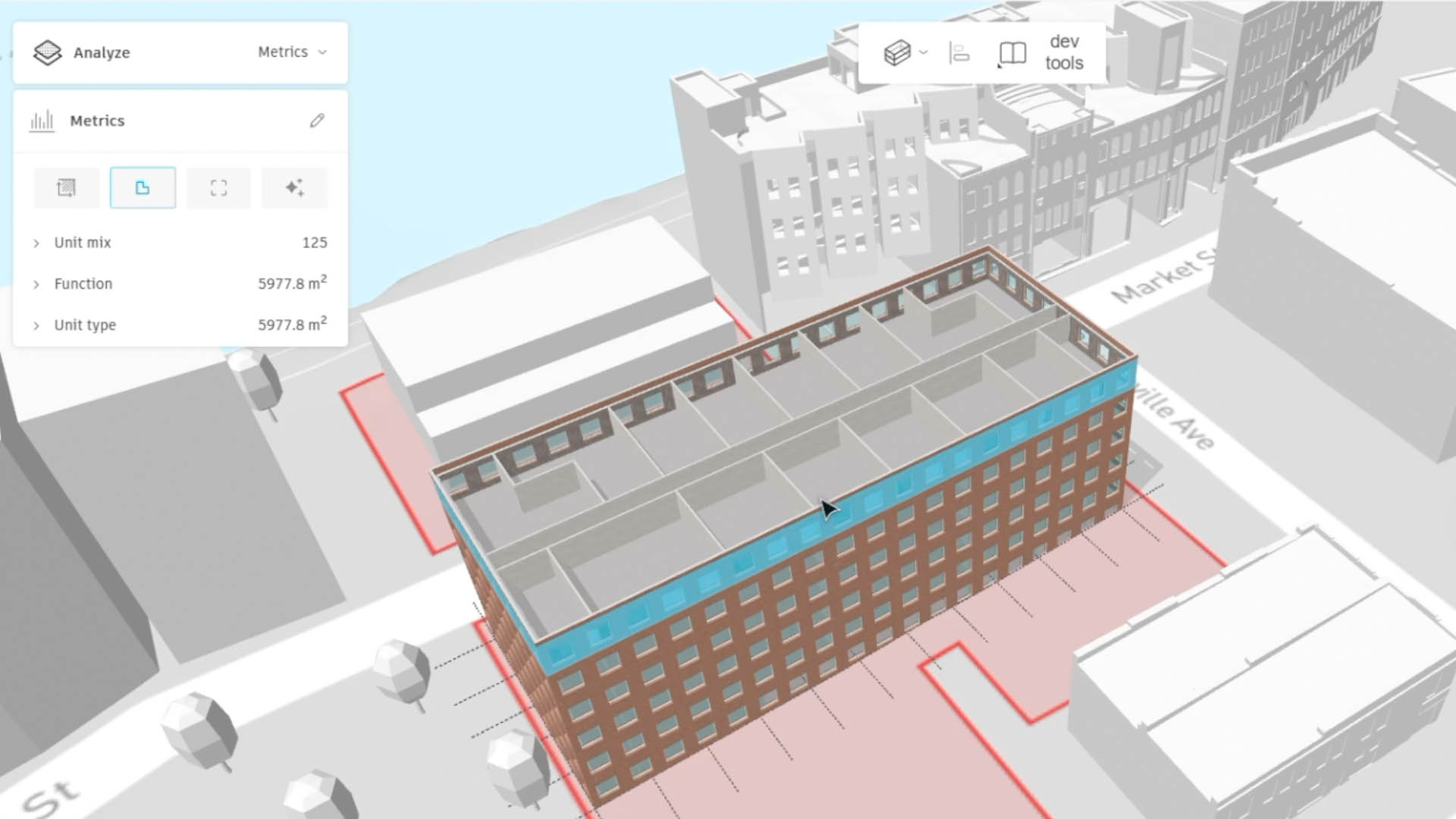
Autodesk has introduced neural CAD, a new category of 3D generative AI foundation models integrated into Fusion and Forma software. These models aim to automate 80 to 90% of typical design work by generating CAD geometry through language, sketches, or imagery inputs. Unlike general AI models, neural CAD is trained on professional design data, enabling detailed geometry reasoning and system-level design exploration. Mike Haley, Autodesk's senior VP of research, explained these models learn from synthetic and customer data, reflecting common design patterns and components.
Neural CAD for geometry allows Fusion users to produce manufacturing-ready CAD models efficiently. Neural CAD for buildings enables architects using Forma to quickly transition from early concepts to detailed layouts, automatically updating internal walls, columns, platforms, and structural elements. Autodesk also showcased Project Think Aloud, which uses speech and sketching inputs to build designs interactively in Forma. Additionally, Autodesk announced Forma Building Design, offering LOD 200/300 detail with AI-powered automation and integrated analysis.
For AECM professionals, neural CAD promises significant productivity gains by automating repetitive design tasks and enabling rapid iteration of complex building systems. This technology can reduce manual drafting time, improve design accuracy, and streamline workflows from concept to manufacturing. Customization options will allow firms to tailor neural CAD models to proprietary data and processes, enhancing competitive advantage.
Autodesk plans to expand neural CAD capabilities and customer customization options throughout 2025. Industry professionals should monitor upcoming releases and Autodesk University demonstrations for detailed insights and integration strategies.
Is your firm ready for what’s next?
VisioneerIT helps AECM and government contractors modernize operations, achieve compliance, and implement AI.
Explore VisioneerIT Solutions →