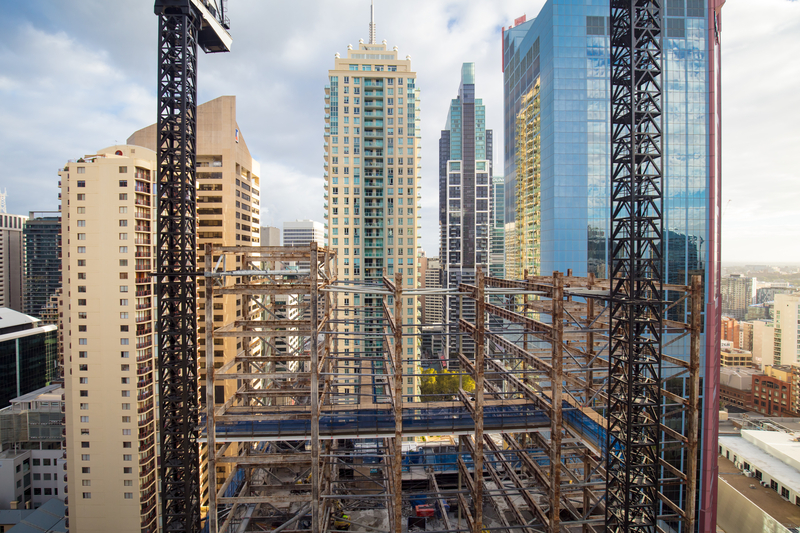
Australia's construction sector is grappling with significant market volatility, an issue that has stymied the country's ability to deliver housing effectively. According to a report by the Australian Housing and Urban Research Institute (AHURI), the volatility is particularly impacting the supply of both detached houses and high-rise apartment blocks. For US businesses in architecture, engineering, construction, and manufacturing (AECM), understanding these challenges and the proposed solutions could offer valuable insights into managing similar issues domestically.
What Happened
The AHURI report, developed with contributions from the Royal Melbourne Institute of Technology (RMIT) and other academic institutions, highlights that Australia's detached housing output has remained largely unchanged since the 1980s. In contrast, the sector shows flexibility in meeting high-rise residential demand. However, this flexibility comes at a cost when market demand drops, causing a loss of labor, skills, and process knowledge. The report suggests eight strategic interventions to stabilize the market. These include developing a national strategy for efficient housing supply, modernizing regulatory frameworks, attracting and retaining skilled employees through improved training systems, and supporting domestic manufacturing to reduce dependency on volatile global supply chains.
What This Means for Your Business
For US operators in the AECM sectors, the Australian experience underscores the importance of strategic planning and policy intervention to mitigate market volatility. The report's recommendations, such as harmonizing regulations and investing in workforce retention, align with ongoing US efforts to enhance compliance with standards like CMMC and NIST. Moreover, the emphasis on domestic manufacturing resonates with US initiatives to strengthen supply chains. Companies that prioritize financial resilience and invest in standardizing processes may find themselves better positioned to weather economic downturns, enhancing their competitive positioning and ROI.
What US Operators Should Watch
US decision-makers should monitor federal policy developments that may align with the AHURI report's recommendations. Regulatory changes, funding opportunities for construction training programs, and shifts in federal contracting practices could present windows for strategic adaptation. Additionally, keeping an eye on deadlines for compliance with evolving standards like Zero Trust and CMMC audits will be crucial. As the US grapples with its own market fluctuations, learning from Australia's approach to stabilizing private demand and promoting sustainable growth could provide a roadmap for future resilience.
Source: https://www.globalconstructionreview.com/how-to-solve-australias-volatile-and-fragmented-residential-building-sector/. Read the original story ->
Is your firm ready for what’s next?
VisioneerIT helps AECM and government contractors modernize operations, achieve compliance, and implement AI.
Explore VisioneerIT Solutions →