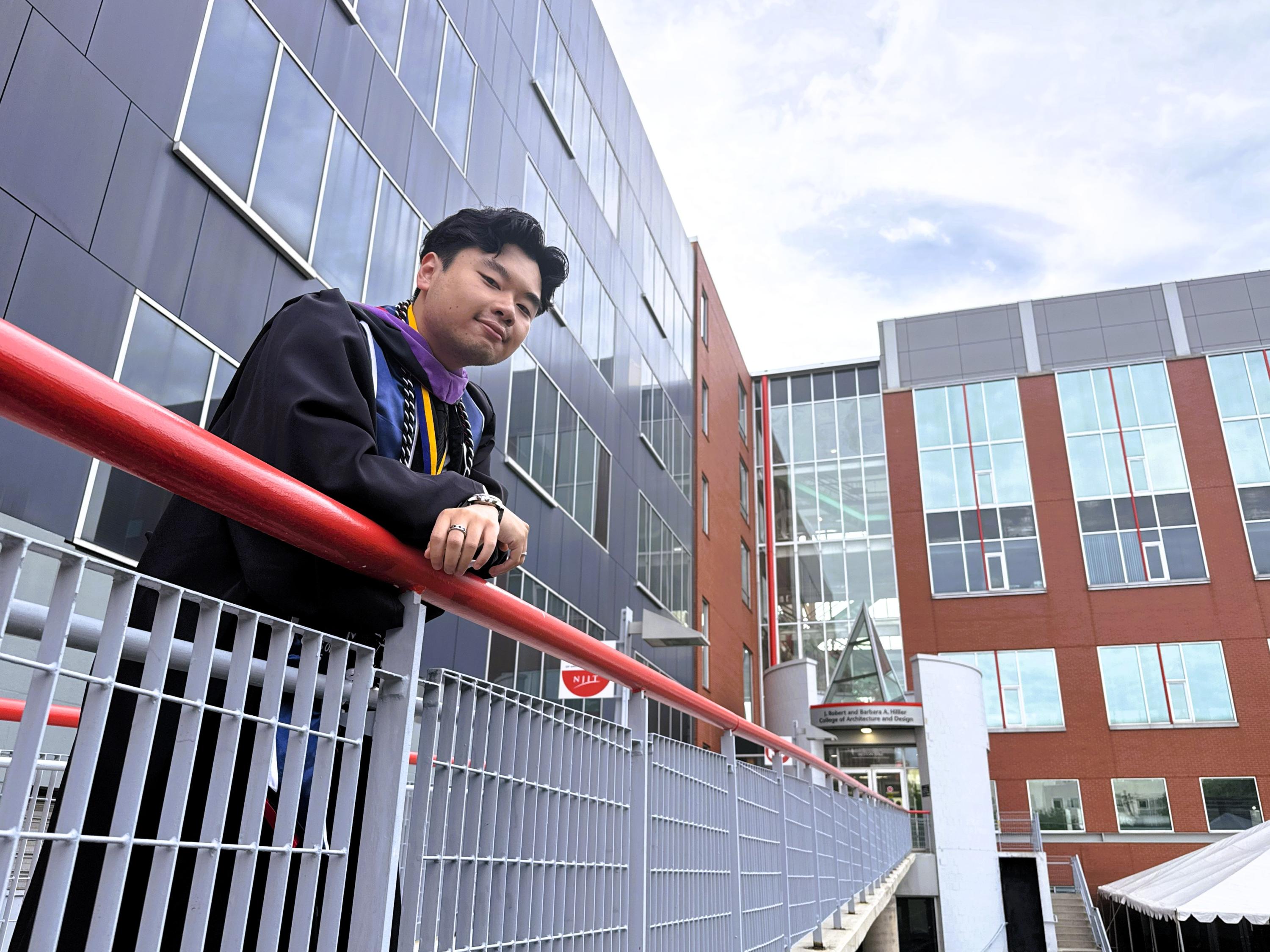
Austin Chen, a recent graduate from the New Jersey Institute of Technology (NJIT), is challenging conventional architectural paradigms by integrating sustainability at the core of building design. As the construction industry faces increasing pressure to address environmental concerns, Chen's approach offers a fresh perspective on how architecture can evolve to meet both aesthetic and ecological demands.
What Happened
Austin Chen, who graduated in 2026 from NJIT, has shifted his focus from traditional architecture to a more holistic view that emphasizes sustainability. His philosophy centers on evaluating the built environment by its form, function, performance, and its interaction with inhabitants. This approach aligns with the growing demand for sustainable practices in the construction and architectural sectors. Chen's work has caught the attention of institutions like Harvard, highlighting the rising importance of integrating environmental considerations into architectural education and practice.
What This Means for Your Business
Chen's innovative approach underscores a transformative trend within the architecture, engineering, and construction management (AECM) industries: the integration of sustainable design principles. With federal funding increasingly tied to green building initiatives, companies that adopt these principles can enhance their competitive edge. For businesses, this means investing in sustainable materials, energy-efficient technologies, and design strategies that reduce environmental impact. Additionally, aligning with sustainability can improve compliance with evolving regulations and standards, such as the Leadership in Energy and Environmental Design (LEED) certifications, which are becoming more relevant in federal and private sector contracts.
What US Operators Should Watch
As sustainability becomes a central theme in federal procurement and construction projects, US operators should monitor upcoming regulations and standards that may impact their operations. Key areas to watch include updates to the Energy Policy Act and the Environmental Protection Agency’s (EPA) guidelines on sustainable construction practices. Additionally, the push towards net-zero buildings will likely influence future bidding opportunities and compliance requirements, making it crucial for companies to stay informed and adapt quickly to these changes.
Source: [https://news.njit.edu/njit-harvard-austin-chen-designs-more-sustainable-future].
Is your firm ready for what’s next?
VisioneerIT helps AECM and government contractors modernize operations, achieve compliance, and implement AI.
Explore VisioneerIT Solutions →Tracking the right federal opportunities?
OryonIQ's AI platform monitors agency forecasts, contract awards, and procurement timelines — so government contractors always know what’s coming next.
Try OryonIQ Free →
