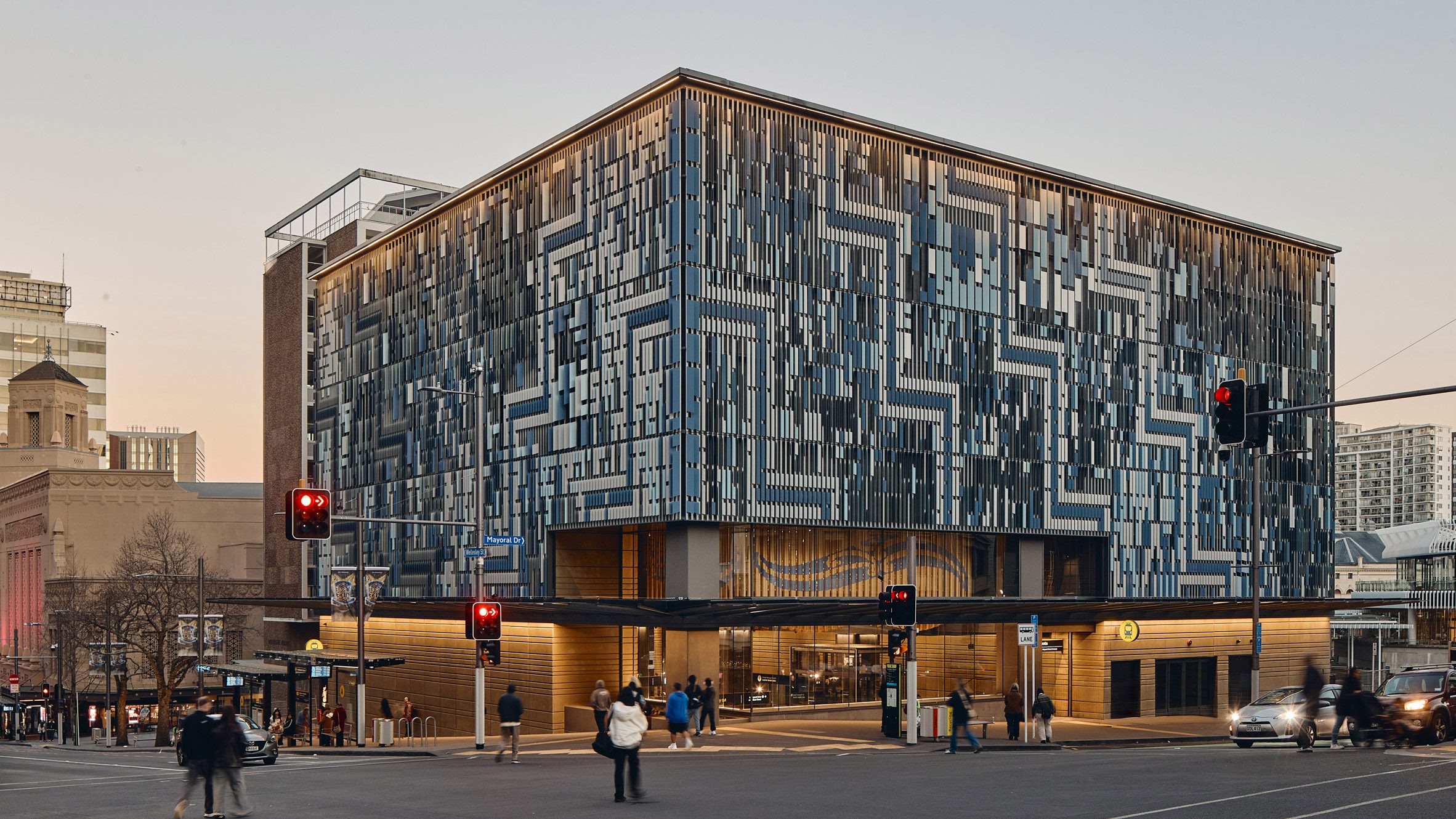
Architecture studio Grimshaw has unveiled three new stations for Auckland's City Rail Link, marking a significant milestone in New Zealand's largest transport infrastructure project. These stations, Te Waihorotiu, Karanga-a-Hape, and Maungawhau, are not only set to double the city's rail network capacity but also serve as a testament to the integration of Māori cultural values in modern architecture. This development, guided by the Te Aranga Māori Design Principles, reflects a profound collaboration with Mana Whenua, the Māori group with traditional authority over the land.
What Happened
Grimshaw's design for the Auckland City Rail Link stations represents a harmonious blend of traditional Māori narratives and contemporary architectural practice. The project, described as the largest of its kind in New Zealand, is a collaboration with Mana Whenua and is deeply rooted in the Te Aranga Māori Design Principles. These principles ensure that the stations not only serve their functional role but also embody cultural stories and values.
The design incorporates four key architectural elements—Sky, Earth, Threshold, and Fourth—to reflect Māori creation stories. For instance, Te Waihorotiu Station features a ceiling installation of over 4,000 golden anodised aluminium rods, symbolizing the movement of bulrush reeds. The materials and design elements across the stations connect with local geology and cultural symbols, like the glass triangles at Maungawhau Station that reference a volcanic mountain.
Each station integrates site-specific artworks commissioned by Mana Whenua, making them an intrinsic part of the station's architecture rather than mere decorative additions. Notable pieces include Graham Tipene's Horotiu ceiling installation and Reuben Kirkwood's snail-shell sculptures at Karanga-a-Hape Station.
What This Means for Your Business
For US AECM professionals, this project illustrates the growing importance of culturally responsive design in infrastructure projects. As global emphasis on diversity and cultural integration increases, firms that can demonstrate sensitivity and partnership with local communities may find themselves in a stronger competitive position for international projects. The integration of cultural narratives into functional design not only enhances community relations but can also lead to innovative design solutions that distinguish projects in a crowded marketplace.
Moreover, the use of advanced parametric design tools, as seen in the creation of distinct facade patterns for each station, highlights the role of technology in modern architecture. US firms should consider investing in similar tools to enhance their design capabilities and meet complex cultural and aesthetic requirements.
What US Operators Should Watch
US operators should monitor how the integration of cultural values into infrastructure projects impacts community acceptance and project success. This trend could influence upcoming federal and state-funded projects, potentially affecting procurement processes and compliance requirements. As international markets increasingly value cultural integration, US firms should prepare for potential changes in procurement criteria that prioritize culturally informed design.
Additionally, staying abreast of advancements in parametric design and other architectural technologies will be crucial for maintaining a competitive edge. Operators should also watch for opportunities to collaborate with indigenous groups and cultural experts, as these partnerships could enhance project outcomes and open doors to new markets.
Source: https://www.dezeen.com/2026/09/22/grimshaw-city-rail-link-stations-auckland/. Read the original story ->
Is your firm ready for what’s next?
VisioneerIT helps AECM and government contractors modernize operations, achieve compliance, and implement AI.
Explore VisioneerIT Solutions →