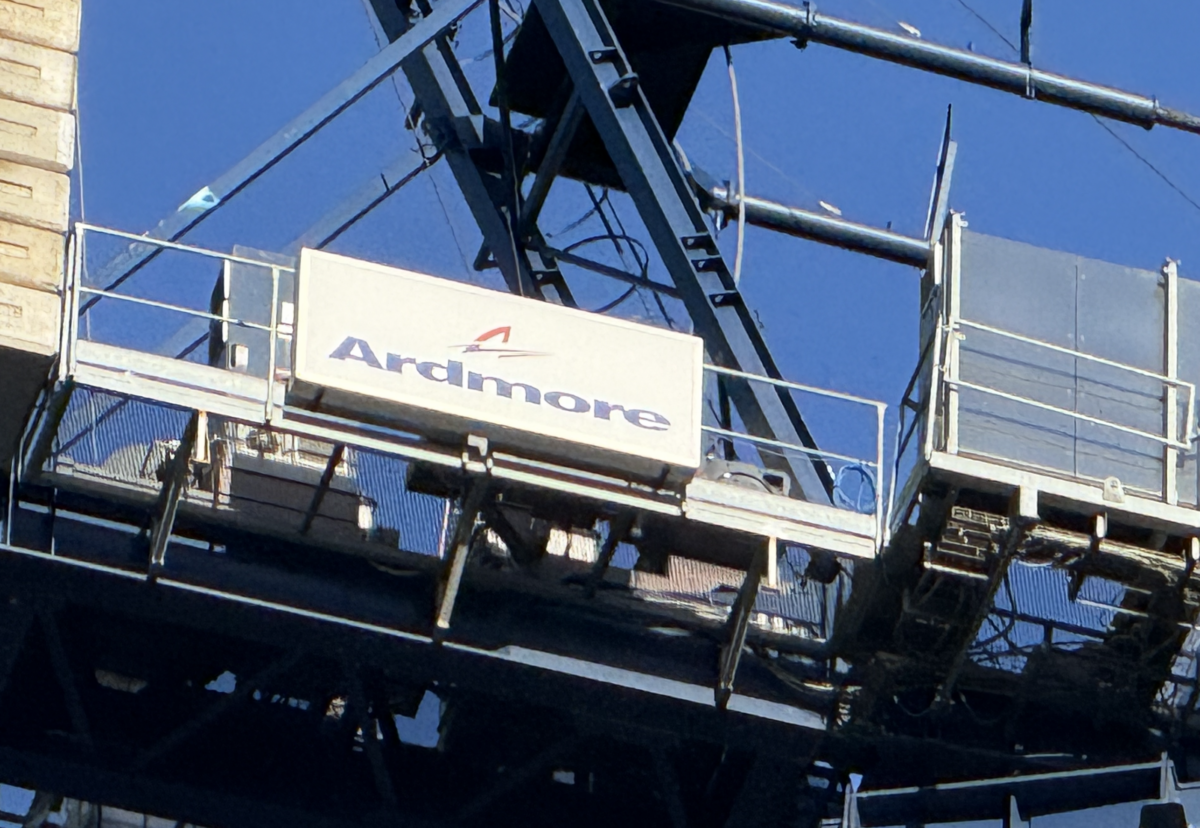
The recent approval of Ardmore's Company Voluntary Arrangement (CVA) plan offers a critical lifeline for the company amidst its financial turmoil. This development allows Ardmore to continue trading while systematically repaying creditors, following the collapse of its main contracting businesses in June. The approval is strategically significant as it also enables Ardmore's chairman, Cormac Byrne, to appeal a High Court Building Liability Order (BLO) ruling, which has far-reaching implications for the construction industry.
What Happened
The CVA approval, backed by major bonding providers, allows Ardmore Group Holdings and its associated companies, including Byrne Properties and Celebration Homes, to avoid immediate administration. Business recovery specialist BTG is managing the restructuring process, which aims to protect the group's remaining property interests. The challenge arises from a £14.9 million adjudication award won by Crest Nicholson against Ardmore Construction, now in administration. Subsequently, the High Court applied powers under the Building Safety Act, holding seven Ardmore companies jointly and severally liable for the sum. This ruling has opened the door for potential claims totaling up to £300 million against related entities.
What This Means for Your Business
The ramifications of the High Court's BLO ruling could be profound. It raises the specter of legacy building safety liabilities being pursued against solvent sister or parent companies, even if the original contractor has failed. This interpretation of BLO powers could expose major construction groups to historic claims, impacting their financial stability and competitive positioning. For businesses in the construction sector, especially those with extensive residential project portfolios, this case underscores the need for robust risk management and liability planning. The potential for widespread claims could also influence insurance premiums and bonding costs, affecting ROI for US operators engaged in international projects.
What US Operators Should Watch
US operators should closely monitor the outcome of Ardmore's appeal against the BLO ruling. The decision could set a precedent affecting how liabilities are apportioned across corporate groups in the construction industry. Additionally, staying informed about any changes or clarifications in the Building Safety Act will be crucial for compliance and risk assessment. Companies should also be vigilant about the timelines for any appeals or related legal proceedings that could impact their operations or expose them to similar liabilities.
Source: https://www.constructionenquirer.com/2026/09/04/creditors-back-ardmore-cva-rescue-plan/. Read the original story ->
Is your firm ready for what’s next?
VisioneerIT helps AECM and government contractors modernize operations, achieve compliance, and implement AI.
Explore VisioneerIT Solutions →