Arcol, led by CEO Paul O’Carroll, is making waves in the AEC industry with its novel approach to software solutions specifically designed for general contractors. This move aligns with a broader industry shift towards agentic workflows, challenging traditional BIM tools like Autodesk's Revit.
What Happened
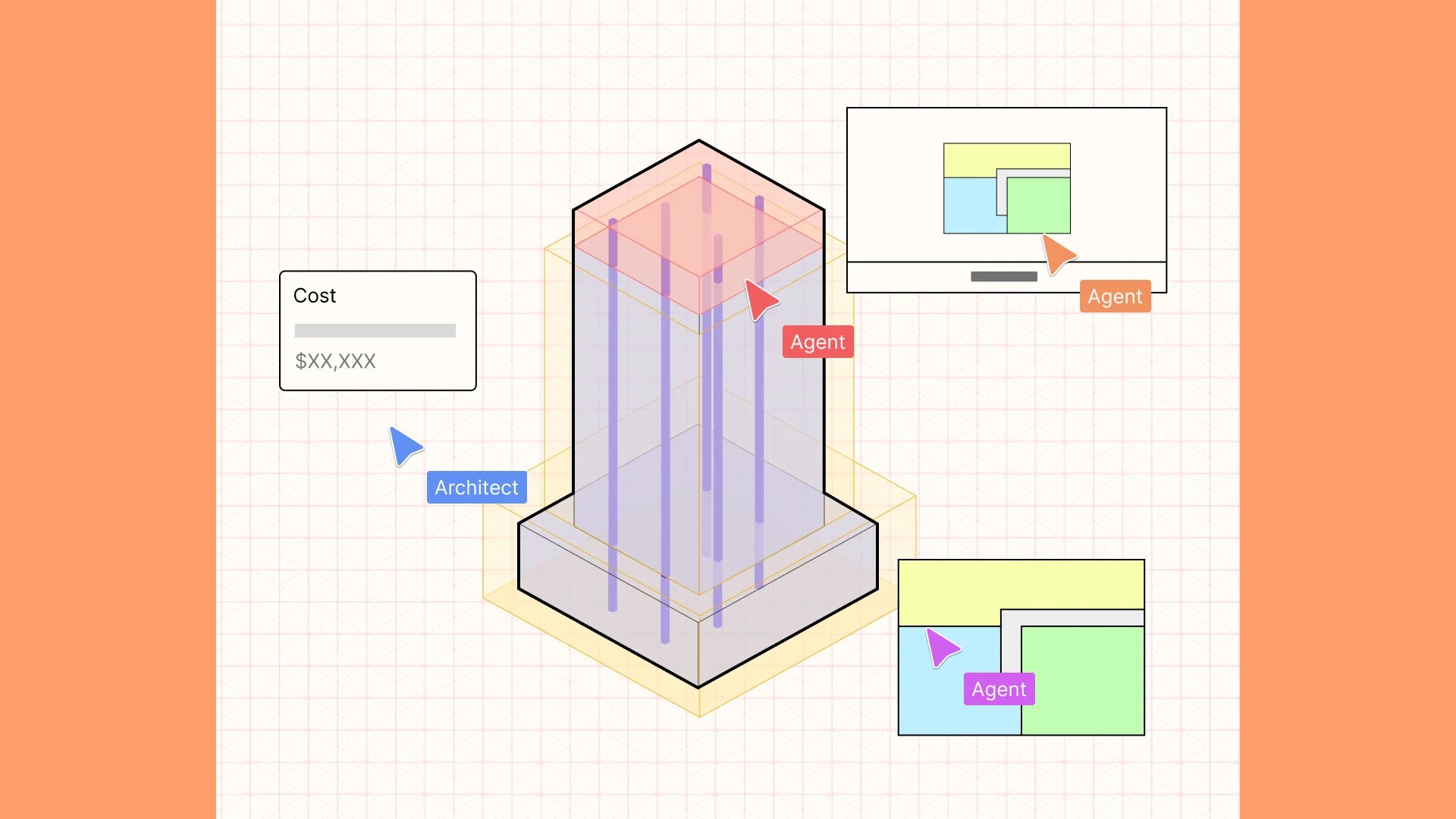
Arcol is positioning itself as a key player in the general contractor (GC) market with a software tool that integrates real-time collaboration and AI-driven agentic workflows. CEO Paul O’Carroll's vision involves a browser-based, real-time authoring tool that intuitively understands building concepts and construction timelines. This approach is supported by the company's advisors, including Procore founder Tooey Courtemanche, emphasizing its commitment to the GC sector. Arcol's strategy, rooted in pre-AI boom concepts, leverages the current technological infrastructure of large language models (LLMs) and agents to bring its original pitch to life.
The company is developing a collaborative environment where both human and AI agents can work simultaneously, a departure from the single-player model of traditional BIM tools like Revit. O’Carroll argues that Revit's limitations are not due to its file format or age, but rather its inability to seamlessly integrate design, take-off, and estimate processes.
Why It Matters for the AECM Industry
Arcol's approach directly addresses several pain points in the AEC industry. By fostering real-time collaboration and enabling AI agents to participate in the design process, Arcol promises to enhance efficiency and reduce project timelines. This could lead to significant cost savings and improved project outcomes. The integration of AI agents also introduces a new layer of intelligence that can optimize construction logistics, such as crane placement, based on real-time data and historical project insights.
For general contractors, this means access to more dynamic and responsive tools that can adapt to the complexities of modern construction projects. Arcol’s Consigliere model, which allows for customized costing agents like those from Turner Construction, further enhances its appeal by providing tailored solutions that leverage accumulated project histories.
What's Next
Arcol is currently focused on expanding its runtime capabilities and integrating AI agents into the concept and feasibility stages of construction projects. As the company moves downstream into schematic design, professionals should watch for further developments in its collaborative authoring environment. These innovations could redefine industry standards and challenge established players like Autodesk.
The AEC community should anticipate more announcements from Arcol regarding partnerships and further integration of AI tools. Keeping an eye on how these developments affect competitive dynamics and project execution strategies will be crucial for staying ahead in the rapidly evolving AEC landscape.
Is your firm ready for what’s next?
VisioneerIT helps AECM and government contractors modernize operations, achieve compliance, and implement AI.
Explore VisioneerIT Solutions →