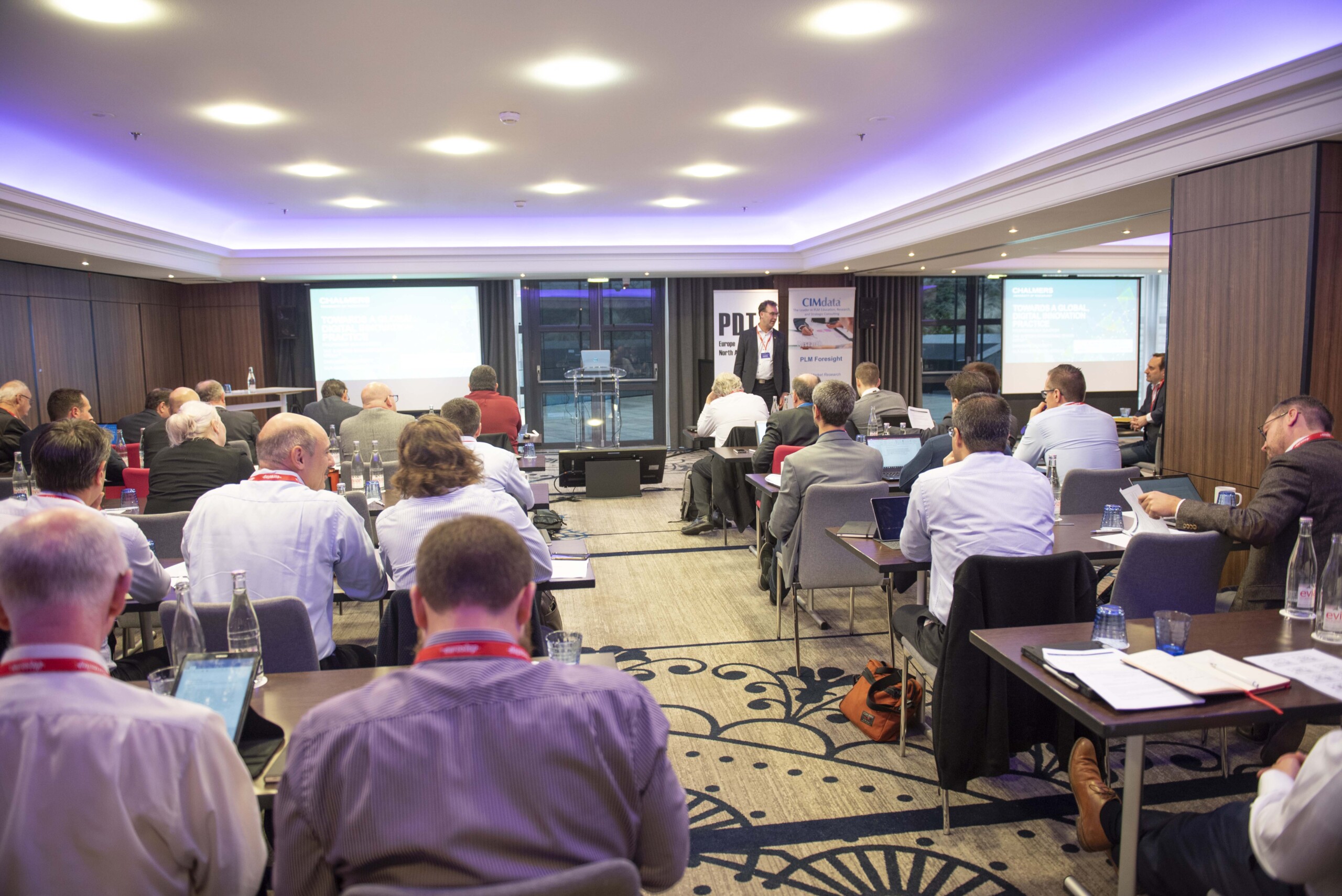
Jim Keller, a renowned figure in semiconductor engineering, has sparked a pivotal conversation in the AI landscape. His insights, shared at a recent EE Times event, emphasize that the future of AI infrastructure is not about scaling up processors but rather enhancing memory and communication capabilities. This perspective is crucial for AECM professionals as they navigate the evolving technological landscape.
What Happened
Jim Keller, currently at the helm of Tenstorrent, an AI hardware startup, highlighted the enduring relevance of foundational computing principles like Rent's Rule and Amdahl's Law. These principles suggest that as systems scale, communication and memory bandwidth become critical bottlenecks, rather than sheer processing power. Keller's remarks come at a time when AI applications are rapidly expanding across industries, necessitating a reevaluation of how infrastructure is developed and optimized.
Keller argues that the industry must focus on improving memory architectures and communication pathways to effectively handle the growing demands of AI workloads. This shift in focus is particularly timely as AI continues to permeate sectors such as manufacturing, where real-time data processing and decision-making are increasingly crucial.
What This Means for Your Business
For AECM professionals, Keller's insights signal a strategic shift in how AI infrastructure should be approached. Companies involved in manufacturing and engineering must consider investing in memory and communication enhancements rather than merely expanding processor capabilities. This strategic pivot could lead to more efficient AI systems, reducing operational costs and improving return on investment.
Moreover, firms should anticipate changes in procurement strategies as they adapt to these evolving technological demands. Those who align their operations with these insights could gain a competitive edge by offering faster, more efficient AI-powered solutions. This approach also dovetails with compliance requirements like CMMC and NIST, which emphasize robust data handling and security practices.
What US Operators Should Watch
US operators should closely monitor developments in AI hardware, particularly those focusing on memory and communication improvements. Staying informed about these advancements will be crucial as they could impact procurement decisions and regulatory compliance timelines. Additionally, keeping an eye on Tenstorrent's progress and potential IPO could offer insights into broader market trends and investment opportunities.
As the AI landscape evolves, staying ahead of these technological shifts will be essential for maintaining competitive positioning and ensuring compliance with federal guidelines.
Source: EE Times. Read the original story ->
Is your firm ready for what’s next?
VisioneerIT helps AECM and government contractors modernize operations, achieve compliance, and implement AI.
Explore VisioneerIT Solutions →