Artificial intelligence is redefining power requirements in data centers, challenging long-held assumptions about efficiency. As AI workloads, particularly those involving large GPU clusters, become more prevalent, the industry faces a critical need to pivot from designing systems for peak efficiency to achieving stable performance across fluctuating conditions. This shift is crucial not only for energy consumption but also for cooling, infrastructure costs, and scalability.
What Happened
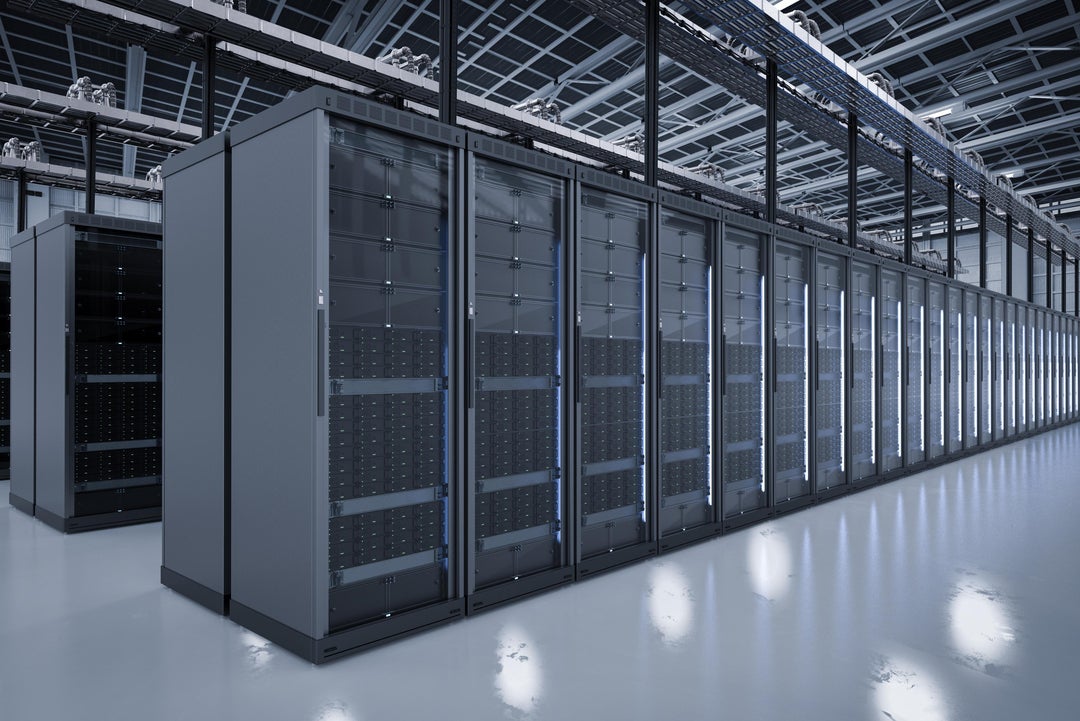
AI technologies are driving unprecedented changes in data center power demands. Traditional systems, optimized for steady workloads like enterprise applications and web hosting, are no longer adequate. The deployment of extensive GPU clusters, such as NVIDIA's 72-GPU Vera Rubin model, has increased rack power densities from tens to hundreds of kilowatts, with future designs potentially exceeding one megawatt per rack. This shift is due to the nature of AI workloads, which involve rapid, synchronized bursts of computation, causing power demand to fluctuate dramatically across data centers.
Historically, data centers were designed around peak efficiency, where systems perform optimally under ideal conditions. However, AI's unpredictable utilization patterns mean that systems rarely operate at a single, steady-state condition, spending more time at partial loads. This makes peak efficiency an unreliable benchmark for real-world performance, prompting a reevaluation of power system design.
What This Means for Your Business
For AECM professionals and government contractors, this evolution in data center design has several implications. First, there's a growing need to invest in power systems that can handle dynamic loads efficiently. This may involve adopting new technologies in power conversion, distribution, and cooling that can adapt to rapid demand changes.
Compliance requirements are also evolving. As data centers integrate AI, adherence to standards such as the Cybersecurity Maturity Model Certification (CMMC) and National Institute of Standards and Technology (NIST) guidelines becomes more complex. These standards might soon incorporate considerations for AI-driven power demands, requiring companies to update their compliance strategies.
Furthermore, there are opportunities for federal funding and contracts aimed at modernizing data center infrastructure to support AI workloads. Companies that can demonstrate innovative approaches to managing fluctuating power demands may gain a competitive edge in securing these contracts.
What US Operators Should Watch
Operators should closely monitor developments in AI workload management technologies and their integration into data centers. Keeping abreast of new power system designs that prioritize flat performance over peak efficiency will be crucial.
Additionally, watch for updates in compliance standards related to AI and data center operations. As regulatory bodies adapt to these new demands, staying informed will be key to maintaining compliance and leveraging funding opportunities.
Lastly, keep an eye on procurement windows for government contracts focused on data center modernization. The ability to quickly adapt to these opportunities will be a significant advantage.
Source: Power Magazine. Read the original story ->
Partner Insight · VisioneerIT
As data centers evolve to accommodate AI workloads, understanding federal compliance standards and securing government contracts becomes increasingly important for AECM professionals. VisioneerIT provides the necessary support to navigate these complexities and enhance your chances of success in the federal market.
Explore VisioneerIT Cybersecurity →
Is your firm ready for what’s next?
VisioneerIT helps AECM and government contractors modernize operations, achieve compliance, and implement AI.
Explore VisioneerIT Solutions →