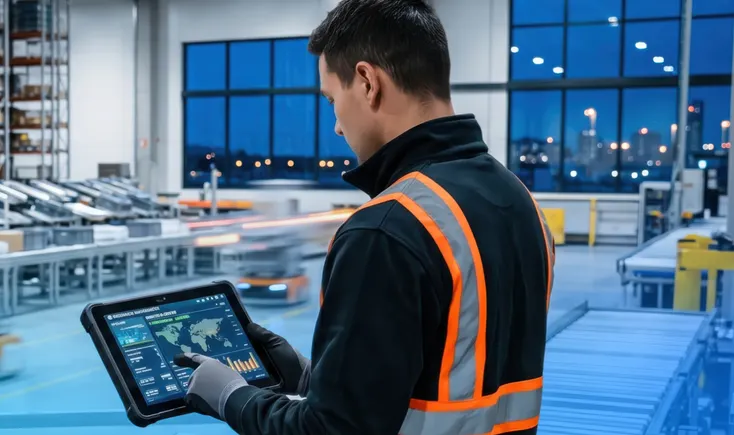
AI's rapid integration into manufacturing is outpacing traditional security measures, creating new vulnerabilities that demand immediate attention. As AI-driven processes like predictive maintenance and autonomous inspections become commonplace, the risk of cyberattacks on manufacturing infrastructure becomes a critical concern. This development is particularly pressing as manufacturers increasingly rely on IT and operational technology (OT) convergence, broadening the potential attack surface.
What Happened
AI technologies are revolutionizing manufacturing operations with unprecedented speed, bringing significant improvements in efficiency and productivity. However, this transformation is not without risks. The convergence of IT and OT systems, essential for AI applications, has inadvertently created new security challenges. The integration of AI workloads requires these systems to interact seamlessly, yet this very interaction is exposing vulnerabilities that malicious actors are quick to exploit. A breach in these systems can lead to production halts, safety hazards, and costly downtimes.
The traditional approach to manufacturing security, which involved periodic upgrades and isolated IT and OT security protocols, is no longer sufficient. As highlighted during Cybersecurity Awareness Month, the advent of frontier AI models capable of autonomously discovering and exploiting vulnerabilities underscores the urgent need for a new security paradigm. The industry's current fragmented approach, with disconnected security systems, leaves manufacturers vulnerable to attacks that can disrupt operations and threaten safety.
What This Means for Your Business
For AECM professionals and government contractors involved in manufacturing, these developments underscore the need to rethink security strategies. The imperative now is for a full-stack security approach that integrates protection into every layer of the manufacturing infrastructure, from data centers to plant floors. This strategy involves continuous evaluation and modernization of aging assets, ensuring that security measures evolve in tandem with technological advancements.
Manufacturers must prioritize the development of a resilient infrastructure foundation that supports real-time, multifaceted security defenses. This includes adopting a proactive stance on security, where infrastructure is continuously hardened and defended at machine speed. Organizations that fail to modernize their security approach risk facing significant production disruptions and financial losses.
What US Operators Should Watch
Manufacturing leaders should closely monitor developments in AI security standards and regulatory requirements, particularly those affecting IT and OT system integration. Staying informed about federal cybersecurity guidelines and potential funding opportunities for security enhancements will be crucial. Additionally, manufacturers should prepare for potential CMMC audit requirements and ensure compliance with evolving security protocols to maintain competitive positioning in the market.
For those in the AECM and defense industrial base, the focus should be on leveraging federal funding opportunities to upgrade infrastructure and implement comprehensive security measures. As the landscape of AI in manufacturing continues to evolve, staying ahead of these changes will be key to maintaining operational integrity and achieving business objectives.
Source: [Manufacturing Dive]. Read the original story ->
Is your firm ready for what’s next?
VisioneerIT helps AECM and government contractors modernize operations, achieve compliance, and implement AI.
Explore VisioneerIT Solutions →