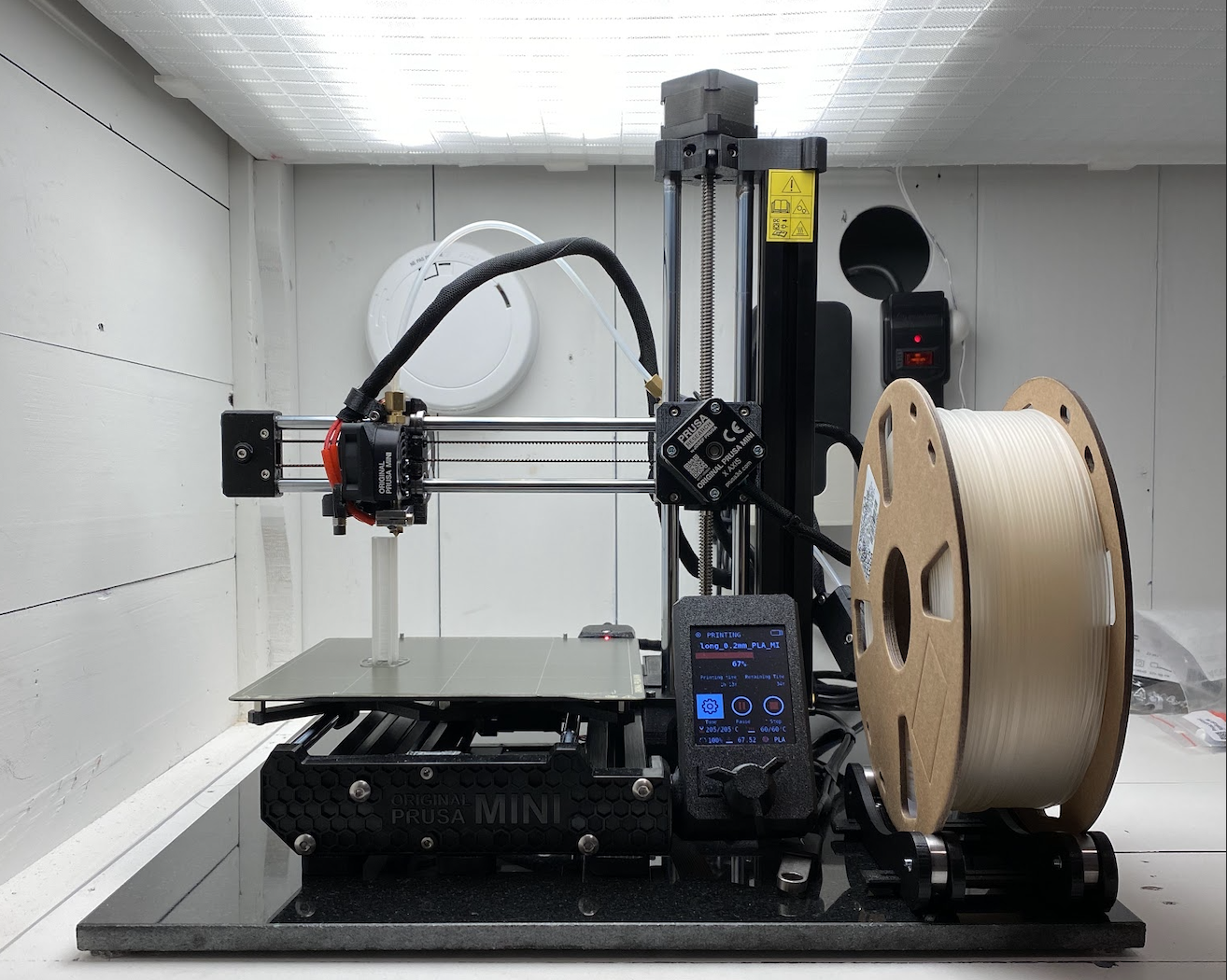
3D printing, or additive manufacturing, has long promised revolutionary changes in production speed and customization. However, a paradox exists: while the technology can rapidly prototype and produce complex parts, it often encounters significant bottlenecks in scaling up for mass production. This paradox is now at the forefront of discussions as the industry explores the potential of artificial intelligence (AI) to mitigate these challenges.
What Happened
Recent analyses have highlighted that the speed of 3D printing, despite its advancements, is hampered by several factors. These include the time-consuming nature of some printing processes, post-processing requirements, and the limitations of current materials. The article "The Speed Paradox in 3D Printing" from Engineering.com delves into how these issues create bottlenecks that prevent additive manufacturing from reaching its full potential in mass production.
AI and machine learning are emerging as potential solutions to these bottlenecks. By optimizing print paths, predicting maintenance needs, and improving material performance, AI could significantly enhance the efficiency of 3D printing processes. The integration of AI into additive manufacturing systems is seen as a critical step towards achieving faster production speeds and reducing costs.
What This Means for Your Business
For businesses in the architecture, engineering, construction, and manufacturing (AECM) sectors, the implications are profound. The ability to harness AI in 3D printing could lead to substantial improvements in production timelines and cost efficiency. Companies that invest early in AI-driven 3D printing technologies may gain a competitive edge by reducing lead times and offering more customizable solutions to clients.
Moreover, AI can help streamline compliance with industry standards and regulations, such as those set by the National Institute of Standards and Technology (NIST) and the Cybersecurity Maturity Model Certification (CMMC). By automating quality checks and ensuring adherence to safety protocols, AI can enhance the reliability and compliance of 3D printed products.
What US Operators Should Watch
U.S. operators should closely monitor advancements in AI applications within 3D printing. Key timelines include developments in AI algorithms specifically designed for additive manufacturing, as well as upcoming procurement opportunities for AI-enhanced 3D printers. Staying informed about federal funding initiatives supporting AI integration can also provide financial advantages.
Additionally, operators should be aware of any regulatory changes that may impact the adoption of AI in 3D printing. Keeping an eye on compliance requirements, such as CMMC audits and updates to NIST standards, will be crucial for maintaining a competitive and compliant operation.
Source: https://www.engineering.com/the-speed-paradox-in-3d-printing/. Read the original story ->
Is your firm ready for what’s next?
VisioneerIT helps AECM and government contractors modernize operations, achieve compliance, and implement AI.
Explore VisioneerIT Solutions →


