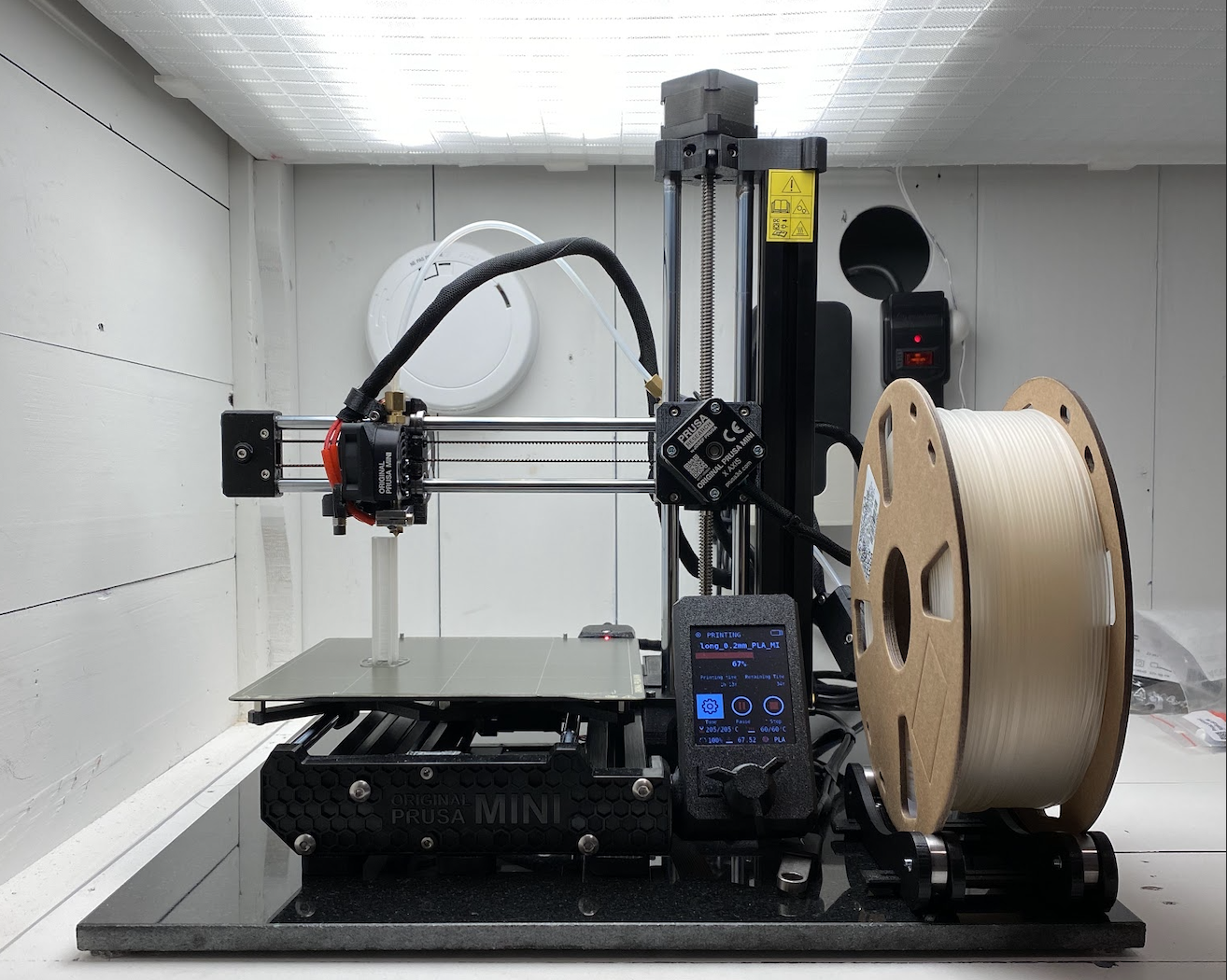
AI and robotics are reshaping automation in 2026, responding to evolving supply chains.
What Happened
Automation is undergoing a transformative phase in 2026, driven by advancements in AI, machine vision, and collaborative robotics. These technologies are adapting to meet the demands of changing supply chains, providing enhanced efficiency and flexibility in manufacturing and construction sectors. As industries grapple with global supply chain disruptions, the adoption of smarter automation solutions becomes critical. The integration of AI allows for real-time data processing and decision-making, while machine vision enhances quality control processes. Collaborative robots, or cobots, are becoming more prevalent, working alongside human operators to optimize workflows and increase productivity.
What This Means for Your Business
For businesses in architecture, engineering, construction, and manufacturing, the shift towards smarter automation presents both opportunities and challenges. Companies must invest in upgrading their technology infrastructure to incorporate AI and robotics, which could lead to significant cost savings and improved operational efficiency. However, the initial investment and the need for skilled personnel to manage these technologies can be substantial. Compliance with emerging standards, such as the Cybersecurity Maturity Model Certification (CMMC) for defense contractors, becomes essential as automation systems become more interconnected. Additionally, businesses can leverage federal funding opportunities aimed at fostering innovation in AI and robotics.
What US Operators Should Watch
US operators should closely monitor federal procurement windows and funding initiatives related to automation technologies. Staying informed about regulation timelines, such as CMMC audit dates, is crucial for maintaining compliance. Companies should also be aware of bid opportunities for government contracts that prioritize the use of advanced automation technologies. The competitive landscape will be shaped by those who can swiftly adapt to these technological advancements and integrate them into their operations effectively.
Source: https://www.engineering.com/five-trends-in-automation-for-the-second-half-of-2026/. Read the original story ->
Partner Insight · VisioneerIT
As businesses in the AECM sectors adopt smarter automation solutions, compliance with federal standards like CMMC becomes increasingly important. VisioneerIT can assist companies in navigating the complexities of federal contracts and ensuring compliance with necessary regulations.
Explore VisioneerIT Cybersecurity →
Is your firm ready for what’s next?
VisioneerIT helps AECM and government contractors modernize operations, achieve compliance, and implement AI.
Explore VisioneerIT Solutions →