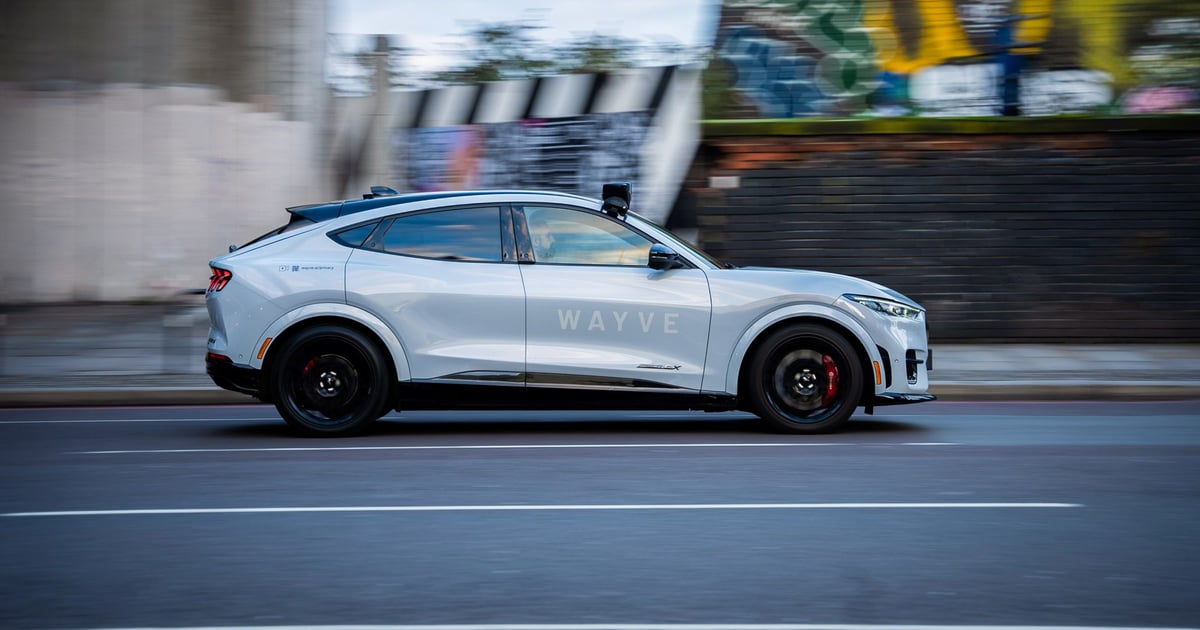
Uber and Wayve are set to launch London’s first AI-driven robotaxis, marking a significant milestone in autonomous vehicle technology. This collaboration could redefine urban mobility and has broad implications for the AECM sector, particularly in urban infrastructure and smart city initiatives.
What Happened
Uber, the global ride-hailing giant, and Wayve, a leading autonomous driving technology company, announced their partnership to introduce AI-powered robotaxis in London. The deployment will leverage Wayve's cutting-edge machine learning systems to navigate complex urban environments. This initiative represents a pivotal step in integrating AI into public transportation, offering a glimpse into the future of urban mobility. The collaboration aims to enhance safety, efficiency, and accessibility in city transport networks, potentially setting a precedent for similar projects worldwide.
What This Means for Your Business
For AECM professionals, the introduction of AI robotaxis symbolizes a transformative shift that could influence urban planning, infrastructure design, and construction projects. As cities adapt to accommodate autonomous vehicles, there will be increased demand for smart infrastructure, including advanced traffic management systems and AI-compatible road networks. Companies involved in urban development should consider the implications of autonomous vehicles on future projects, from road design to parking solutions. Moreover, this development could spur investment in AI and machine learning technologies across the construction and engineering sectors, offering new avenues for growth and innovation.
What US Operators Should Watch
US operators should closely monitor regulatory developments and technological advances in the autonomous vehicle space. The success of Uber and Wayve's initiative in London could accelerate similar projects in major US cities, influencing local infrastructure requirements and regulatory frameworks. Keeping abreast of federal guidelines and potential funding opportunities for smart transportation projects will be crucial. Additionally, businesses should prepare for potential shifts in workforce dynamics, as automation could impact traditional roles in transportation and logistics.
Source: https://aibusiness.com/generative-ai/uber-and-wayve-launch-london-s-first-ai-robotaxis
Is your firm ready for what’s next?
VisioneerIT helps AECM and government contractors modernize operations, achieve compliance, and implement AI.
Explore VisioneerIT Solutions →