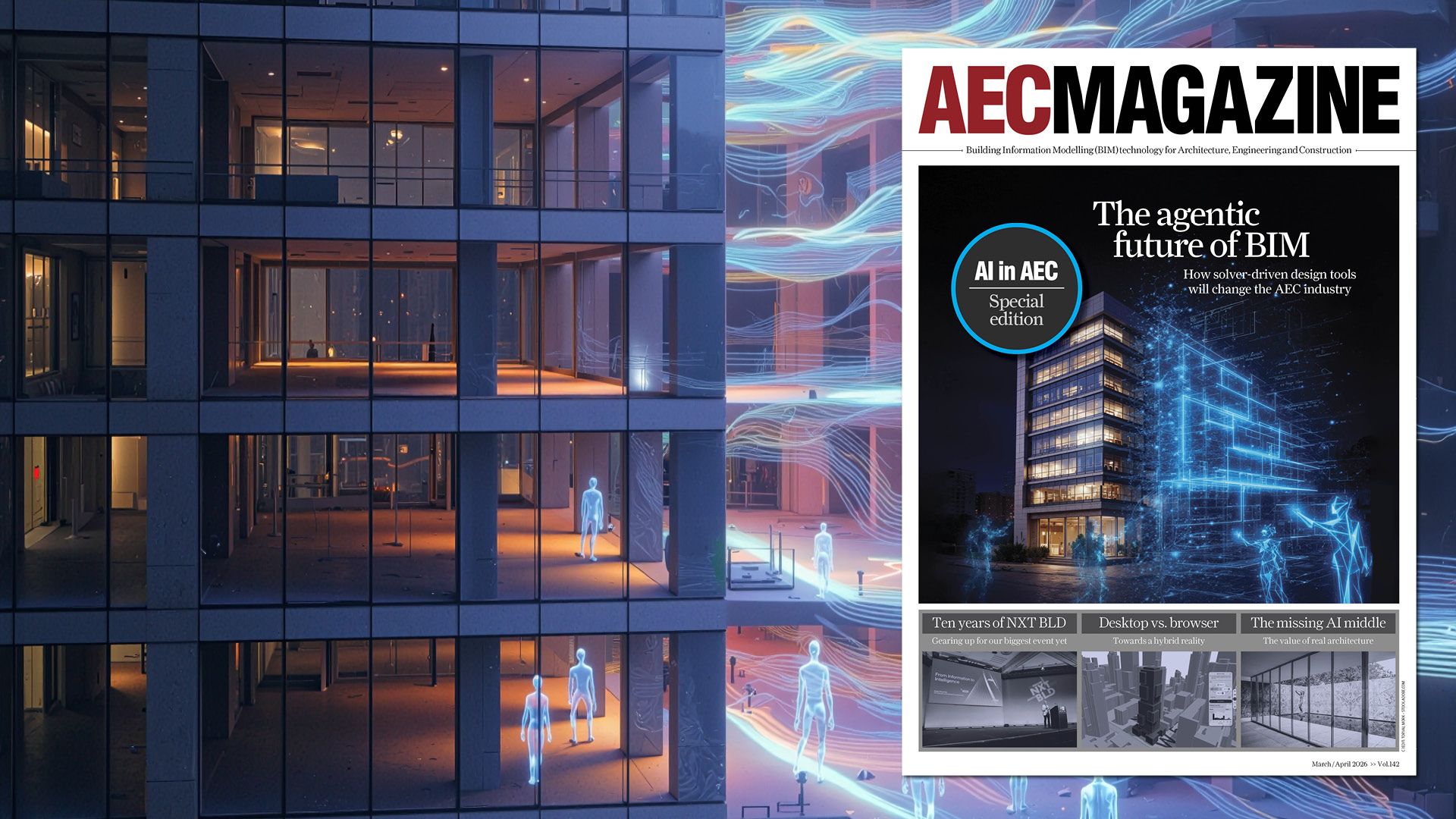
The latest edition of AEC Magazine highlights a transformative shift in the Architecture, Engineering, and Construction (AEC) industry with the rise of agentic Building Information Modeling (BIM). This new wave of AI integration promises to transform BIM into a dynamic, intelligent decision-making hub, potentially reshaping the industry landscape within the next five years.
What Happened
AEC Magazine's March/April 2026 issue explores the burgeoning role of artificial intelligence in the AEC sector, particularly focusing on the concept of agentic BIM. Unlike traditional BIM systems, which primarily serve as static repositories of building data, agentic BIM leverages AI to enable solver-driven design tools. This transition could facilitate real-time, data-driven decision-making processes, enhancing the efficiency and effectiveness of building design and construction phases. The magazine also discusses AI's potential to consolidate AEC firms and elevate the role of full-stack designers, thereby transforming industry practices.
Why It Matters for the AECM Industry
The integration of AI into BIM systems presents significant implications for cost, labor, and project timelines within the AEC industry. By collapsing data latency and compressing cognitive processes, AI-driven BIM could drastically reduce project delivery times and costs. For project managers and engineers, this means more efficient workflows and the potential for reduced labor costs. Additionally, AI's ability to orchestrate design agents around a live 'Building State' could lead to more innovative and sustainable building solutions, aligning with the industry's growing emphasis on sustainability and intelligent design practices.
What's Next
As the AEC industry stands on the brink of an AI-driven transformation, professionals should closely monitor the development of agentic BIM technologies. Key milestones to watch include advancements in solver-driven design tools and their integration into existing BIM systems. Industry professionals should also stay informed about upcoming policy changes and standardization efforts that may arise in response to these technological advancements. Engaging with platforms like NXT BLD 2026, which focuses on design automation and data-driven approaches, will be crucial for staying ahead in this rapidly evolving field.
Is your firm ready for what’s next?
VisioneerIT helps AECM and government contractors modernize operations, achieve compliance, and implement AI.
Explore VisioneerIT Solutions →