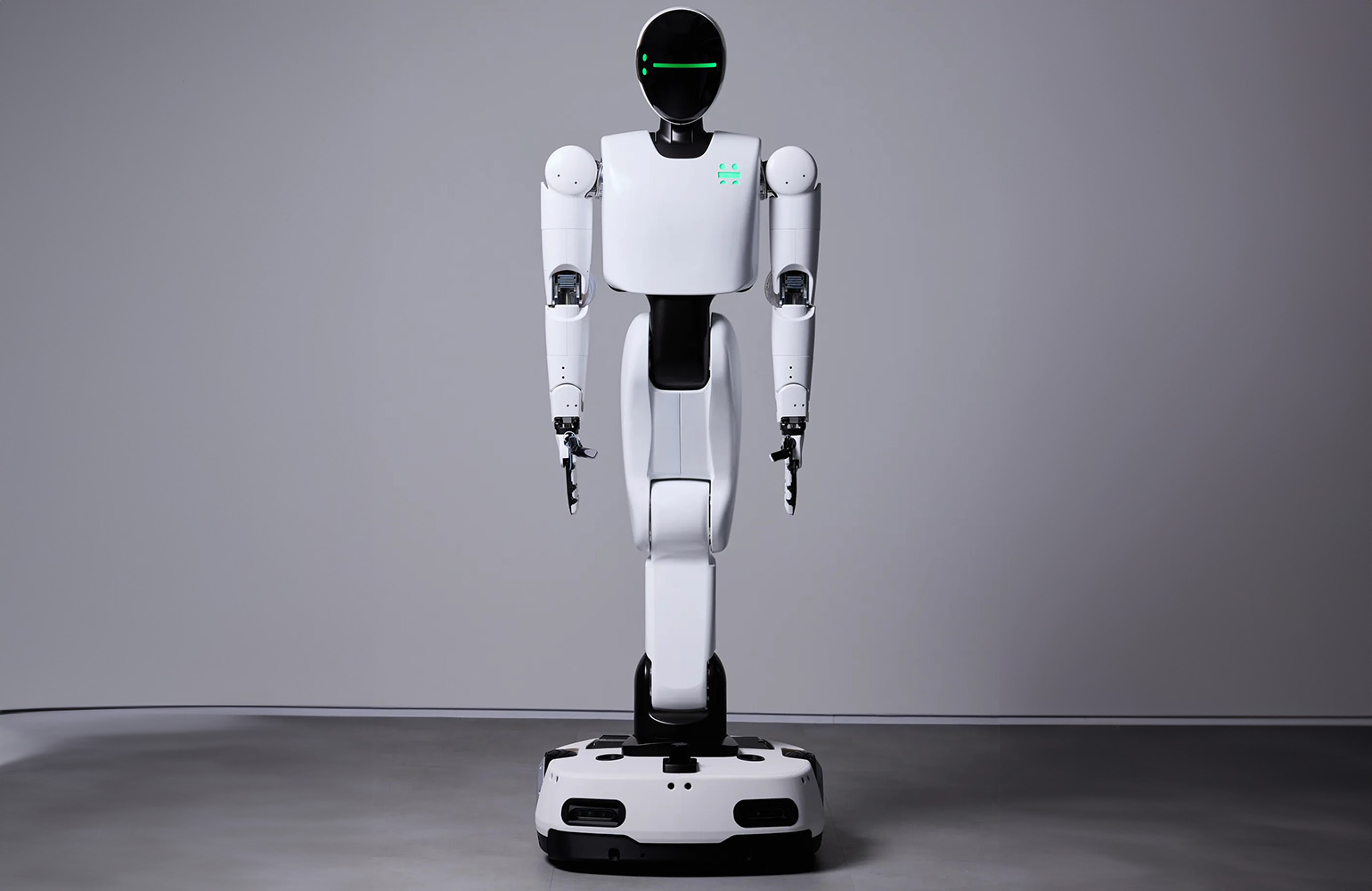
1872, a pioneering startup in AI-native manufacturing, has launched an autonomous steel fabrication facility in Cincinnati, marking a significant advancement in the U.S. manufacturing landscape. This development, backed by a $15 million seed funding round, positions 1872 at the forefront of transforming traditional steel fabrication processes.
What Happened
The new facility, located in Cincinnati's historic Camp Washington neighborhood, integrates advanced automation technologies with proprietary AI software to revolutionize steel fabrication. Founded by former SpaceX engineers, 1872 leverages its Factory OS platform to manage the entire production lifecycle—from materials sourcing to managing complex robotics operations. The startup collaborates with Ohio-based Path Robotics, utilizing their Obsidian physical AI model for adaptive welding. This cutting-edge technology aims to drastically reduce lead times for steel products, which traditionally take months or even years, down to just weeks.
This factory represents a prototype for future facilities, combining Ohio's rich industrial heritage with modern technological innovations. The strategic choice of Ohio was influenced by the availability of a skilled labor force and proximity to leading engineering institutions such as the University of Cincinnati and Ohio State University. The U.S. fabricated metal products market, valued at approximately $350 billion annually, faces a projected shortfall of 320,000 welders by 2030, according to the American Welding Society, highlighting the urgent need for such innovations.
What This Means for Your Business
For businesses in AECM and government contracting, 1872's innovation signals a shift towards more efficient and automated manufacturing processes. The integration of AI and robotics can significantly impact contract procurement and project timelines, reducing costs associated with manual labor and extended lead times. This advancement also aligns with federal initiatives promoting advanced manufacturing technologies, potentially opening doors to government contracts and partnerships.
Compliance with standards like the Cybersecurity Maturity Model Certification (CMMC) and the National Institute of Standards and Technology (NIST) will be crucial as companies adopt these technologies. The shift towards automation and AI in manufacturing underscores the importance of robust cybersecurity measures to protect proprietary technologies and sensitive data.
What US Operators Should Watch
Operators should keep an eye on the timeline for 1872's full autonomous vision, targeted for 2027, which could set new standards for the industry. Additionally, monitoring federal funding opportunities and partnerships related to advanced manufacturing technologies will be essential. Companies should also track any regulatory changes affecting AI and robotics integration in manufacturing, ensuring compliance and competitive advantage.
Partner Insight · VisioneerIT
The integration of AI and robotics in manufacturing is essential for companies looking to secure government contracts and comply with federal standards. VisioneerIT provides the necessary support to navigate these complexities and enhance your competitive edge.
Explore VisioneerIT Cybersecurity →
Is your firm ready for what’s next?
VisioneerIT helps AECM and government contractors modernize operations, achieve compliance, and implement AI.
Explore VisioneerIT Solutions →