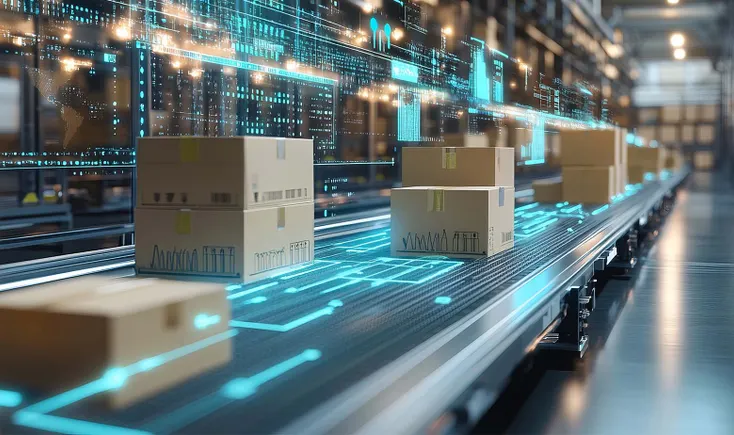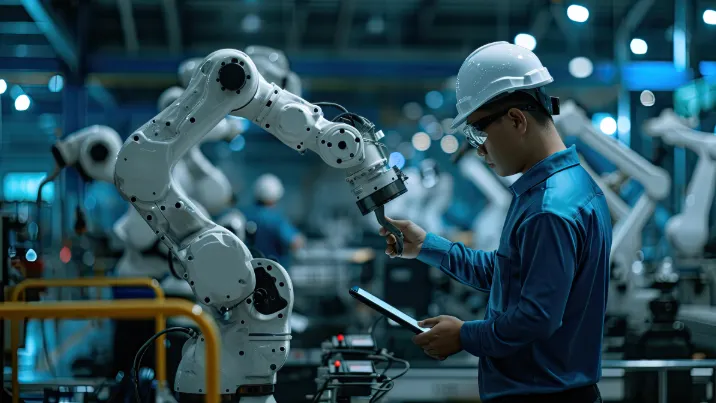
AI is revolutionizing the manufacturing sector, but a significant gap remains between potential and impact. As of October 5, 2026, the Infosys Manufacturing Tech Index: AI Pulse reports that 75% of manufacturers have embedded AI into their enterprise strategy. However, only 20% of these initiatives fully meet their business objectives. This disparity highlights the urgent need for manufacturers to develop an operating architecture that effectively integrates AI into the decision-making processes and operations on the shop floor.
What Happened
The recent Infosys report underscores the challenges manufacturers face in realizing the full benefits of AI. While a majority of manufacturers have recognized AI’s strategic importance, most initiatives fall short of achieving their intended outcomes. The key issue lies in the disconnection between information technology (IT) systems and operational technology (OT) systems. IT systems are responsible for enterprise planning and decision-making, while OT systems manage machines, production lines, and shop floor processes. The lack of integration between these two domains prevents AI from making fully informed and context-aware decisions.
The convergence of IT and OT is critical. It is at this intersection that AI can provide the necessary context to support operational decisions, thus forming the basis for 'physical AI.' This involves embedding intelligence into products and equipment, enabling them to interpret conditions and act within the physical environment. Manufacturers already apply AI in sensitive areas; nearly 60% use it in cybersecurity and OT systems, and about 50% in production and quality control. However, the supporting data and expertise remain fragmented across various systems and functions.
What This Means for Your Business
For businesses in the manufacturing sector, the integration of AI into operational systems offers significant opportunities for enhancing efficiency, reducing downtime, and improving quality control. To capitalize on these opportunities, companies must focus on creating a unified operating view that connects plant floor signals, enterprise data, engineering context, and operational workflows. This integration will allow AI to make more reliable recommendations and trigger physical responses that can optimize production decisions.
For example, predictive maintenance models can significantly reduce downtime by linking machine data to production schedules and maintenance histories. Similarly, digital twins can leverage real-time operational data to simulate changes and support instant production adjustments. Companies that successfully bridge the IT/OT divide will be better positioned to enhance their competitive advantage, achieve higher ROI, and meet compliance requirements, such as those related to cybersecurity.
What US Operators Should Watch
Manufacturers should prioritize the development of integrated systems that facilitate seamless communication between IT and OT domains. This effort involves investing in platforms that support data connectivity and governance. Additionally, operators should stay informed about advancements in AI applications that can be applied to real-time production environments. Monitoring federal and industry standards for AI implementation and cybersecurity will also be crucial to maintaining compliance and securing sensitive operational data.
As manufacturers continue to explore AI’s potential, staying ahead of technological and regulatory changes will be essential for maintaining a competitive edge in the rapidly evolving industrial landscape.
Is your firm ready for what’s next?
VisioneerIT helps AECM and government contractors modernize operations, achieve compliance, and implement AI.
Explore VisioneerIT Solutions →