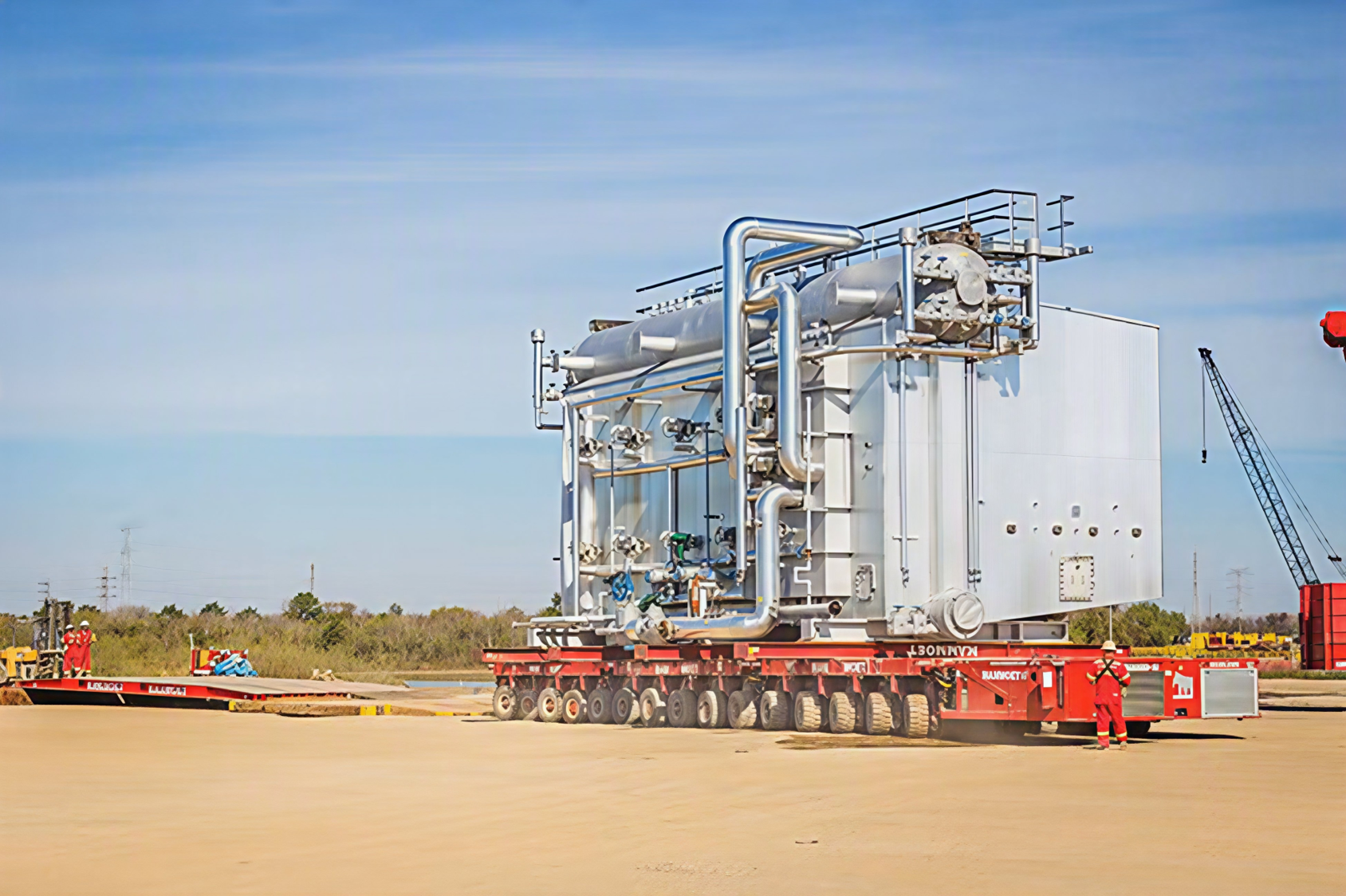
On July 22, 2026, a transmission line fault in Ashburn, Virginia—a major hub for data centers—resulted in a sudden loss of over 3 gigawatts from the grid. This incident underscores a critical issue: the architecture of the power grid is ill-equipped to handle the unique demands of AI-driven data centers. As the volume and intensity of AI data processing escalate, US infrastructure faces unprecedented stress.
What Happened
The recent power outages in Ashburn, Virginia, highlight a fundamental problem with the current grid infrastructure. Unlike traditional loads such as steel mills or residential areas, AI data centers exhibit erratic power consumption patterns. A single AI campus can alter its power demand by up to 70% in milliseconds during intensive operations, and they shut down rapidly to protect sensitive computing equipment during upstream disturbances. The power grid, designed decades ago, cannot handle such abrupt changes effectively. The outages are not due to a lack of power supply but are architecture failures within the grid itself. The standard power stack, from medium-voltage delivery to low-voltage conditioning within data centers, is outdated. Uninterruptible power supply (UPS) systems are stretched beyond their intended capacities, operating in bypass mode to conserve energy but leaving the grid vulnerable to disturbances. Protection logic, built for large loads defined decades ago, fails to recognize and adapt to the new scale of AI-driven power demands.
What This Means for Your Business
For businesses operating in the architecture, engineering, construction, and manufacturing (AECM) sectors, this presents both challenges and opportunities. The need to upgrade grid infrastructure opens avenues for contracts in redesigning and implementing new power architectures. Companies that can innovate solutions to stabilize load profiles and integrate AI data centers into the grid will be at a competitive advantage. There is also an increased emphasis on compliance with evolving standards for grid reliability and cybersecurity measures, such as the Cybersecurity Maturity Model Certification (CMMC), given the critical nature of these infrastructures. Moreover, the transition to a more robust grid architecture will require substantial investment, presenting opportunities for federal funding and partnerships in public-private initiatives aimed at modernizing the grid.
What US Operators Should Watch
Key deadlines and regulatory developments are crucial for decision-makers to monitor. The timeline for implementing new grid architectures and securing interconnections for upcoming AI data center projects will be pivotal. Operators should track federal and state-level funding opportunities aimed at grid modernization and ensure compliance with new cybersecurity and grid reliability standards. The push towards medium-voltage integration and modular enclosures near substations represents a significant shift in infrastructure planning that AECM professionals must adapt to swiftly.
---
Source: Technology Review. Read the original story ->
Is your firm ready for what’s next?
VisioneerIT helps AECM and government contractors modernize operations, achieve compliance, and implement AI.
Explore VisioneerIT Solutions →