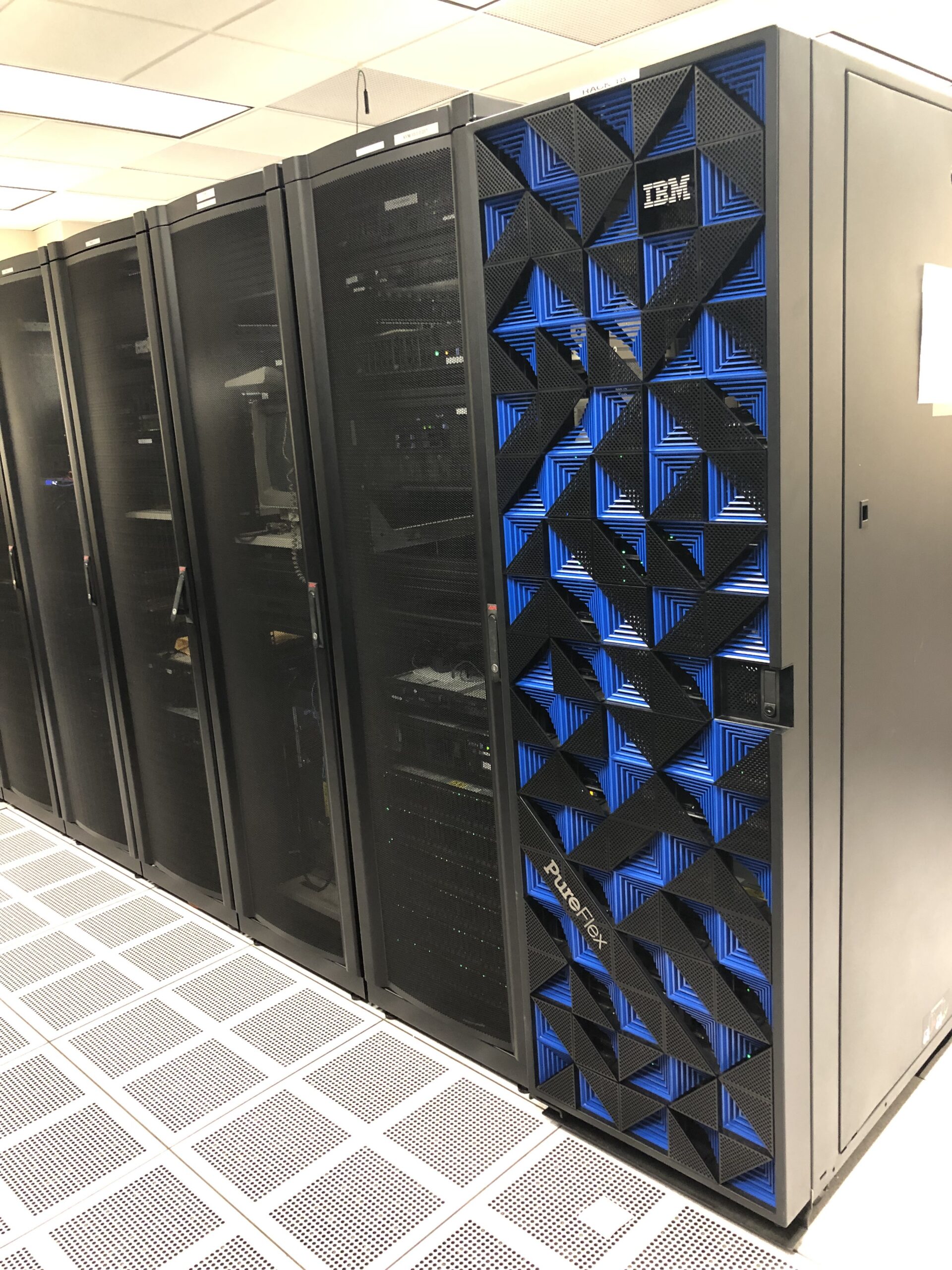
AI-driven data centers are revolutionizing the design of electrical and power systems, necessitating flexible infrastructures to manage rapid load swings and power quality issues. This shift is urgent for the AECM industry as developers face growing power constraints and grid limitations.
What Happened
AI data centers are pushing the boundaries of traditional electrical systems, requiring advanced solutions to handle significant fluctuations in power quality and load at the server level. As noted by experts like Brook Gummere and Ken Urbanek, robust power conditioning and innovative uninterruptible power supply (UPS) technologies are critical. The need for efficient power delivery has led to the adoption of new technologies in busways and connection systems, allowing for precise power usage monitoring at individual connections. In cases where utility power is unavailable, developers are deploying on-site generation solutions, including natural-gas-driven fuel cells, to ensure rapid deployment and reduce carbon emissions.
Kenneth Kutsmeda highlights that power constraints and manpower limitations are driving developers toward hybrid on-site generation and modular construction strategies. These approaches combine multiple technologies, such as fuel cells, reciprocating engines, and photovoltaic systems, to bridge the gap until firm utility service becomes available. This diversification not only enhances resilience but also ensures operational flexibility during interim periods before utility power delivery.
What This Means for Your Business
For businesses in the AECM industry, the design and deployment of AI data centers present both challenges and opportunities. The need for advanced power systems and hybrid generation solutions could lead to new contracts and procurement opportunities. However, companies must navigate complex compliance requirements, including those related to emissions and environmental impact. The integration of diverse power generation technologies may also impact ROI and cost structures, necessitating careful planning and investment in emerging technologies.
The shift towards modular construction and on-site generation offers a competitive edge for companies that can adapt quickly to these trends. As the demand for AI data centers grows, firms that can deliver resilient and flexible power solutions will be well-positioned to capture market share.
What US Operators Should Watch
US operators should clos
Is your firm ready for what’s next?
VisioneerIT helps AECM and government contractors modernize operations, achieve compliance, and implement AI.
Explore VisioneerIT Solutions →