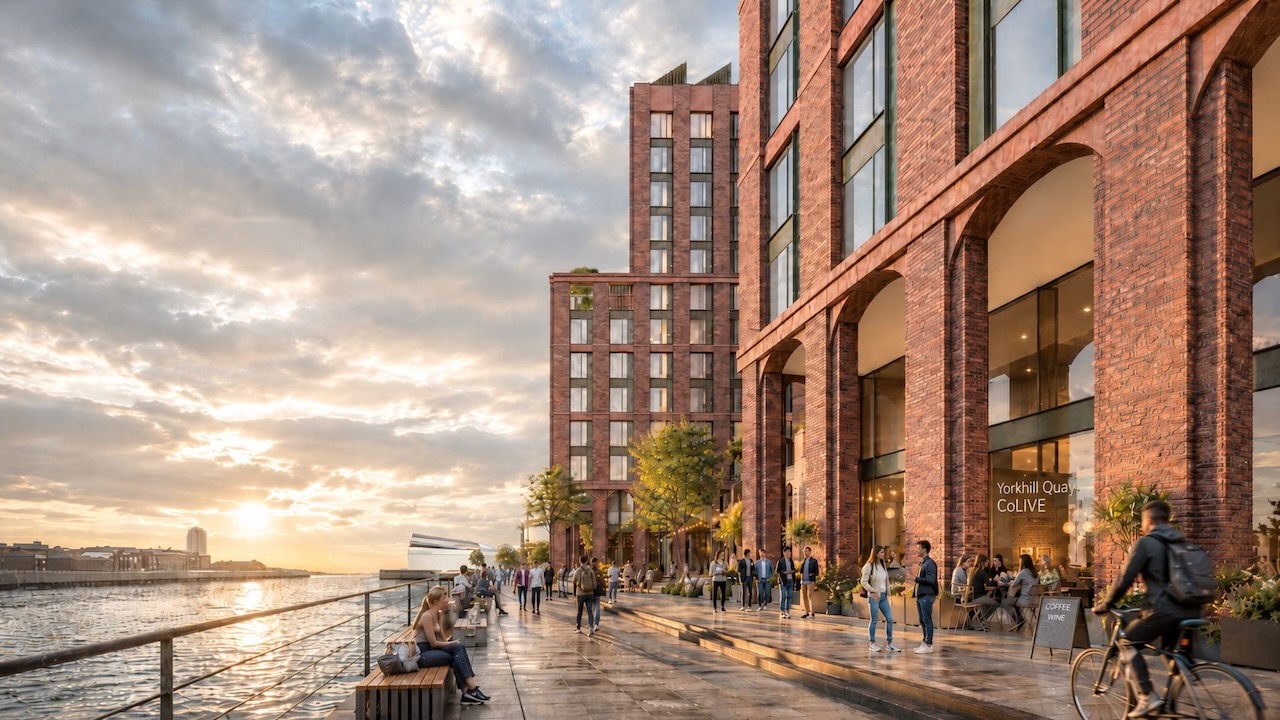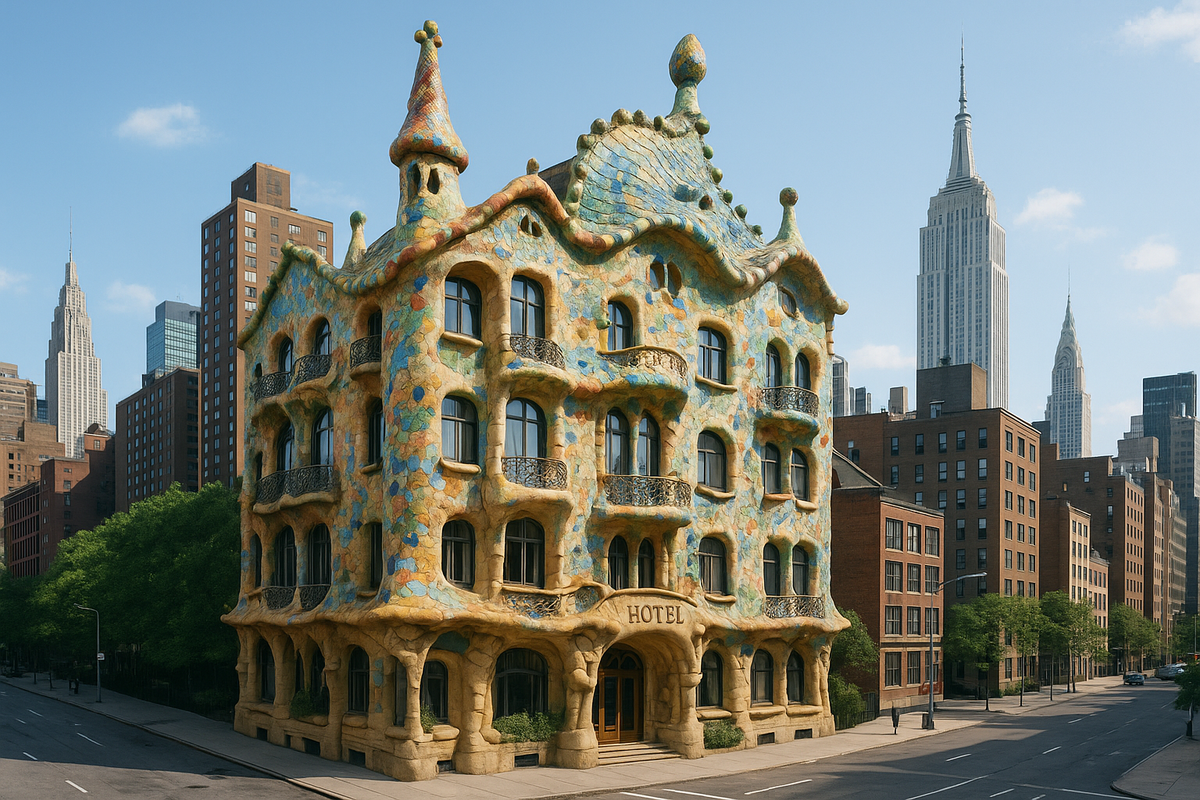
The intersection of artificial intelligence and architecture has taken a new turn as AI artist Thierry Lechanteur unveiled digital renders of Antoni Gaudí's speculative supertall hotel design for New York. This development, featured in Dezeen's Gaudí Centenary series, has sparked a debate about the role of AI in creative arts, particularly in architecture.
What Happened
Thierry Lechanteur, an AI artist, has used artificial intelligence to generate digital renders of a hypothetical New York hotel designed by the legendary architect Antoni Gaudí. These renders were showcased as part of Dezeen's Gaudí Centenary series, celebrating the 100th anniversary of the iconic architect. The AI-generated visuals have reignited discussions about the legitimacy of AI in the realm of art and architecture, with some readers questioning the very notion of an 'AI artist.' The renders depict a futuristic interpretation of Gaudí's style, highlighting the potential for AI to reinterpret and expand upon traditional design philosophies in modern contexts.
What This Means for Your Business
For architecture, engineering, and construction management (AECM) professionals, this development underscores the growing influence of AI technologies in design processes. AI can accelerate design iterations, reduce costs, and offer innovative solutions that might be overlooked by human designers. However, it also raises questions about intellectual property and the authenticity of AI-generated designs. Firms that embrace AI could gain a competitive edge by offering novel design services that blend traditional and futuristic elements, thereby attracting clients interested in cutting-edge aesthetics. Moreover, the integration of AI in design processes could streamline operations, enhance creativity, and potentially lead to new business models in the AECM industry.
What US Operators Should Watch
As AI continues to permeate the architecture industry, US operators should track developments in AI technology and its applications in design. Key considerations include monitoring advancements in AI algorithms that could affect design capabilities and staying informed about evolving regulations concerning AI in creative industries. Additionally, firms should be prepared for shifts in client expectations as AI-generated designs become more prevalent. Understanding these dynamics will be crucial for maintaining competitive positioning and ensuring compliance with any future legal frameworks governing AI usage in architecture.
Source: https://www.dezeen.com/2026/06/23/hotel-attraction-renders-gaudi-centenary-dezeen-debate/. Read the original story ->
Is your firm ready for what’s next?
VisioneerIT helps AECM and government contractors modernize operations, achieve compliance, and implement AI.
Explore VisioneerIT Solutions →