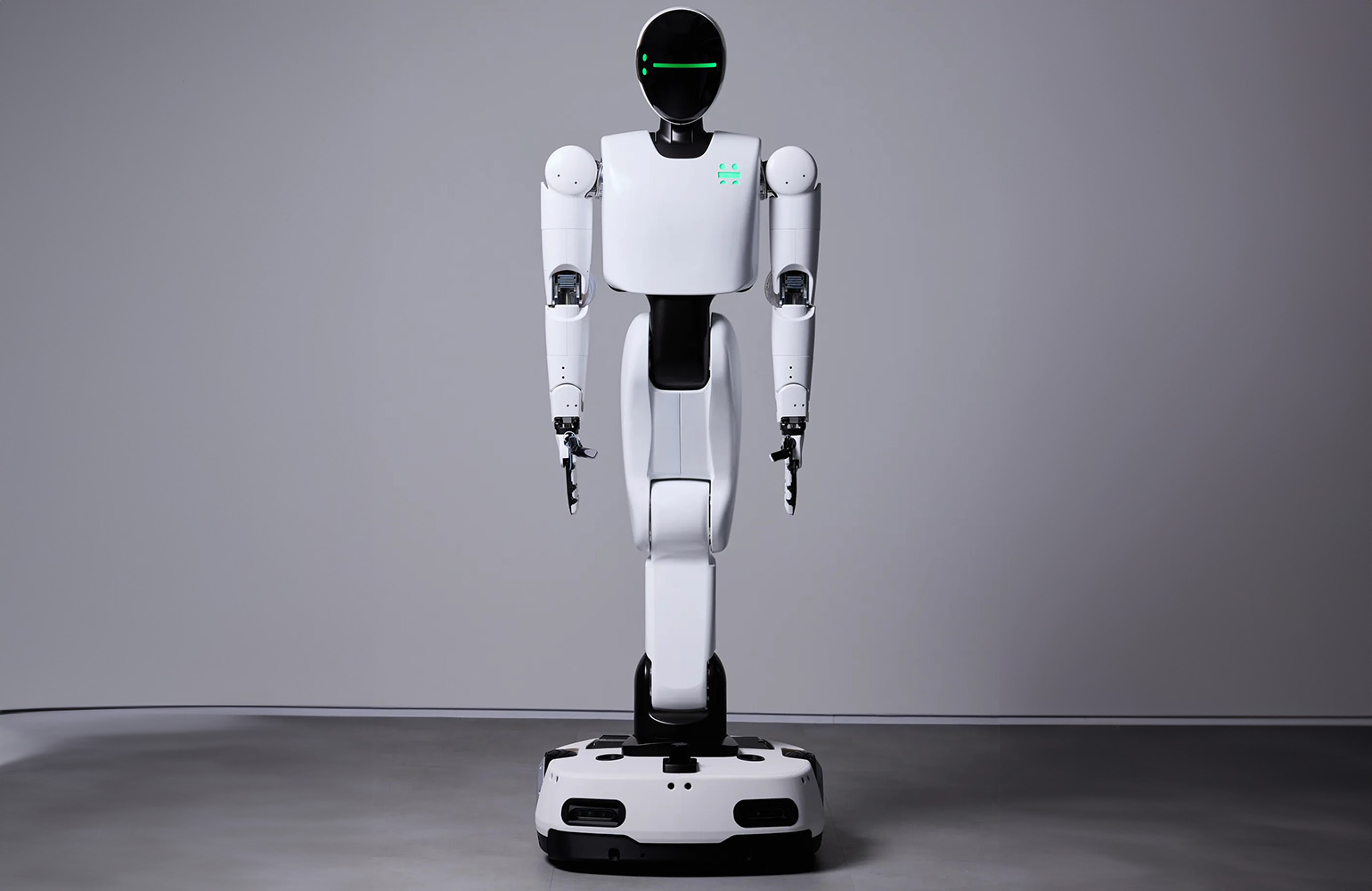
AI is rapidly transforming the manufacturing landscape by acting as a unifying intelligence layer that connects robotics with vast amounts of previously untapped data. This integration is poised to reshape how manufacturing processes function, offering unprecedented efficiencies and capabilities.
What Happened
The integration of AI into robotics is ushering in a new era for the manufacturing industry. By serving as a connective layer, AI is enabling robots to utilize expansive datasets that were previously siloed or unused. This development is not just about enhancing the capabilities of individual machines but about creating a cohesive ecosystem where data-driven decision-making becomes the norm. AI's role in this transformation is crucial, as it can analyze and interpret vast amounts of data in real-time, providing actionable insights that can lead to more efficient manufacturing processes.
Why It Matters for the AECM Industry
For the AECM industry, the implications of this technology are profound. Manufacturers stand to benefit from reduced operational costs due to increased automation and efficiency. The ability of AI to process and analyze data rapidly means that production lines can be optimized in real-time, reducing downtime and improving overall productivity. Additionally, the integration of AI and robotics can lead to better quality control, as machines can detect defects or inconsistencies more accurately than human inspectors. This shift towards a more automated and intelligent manufacturing environment also impacts labor dynamics, potentially reducing the need for manual labor while creating opportunities for new roles focused on managing and maintaining advanced systems.
What's Next
The ongoing development and integration of AI in manufacturing are expected to continue accelerating. Industry professionals should monitor advancements in AI algorithms and robotics technology, as these will dictate the pace and scope of transformation within the sector. Moreover, companies should prepare for increased competition as early adopters of these technologies gain significant advantages in terms of efficiency and cost savings. As AI systems become more sophisticated, the potential for further innovation in manufacturing processes is vast, with the possibility of entirely new production paradigms emerging.
Is your firm ready for what’s next?
VisioneerIT helps AECM and government contractors modernize operations, achieve compliance, and implement AI.
Explore VisioneerIT Solutions →