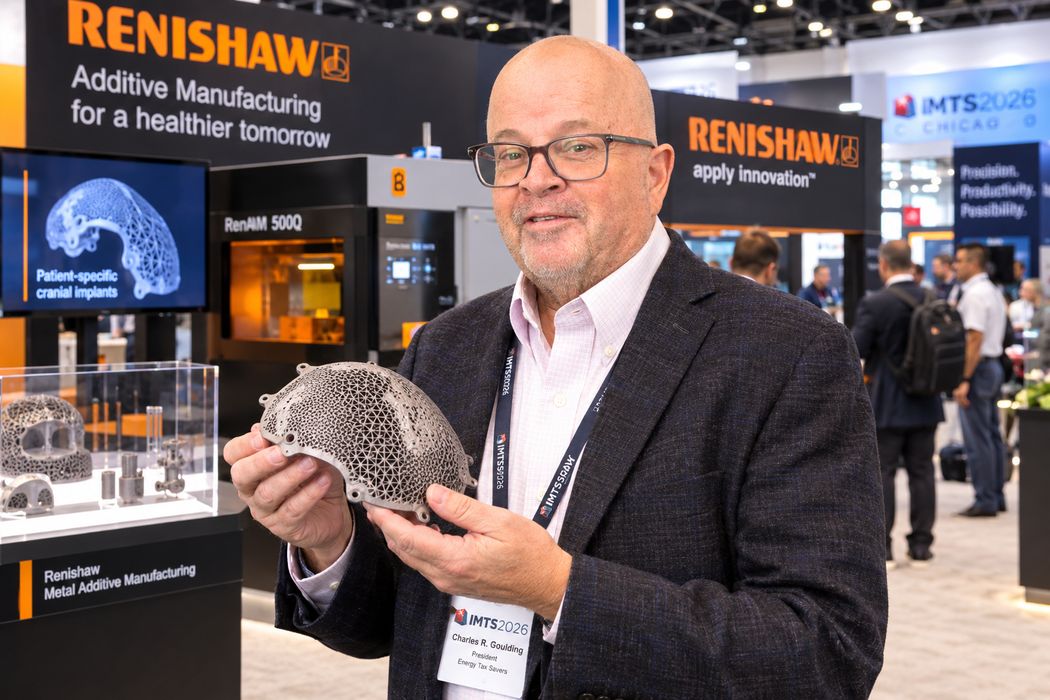
Additive manufacturing takes center stage at IMTS 2026, showcasing its transformative potential for real-world production processes.
What Happened
The International Manufacturing Technology Show (IMTS) 2026 in Chicago has become a pivotal platform where 3D printing is demonstrating its leap from prototype development to full-scale production applications. Key industry players such as Nikon SLM, Renishaw, and Farsoon are leading this charge, showcasing advanced additive manufacturing technologies that promise to redefine manufacturing standards.
Nikon SLM unveiled its latest selective laser melting technology, designed to enhance precision and scalability in metal part production. Renishaw highlighted its innovations in multi-laser systems, which significantly reduce production time and costs. Meanwhile, Farsoon's open platform approach is drawing attention for its flexibility and adaptability in various manufacturing scenarios, catering to industries ranging from aerospace to medical devices.
These advancements are not just theoretical; they are being actively integrated into manufacturing processes, offering tangible benefits such as reduced material waste, lower production costs, and increased design flexibility. The showcase at IMTS 2026 underscores a critical shift in the manufacturing landscape, where 3D printing is no longer an experimental technology but a robust tool for mainstream production.
What This Means for Your Business
For AECM professionals and government contractors, the implications of these advancements in 3D printing are profound. The ability to produce complex geometries with reduced lead times enhances competitive positioning in a rapidly evolving market. Firms investing in additive manufacturing can expect substantial returns on investment through cost savings in materials and labor, as well as increased efficiency and product customization capabilities.
Compliance requirements are also evolving with these technological advancements. As 3D printing becomes more integrated into production lines, businesses must ensure adherence to updated standards such as the Cybersecurity Maturity Model Certification (CMMC) and NIST guidelines, particularly when dealing with sensitive or defense-related projects.
Additionally, federal funding opportunities are likely to increase as government agencies recognize the strategic importance of additive manufacturing in maintaining competitive edge and innovation leadership. Companies in the AECM space should monitor grant announcements and R&D incentives that support the adoption of 3D printing technologies.
What US Operators Should Watch
Key dates and opportunities for decision-makers include upcoming federal procurement windows that may prioritize 3D printing capabilities. Firms should also track advancements in Zero Trust cybersecurity frameworks, which will be crucial as digital and physical manufacturing processes become more intertwined.
Additionally, industry professionals should prepare for potential CMMC audit dates and stay informed about bid opportunities that emphasize additive manufacturing capabilities. Keeping abreast of these developments will be essential for maintaining compliance and capitalizing on the growing market demand for 3D-printed solutions.
Is your firm ready for what’s next?
VisioneerIT helps AECM and government contractors modernize operations, achieve compliance, and implement AI.
Explore VisioneerIT Solutions →