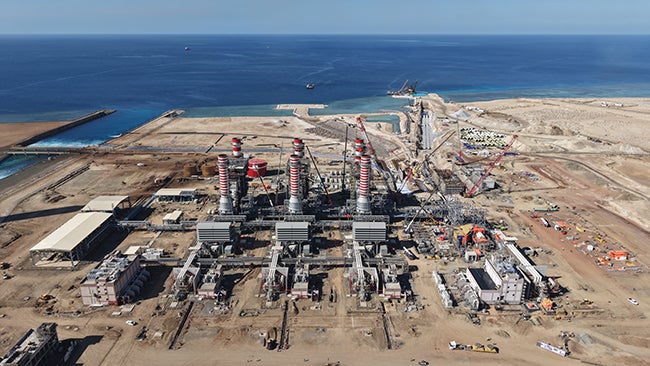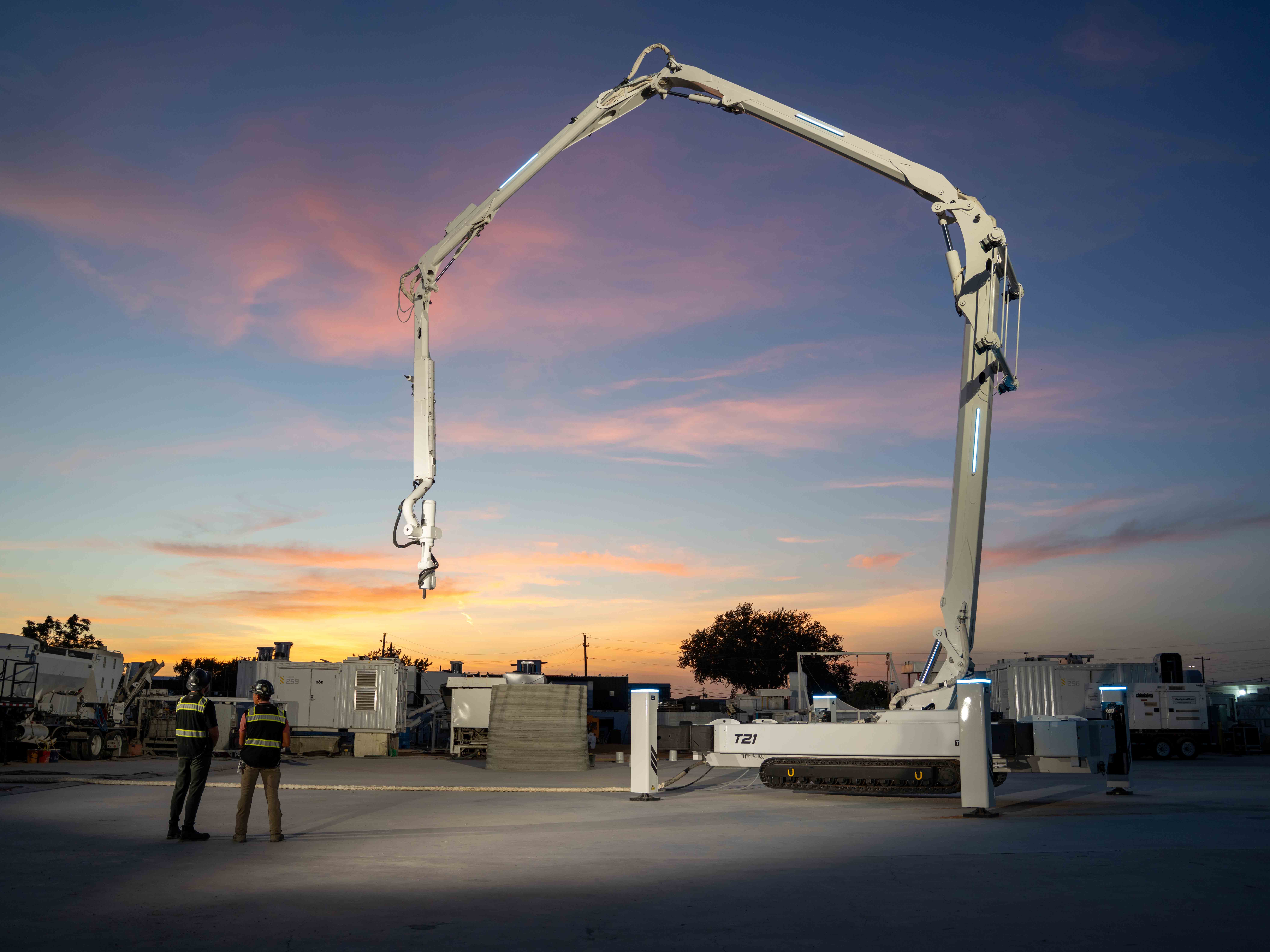
3D printing technology is making significant strides in the construction sector, promising to revolutionize traditional building methods. Recent developments from the U.S. Army, Concordia University, ICON, and ETH Zurich highlight the potential of additive manufacturing to enhance efficiency, reduce costs, and improve sustainability in infrastructure projects.
What Happened
Additive construction, a burgeoning field within the broader 3D printing industry, is gaining momentum with several notable projects. The U.S. Army has been exploring the use of 3D printing for rapid construction of barracks and other structures in remote locations, aiming to reduce logistics and manpower requirements. Concordia University is investigating the potential of concrete printing to create overcladding systems that can improve the energy efficiency of existing buildings. Meanwhile, ICON, a leader in the field, has been at the forefront of developing affordable housing solutions through large-scale 3D printing. ETH Zurich is pioneering research on how additive manufacturing can mitigate avalanche risks by creating protective structures quickly and efficiently.
What This Means for Your Business
For US-based AECM firms, the rise of additive construction presents both opportunities and challenges. Companies that embrace this technology can gain a competitive edge by offering innovative solutions that traditional methods cannot match. The reduction in material waste and labor costs associated with 3D printing can significantly enhance ROI, making projects more financially viable. Furthermore, compliance with evolving standards, such as those related to sustainability and energy efficiency, may become easier to achieve with advanced construction techniques. Firms should consider investing in training and equipment to stay ahead in this rapidly evolving field.
What US Operators Should Watch
Decision-makers should track ongoing federal initiatives and funding opportunities related to 3D printing in construction. The U.S. Army's projects could set a precedent for government contracts, potentially opening new markets for private sector collaboration. Additionally, staying informed about advancements in materials and printing techniques will be crucial for maintaining a competitive position. Operators should also be aware of any forthcoming regulatory changes that could impact the adoption of additive manufacturing technologies in construction.
Source: https://www.engineering.com/additive-construction-update-overcladding-avalanches-concrete-printing-and-more/. Read the original story ->
Partner Insight · VisioneerIT
As the construction sector increasingly adopts 3D printing technologies, understanding federal compliance and securing government contracts becomes essential for firms looking to leverage these innovations. VisioneerIT provides the necessary support to navigate this landscape effectively.
Explore VisioneerIT Cybersecurity →
Is your firm ready for what’s next?
VisioneerIT helps AECM and government contractors modernize operations, achieve compliance, and implement AI.
Explore VisioneerIT Solutions →