Bleeding-edge developments in 3D printing technology are poised to revolutionize the architecture, engineering, construction, and manufacturing (AECM) sectors. Research from leading institutions such as MIT, Oak Ridge National Laboratory, Sichuan University, Singapore University of Technology and Design (SUTD), and Tianjin University is pushing the boundaries of additive manufacturing. These innovations promise to enhance efficiency, precision, and functionality in various applications, underscoring the importance of staying abreast of technological advancements for industry leaders.
What Happened
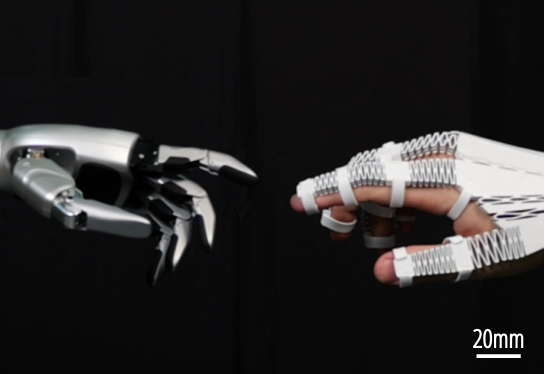
Recent studies have unveiled groundbreaking innovations in 3D printing, including self-aware tools and soft robot skins. Researchers at MIT have pioneered 'self-aware' tools that integrate sensors to monitor and adjust their performance in real-time. This technology allows for unprecedented precision and adaptability, critical for complex manufacturing processes. Meanwhile, Oak Ridge National Laboratory and its partners are exploring the potential of soft robot skins, which could lead to more versatile and resilient robotic systems. These skins, developed with advanced 3D printing techniques, mimic the flexibility and sensitivity of human skin, offering new possibilities for robotics in construction and manufacturing.
In addition, Sichuan University, SUTD, and Tianjin University are contributing to the field with innovative materials and methodologies that enhance the capabilities of additive manufacturing. These developments are not just academic exercises; they represent tangible improvements that could soon be integrated into commercial practices, offering significant competitive advantages to early adopters.
What This Means for Your Business
For decision-makers in the AECM sectors, these advancements in 3D printing present numerous opportunities. The integration of self-aware tools can lead to more efficient manufacturing processes, reducing waste and improving quality control. This capability is particularly beneficial for sectors requiring high precision, such as aerospace and automotive manufacturing.
The development of soft robot skins opens new avenues for robotics in construction, enabling robots to handle delicate tasks or operate in challenging environments with greater dexterity and adaptability. For companies involved in robotics, these innovations could lead to the development of new products and services, enhancing their market position.
Furthermore, businesses that incorporate these cutting-edge technologies may see improved ROI through increased productivity and reduced operational costs. Staying informed and ready to adopt these technologies will be crucial for maintaining a competitive edge in the rapidly evolving landscape of AECM.
What US Operators Should Watch
Industry leaders should keep close tabs on the progress of these technologies as they transition from research to practical application. Monitoring developments at institutions like MIT and Oak Ridge will provide insights into upcoming commercial opportunities. Additionally, businesses should prepare for potential procurement windows and funding opportunities that may arise as these technologies become more mainstream.
Organizations should also consider the implications of these advancements on compliance and regulatory frameworks, particularly in sectors with stringent quality and safety standards. As these technologies evolve, staying ahead of compliance requirements will be essential to leverage their full potential and avoid legal pitfalls.
Source: https://www.engineering.com/additive-research-update-self-aware-tools-soft-robot-skins-and-more/. Read the original story ->
Is your firm ready for what’s next?
VisioneerIT helps AECM and government contractors modernize operations, achieve compliance, and implement AI.
Explore VisioneerIT Solutions →