April 2026 marked a transformative month for the robotics industry, characterized by significant technical advancements, strategic shifts, and legal developments. With major companies like Tesla and ABB Robotics making headline-grabbing announcements, the sector is poised for a dynamic future that AECM professionals cannot afford to overlook.
What Happened
The robotics industry is undergoing rapid evolution as key players achieve technological breakthroughs and strategic milestones. Tesla, traditionally known for its electric vehicles, announced a pivotal shift towards robotics with plans to produce its Optimus humanoid robot at its Fremont facility starting in Q2 2026. This development involves transitioning away from Model S and Model X production lines to accommodate a first-generation robotics plant designed to manufacture one million units annually.
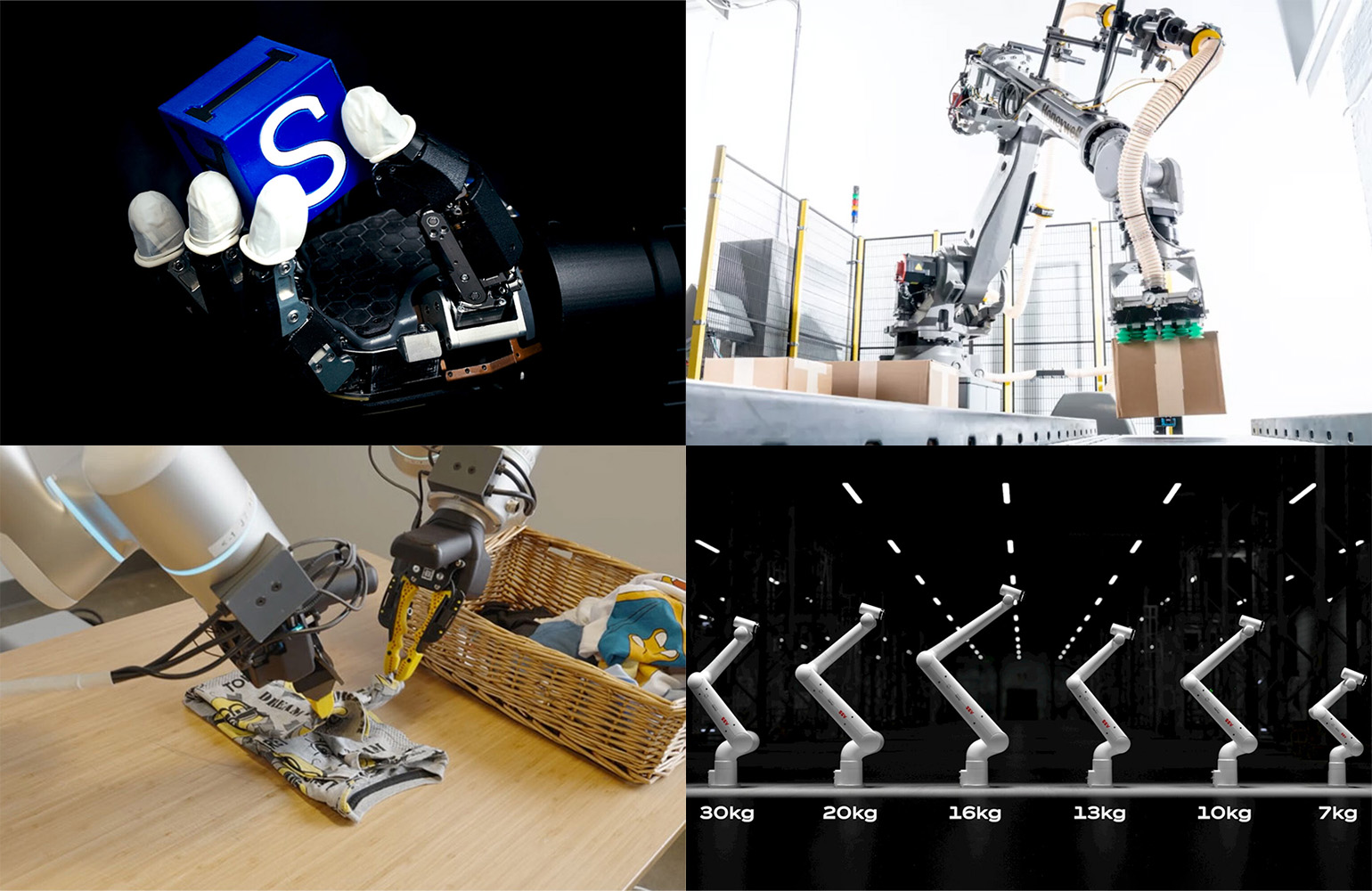
ABB Robotics also made waves by launching its PoWa collaborative robot family, designed to fill a gap between traditional cobots and industrial systems. This new offering comes amidst projections that the global cobot market will grow by 20% annually through 2028, highlighting the increasing demand for versatile automation solutions.
On the legal front, a German court ruled in favor of Teradyne Robotics against Elite Robots in a copyright infringement case, underscoring the competitive and contentious nature of the industry. Meanwhile, Pudu Technology's successful $150 million funding round pushed its valuation over $1.5 billion, further intensifying competition in industrial robotics applications.
Why It Matters for the AECM Industry
The advancements and strategic shifts in robotics are set to have profound implications for the AECM industry. Tesla's entry into large-scale humanoid robot production could redefine labor dynamics in construction and manufacturing, potentially reducing reliance on human labor and altering workforce requirements. ABB's new cobots offer enhanced capabilities for industrial tasks, enabling more efficient and flexible operations on construction sites and manufacturing floors.
The legal battles, such as that between Teradyne and Elite Robots, highlight the need for vigilance in intellectual property management, especially as companies seek to innovate and protect their technological advancements. Additionally, the influx of investment into companies like Pudu Technology signifies a robust interest in developing advanced industrial applications, which could lead to more sophisticated tools and machinery for AECM professionals.
What's Next
As Tesla begins production of the Optimus robot in Q2 2026, AECM professionals should monitor how this development influences labor markets and operational efficiencies. ABB's PoWa cobots will likely become integral to projects that require high precision and adaptability, necessitating updates in training and operational strategies.
The ongoing legal disputes in the robotics sector may spur more rigorous regulatory scrutiny and intellectual property considerations, impacting how companies innovate and collaborate. With the global cobot market expected to grow significantly, AECM professionals should prepare for increased integration of these systems into day-to-day operations, potentially reshaping project management and execution strategies.
Is your firm ready for what’s next?
VisioneerIT helps AECM and government contractors modernize operations, achieve compliance, and implement AI.
Explore VisioneerIT Solutions →