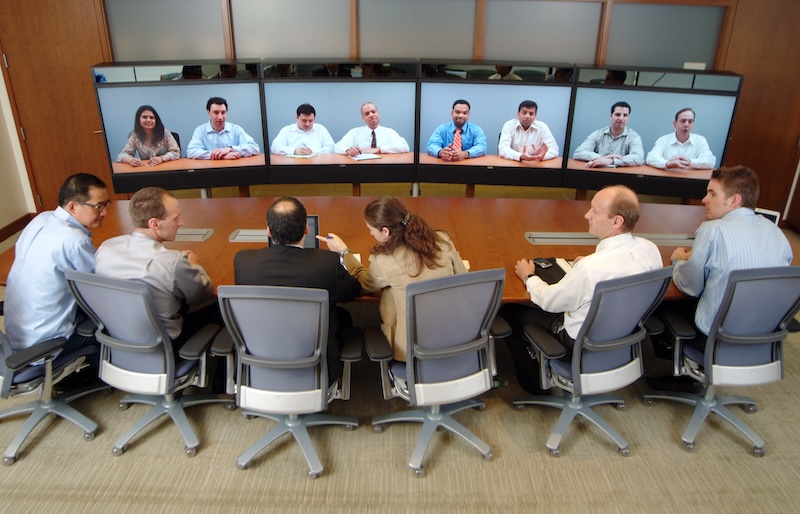
Remote work is no longer just for office settings. Recent advancements in telepresence technologies are enabling remote operations in manufacturing, maintenance, and other physically intensive industries. This development is not only expanding the scope of remote work but also enhancing safety and efficiency in high-risk environments.
What Happened
Telepresence technologies, combining robotics, immersive interfaces, and low-latency connectivity, are extending remote work capabilities beyond office environments to the factory floor. Traditionally, manufacturing and other physical industries have been constrained by the need for direct human interaction with machinery and materials. However, advancements in virtual reality, real-time data communication, and haptic feedback are making remote interaction more immersive and intuitive. These systems allow workers to perform tasks such as equipment maintenance, infrastructure inspection, and diagnostics from a distance, effectively "stepping into" remote environments through robotic systems.
Why It Matters for the AECM Industry
For the architecture, engineering, construction, and manufacturing sectors, the implications are significant. By enabling remote work in these physical industries, companies can reduce risks associated with hazardous environments. Workers are no longer required to be physically present in dangerous or unstable conditions, which enhances safety protocols and potentially reduces the need for extensive protective gear. Additionally, this technology can help address labor shortages by allowing experts to operate remotely across multiple sites, optimizing human resources. The gradual adoption of telepresence can also lead to cost savings in terms of travel and on-site accommodations, while reducing downtime by allowing rapid response to maintenance and operational issues.
What's Next
The transition to telepresence in manufacturing and similar sectors is expected to occur in stages. Initially, remote assistance will continue to expand, where experts guide on-site workers through complex tasks. The next phase will see partial teleoperation, with remote execution of specific tasks while others remain manual. Eventually, fully immersive teleoperation will become viable, transforming remote work from an exception to a standard practice in many industrial applications. AECM professionals should monitor developments in network capabilities and telepresence tec
Is your firm ready for what’s next?
VisioneerIT helps AECM and government contractors modernize operations, achieve compliance, and implement AI.
Explore VisioneerIT Solutions →