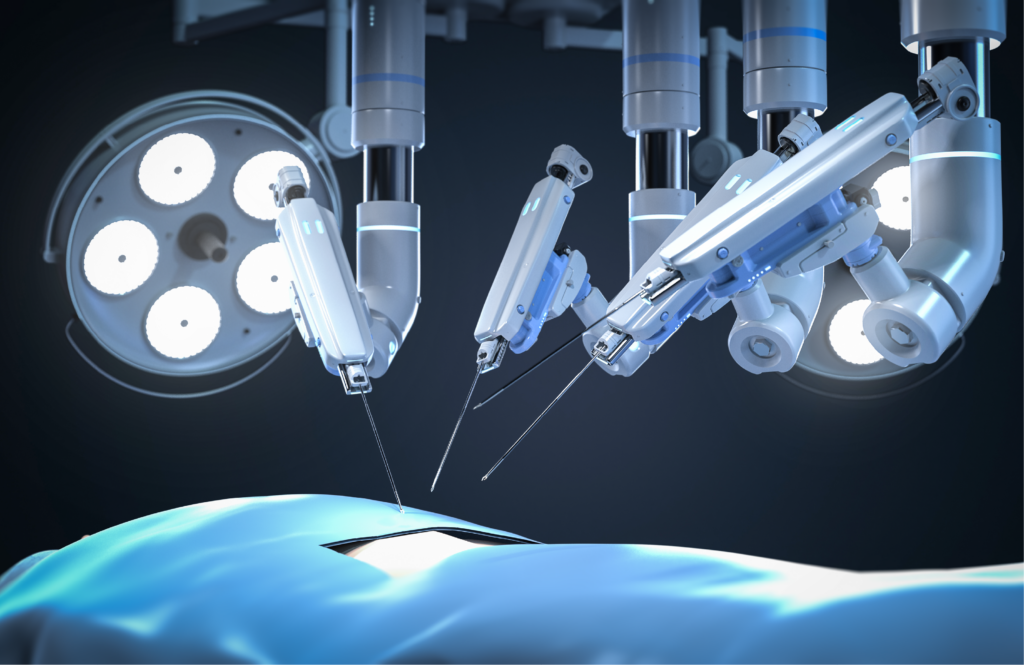
Surgical robotics design is rapidly evolving to meet demands for smaller, more precise, and intelligent systems. OEMs face challenges engineering platforms that deliver high performance and reliability within tight spatial and economic constraints. Minimally invasive surgery requires smaller instruments with high power density motors running near 100,000 RPM and sterilizable components enduring up to 2,500 autoclave cycles. AI integration necessitates smooth, predictable mechanical response, pushing OEMs to use low-cogging, high-efficiency motors with integrated feedback. The rise of procedure-specific robotic tools demands diverse motion components sourced from unified architectures to reduce integration risk and development time. Broader adoption beyond academic centers drives the need for cost-effective platforms suitable for community and rural hospitals, reshaping design priorities for OEMs.
Is your firm ready for what’s next?
VisioneerIT helps AECM and government contractors modernize operations, achieve compliance, and implement AI.
Explore VisioneerIT Solutions →