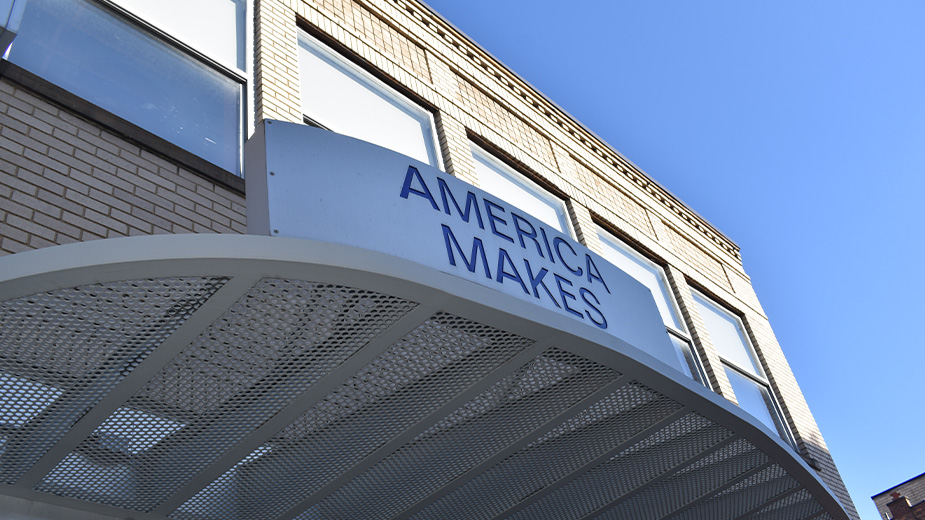
Additive manufacturing, the technology at the heart of modernizing production from medical devices to aerospace components, is facing critical challenges in standardization. The April 2026 Gaps Progress Report, released by America Makes and the American National Standards Institute (ANSI), reveals ongoing issues that could impede the growth and reliability of this innovative manufacturing approach.
What Happened
The Additive Manufacturing Standardization Collaborative (AMSC), a joint initiative by America Makes and ANSI, published the Gaps Progress Report to track advancements in standardization within the additive manufacturing sector. This report provides updates on 35 of the 141 standardization gaps initially identified in the AMSC’s 2023 Standardization Roadmap for Additive Manufacturing, Version 3.0. This roadmap was developed with contributions from approximately 300 experts spanning federal agencies, national laboratories, standards developing organizations, industry, and academia. The report emphasizes that no new gaps have been identified since the last update, marking a steady, albeit slow, progress in closing existing gaps.
The report acts as a "living document," reflecting the dynamic nature of standard development, research, and conformity assessment activities across the additive manufacturing lifecycle. It covers areas such as design, materials, process control, post-processing, qualification and certification, nondestructive evaluation, and data management. The AMSC will continue to update this report periodically until a new version of the roadmap is developed.
Why It Matters for the AECM Industry
For the architecture, engineering, construction, and manufacturing sectors, the establishment of robust and reliable standards in additive manufacturing is crucial. As industries increasingly adopt additive manufacturing, the need for consistent and safe performance of parts produced by different companies and machines becomes paramount. This is especially true in sectors with stringent safety and performance requirements, such as aerospace, medical devices, automotive, and defense.
The lack of standardized processes and materials can lead to significant risks, including potential failures in critical components, increased costs due to rework, and delays in production timelines. By addressing these standardization gaps, the industry can enhance its capability to produce parts at scale with the confidence that they will perform as expected, thereby reducing risks and improving efficiency.
What's Next
The AMSC plans to continue its work in closing the identified gaps, with future updates to the progress report planned. Industry professionals should monitor these updates closely, as they will guide the development and adoption of new standards that could affect manufacturing processes and product designs. Additionally, stakeholders in the AECM industry should participate in the collaborative efforts to shape the future of additive manufacturing standards, ensuring that their sector-specific needs and challenges are addressed.
Is your firm ready for what’s next?
VisioneerIT helps AECM and government contractors modernize operations, achieve compliance, and implement AI.
Explore VisioneerIT Solutions →