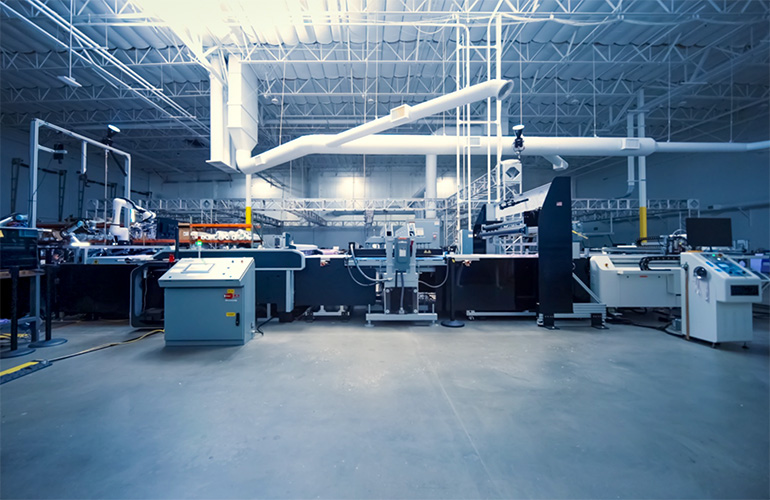
The challenge of automating the assembly of deformable materials, such as those used in apparel manufacturing, is pushing the boundaries of robotics and physical AI. As the global apparel industry faces increasing cost pressures and demands for scalability, the integration of advanced robotics offers a potential breakthrough, reshaping how garments could be manufactured and setting a precedent for the broader manufacturing sector.
What Happened
Automation in the manufacturing of deformable materials, like fabrics, presents unique challenges that traditional methods have struggled to overcome. For over two centuries, the sewing machine has dominated the apparel industry, relying heavily on human dexterity for tasks like alignment and exception handling. Despite advancements in robotics, machines still find it difficult to manage the unpredictable nature of fabric, which can stretch, wrinkle, and change states during handling. Recent developments in vision, simulation, perception, and robot intelligence, however, are closing this gap. These technologies are being tested in production environments, aiming to deliver consistent performance in terms of uptime, cycle time, and system reliability.
Why It Matters for the AECM Industry
The implications of these advancements extend beyond apparel manufacturing. The ability to automate the handling of deformable materials could revolutionize sectors that deal with flexible materials, including architecture and construction. For instance, the construction industry could see improved efficiency in handling materials like insulation and flexible piping. Such innovations promise to reduce labor costs, enhance precision, and speed up project timelines. Moreover, by redesigning processes around robotic capabilities rather than trying to replicate human tasks, manufacturers can unlock new efficiencies and reduce material waste, aligning with sustainability goals.
What's Next
The next steps involve refining these robotic systems to handle the variability and complexity of real-world production environments. Companies are focusing on integrating robotics, joining methods, and learning-based control into cohesive systems that can adapt to dynamic conditions. As these technologies mature, professionals in the AECM industry should watch for new collaborations between robotics firms and material manufacturers, as well as potential shifts in industry standards and practices. The ongoing evolution in this area could lead to significant changes in how projects are planned and executed, offering new opportunities for innovation and competitive advantage.
Is your firm ready for what’s next?
VisioneerIT helps AECM and government contractors modernize operations, achieve compliance, and implement AI.
Explore VisioneerIT Solutions →