Lightwheel has announced securing approximately $100 million in orders during the first quarter of 2026, marking a significant shift in the robotics industry from experimentation to real-world deployment infrastructure. This development is crucial for the Architecture, Engineering, Construction, and Manufacturing (AECM) sectors, as it underscores the growing need for robust systems capable of training, validating, and deploying robots in operational environments.
What Happened
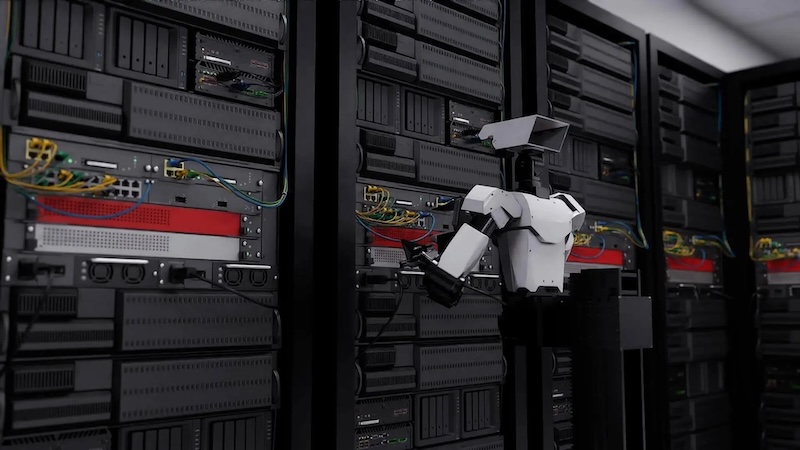
Lightwheel, a company specializing in robotics infrastructure, has reported a surge in demand for its systems, which include simulation, synthetic data generation, evaluation systems, and deployment-oriented robotics infrastructure. These orders are driven by the necessity to move beyond pilot projects and into full-scale deployments. The company's platform focuses on a four-stage deployment process that includes world reconstruction and simulation, behavior and training data generation, system evaluation and validation, and real-world deployment and improvement. Lightwheel's technology aims to digitally recreate industrial environments, reducing operational risks and improving continuous system enhancement post-deployment.
Why It Matters for the AECM Industry
For the AECM industry, Lightwheel's advancements signify a pivotal change in how robotics can be integrated into production and construction environments. The ability to simulate and validate robotic systems before live deployment can lead to significant cost savings and risk reductions. By ensuring robots are ready for real-world conditions, companies can avoid costly errors and downtime. This transition towards robust deployment infrastructure means that more industries can confidently integrate advanced robotics into their operations, potentially increasing productivity and efficiency across the board.
What's Next
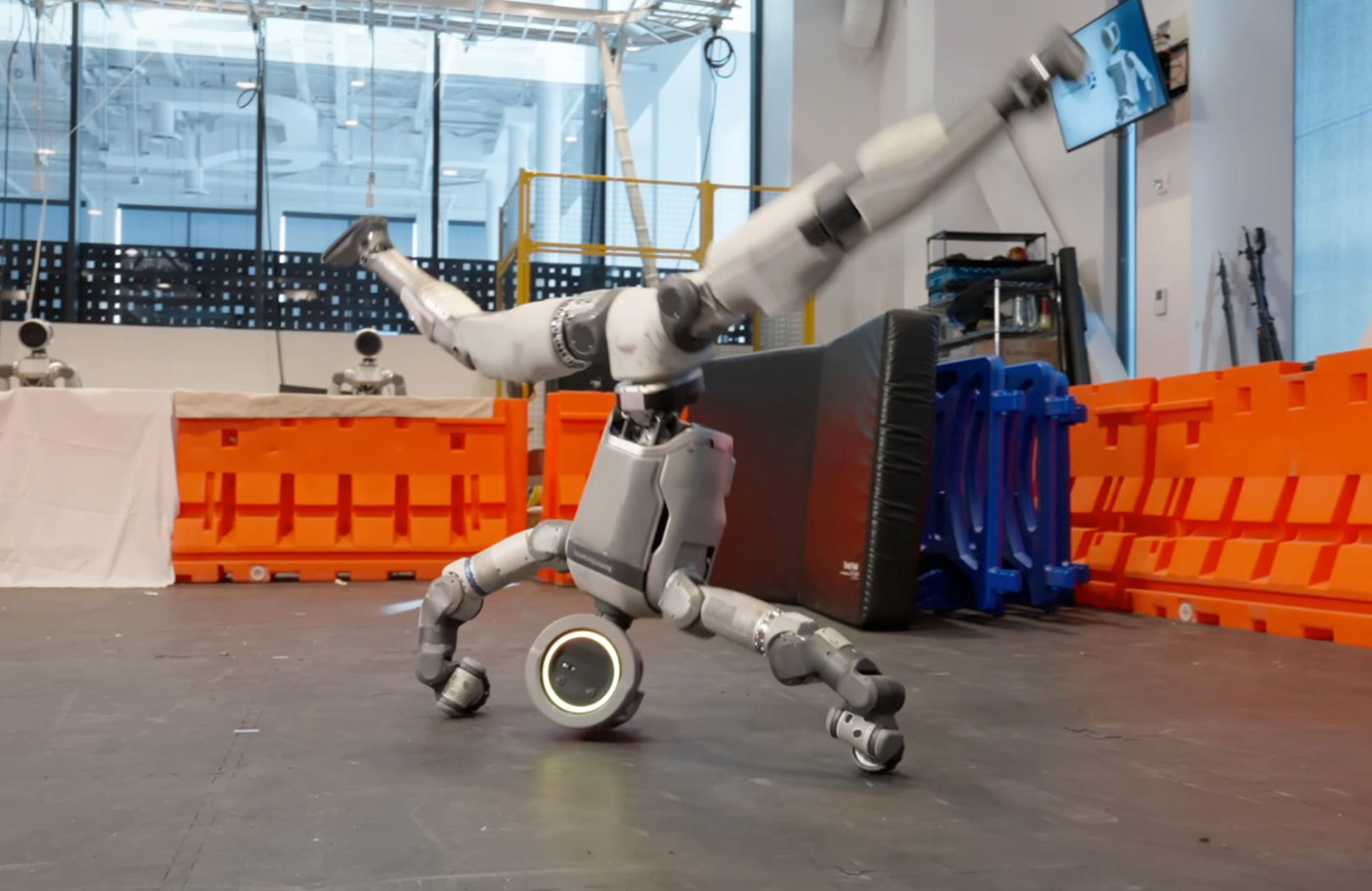
Looking forward, Lightwheel's strategic partnership with PeritasAI highlights the company's ambition to deploy up to 200 humanoid robots in healthcare settings by 2027. This project will serve as a benchmark for how simulation and deployment infrastructure can support robotics in high-demand environments. Additionally, Lightwheel's involvement in the Newton open-source physics engine initiative and the adoption of its LeIsaac simulation framework by Hugging Face indicate its expanding role in shaping the future of physical AI infrastructure. Industry professionals should monitor these developments closely as they could have significant implications for the future of robotics in various sectors, including healthcare and industrial work, as demonstrated by Boston Dynamics' Atlas Robot.
Is your firm ready for what’s next?
VisioneerIT helps AECM and government contractors modernize operations, achieve compliance, and implement AI.
Explore VisioneerIT Solutions →