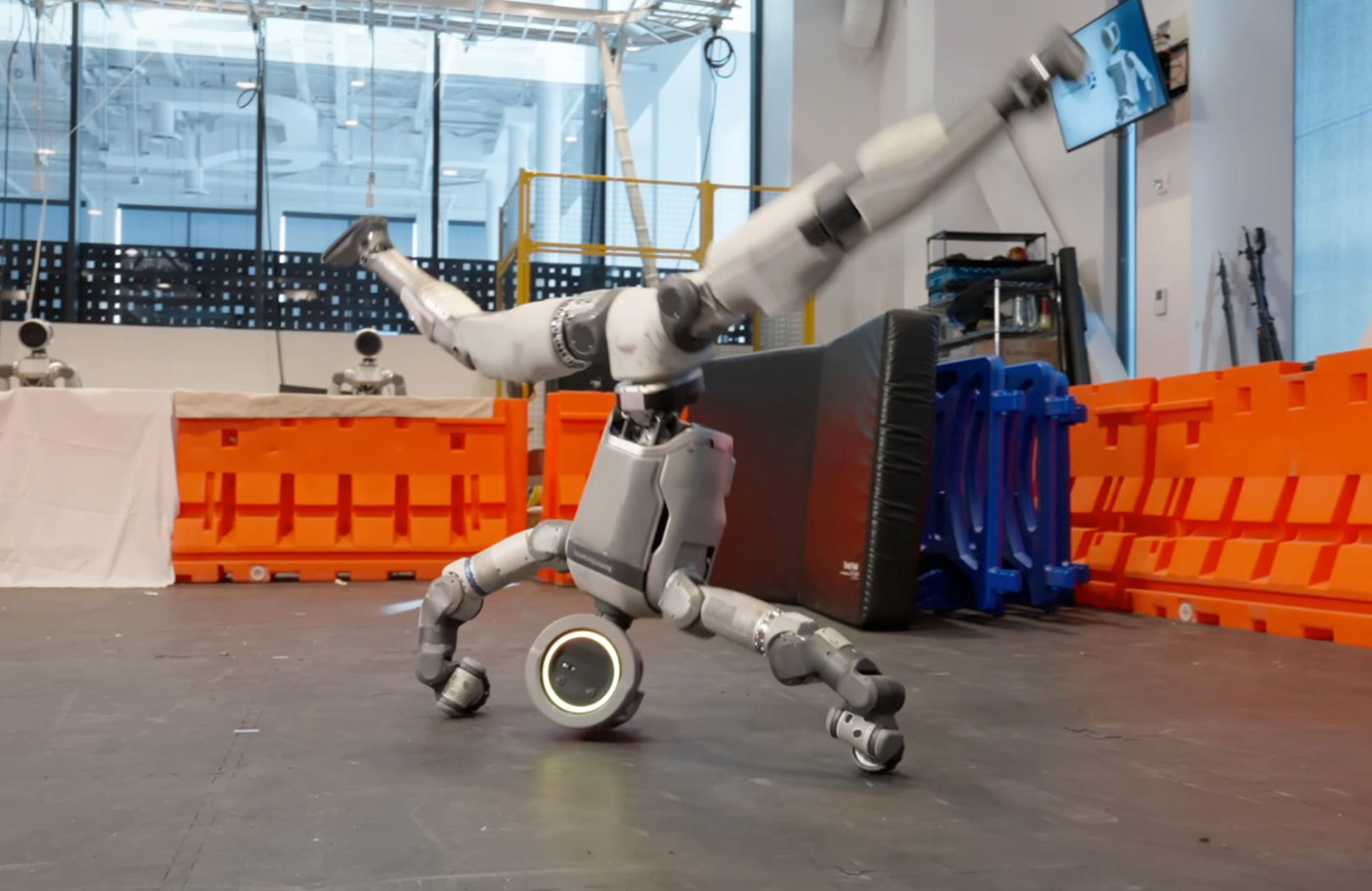
Humanoid robots are on the cusp of significant commercial deployment, with the automotive manufacturing and logistics sectors poised to be primary adopters. This shift, fueled by declining costs and advancements in technology, could reshape labor dynamics in these industries.
What Happened
Humanoid robots are transitioning from the prototype phase to early commercial use, particularly in automotive manufacturing and logistics. According to a report by IDTechEx, the humanoid robot market for these sectors is projected to grow to approximately $25 billion by the early 2030s. Annual shipments are expected to reach 1.8 million units by 2036. The automotive sector is anticipated to lead this demand, followed by logistics, with home-use applications developing more slowly.
Several factors are driving this growth: the push towards Industry 5.0, rapid progress in embodied AI, improvements in materials and supply chains, and robust investment from both investors and original equipment manufacturers (OEMs). The report also highlights that the average selling price of humanoid robots is projected to decrease significantly, from $114,700 in 2024 to about $37,000 by 2030.
Why It Matters for the AECM Industry
For the AECM sector, the adoption of humanoid robots could lead to transformative changes in cost structures and operational efficiencies. As robots become more cost-effective, with potential operating costs dropping below $5 per hour by 2030, they offer a compelling alternative to human labor, particularly in high-labor-cost regions like the United States. This shift could reduce labor costs significantly, impacting project budgets and timelines.
However, the transition also poses challenges. The economic advantage of robots is highly dependent on deployment efficiency, task continuity, and integration quality. Inconsistent utilization could negate potential cost savings. Furthermore, while the initial capital costs are decreasing, the full economic benefits hinge on achieving high utilization rates in structured environments, such as automotive manufacturing plants.
What's Next
As humanoid robots move towards widespread adoption, the focus will be on improving deployment efficiency and integration within existing workflows. Industry stakehol
Is your firm ready for what’s next?
VisioneerIT helps AECM and government contractors modernize operations, achieve compliance, and implement AI.
Explore VisioneerIT Solutions →