A groundbreaking architectural project designed for the visually impaired is taking center stage at Abu Dhabi University. This initiative, which includes a school equipped with accessible facilities, aims to redefine inclusivity in educational architecture. With additional student housing focused on wellness and a modular floating city concept for displaced communities, these projects underscore a forward-thinking approach in design.
What Happened
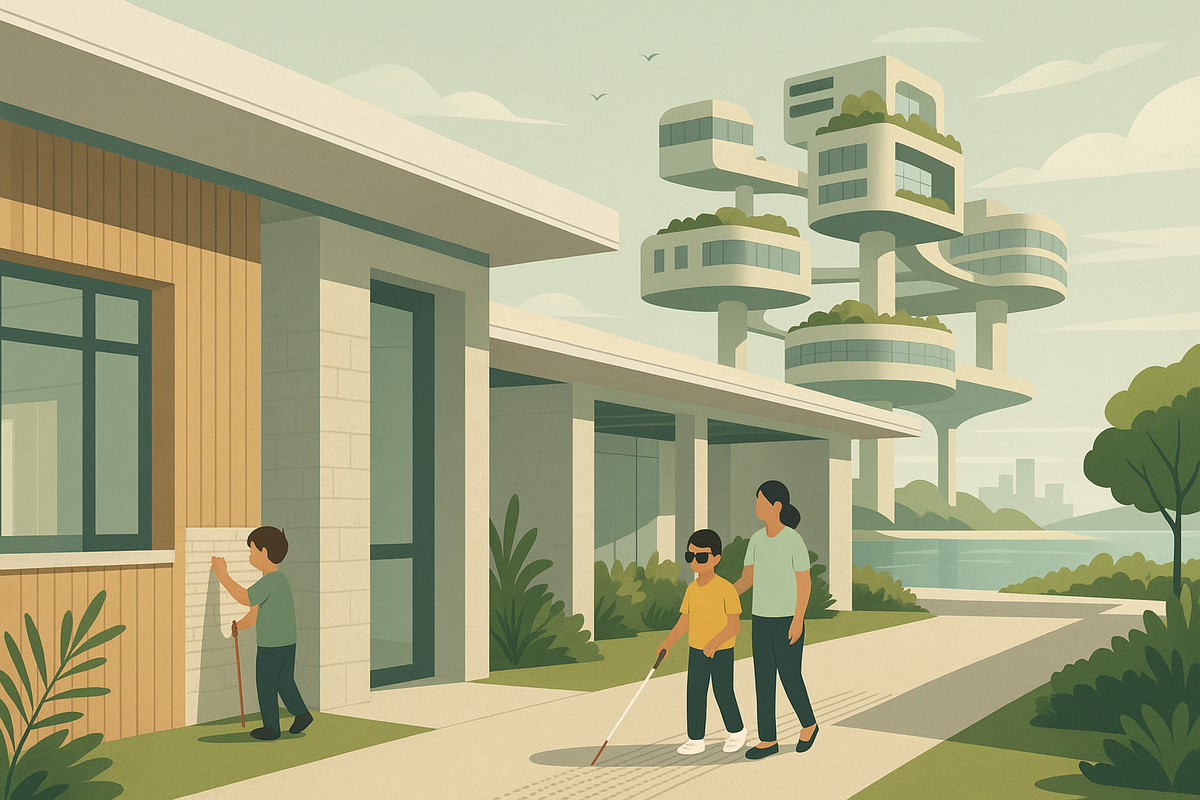
Abu Dhabi University has showcased a series of innovative architecture projects developed by its students. Among these, a school specifically designed for blind and visually impaired children stands out. The project integrates accessible features throughout the facility, ensuring that educational environments cater to all needs. In addition to this, the university has introduced a student housing design that prioritizes mental and physical wellbeing. Another ambitious project is a conceptual modular, floating city intended to accommodate displaced populations, demonstrating a commitment to addressing global challenges through architectural solutions.
Why It Matters for the AECM Industry
These projects highlight a significant shift towards inclusive and sustainable design practices within the architecture sector. For professionals in the AECM industry, this trend signals a growing demand for buildings that not only meet regulatory standards but also promote accessibility and sustainability. The school's design for visually impaired students exemplifies how architects can integrate accessibility into educational facilities, potentially influencing future building codes and standards. Moreover, the floating city concept addresses urgent issues like displacement due to climate change, offering innovative solutions that could be adapted worldwide. These developments emphasize the need for architects and engineers to incorporate inclusive and sustainable elements from the initial design stages.
What's Next
The projects from Abu Dhabi University set a precedent for future architectural endeavors focused on inclusivity and sustainability. As these students transition into professional roles, their innovative ideas could drive changes in design practices across the industry. For AECM professionals, keeping an eye on such educational projects can provide insights into emerging trends and potential shifts in market demands. Additionally, as global challenges like climate change and displacement persist, the industry may see increased debate in architecture circles regarding the best approaches to these issues.
Is your firm ready for what’s next?
VisioneerIT helps AECM and government contractors modernize operations, achieve compliance, and implement AI.
Explore VisioneerIT Solutions →