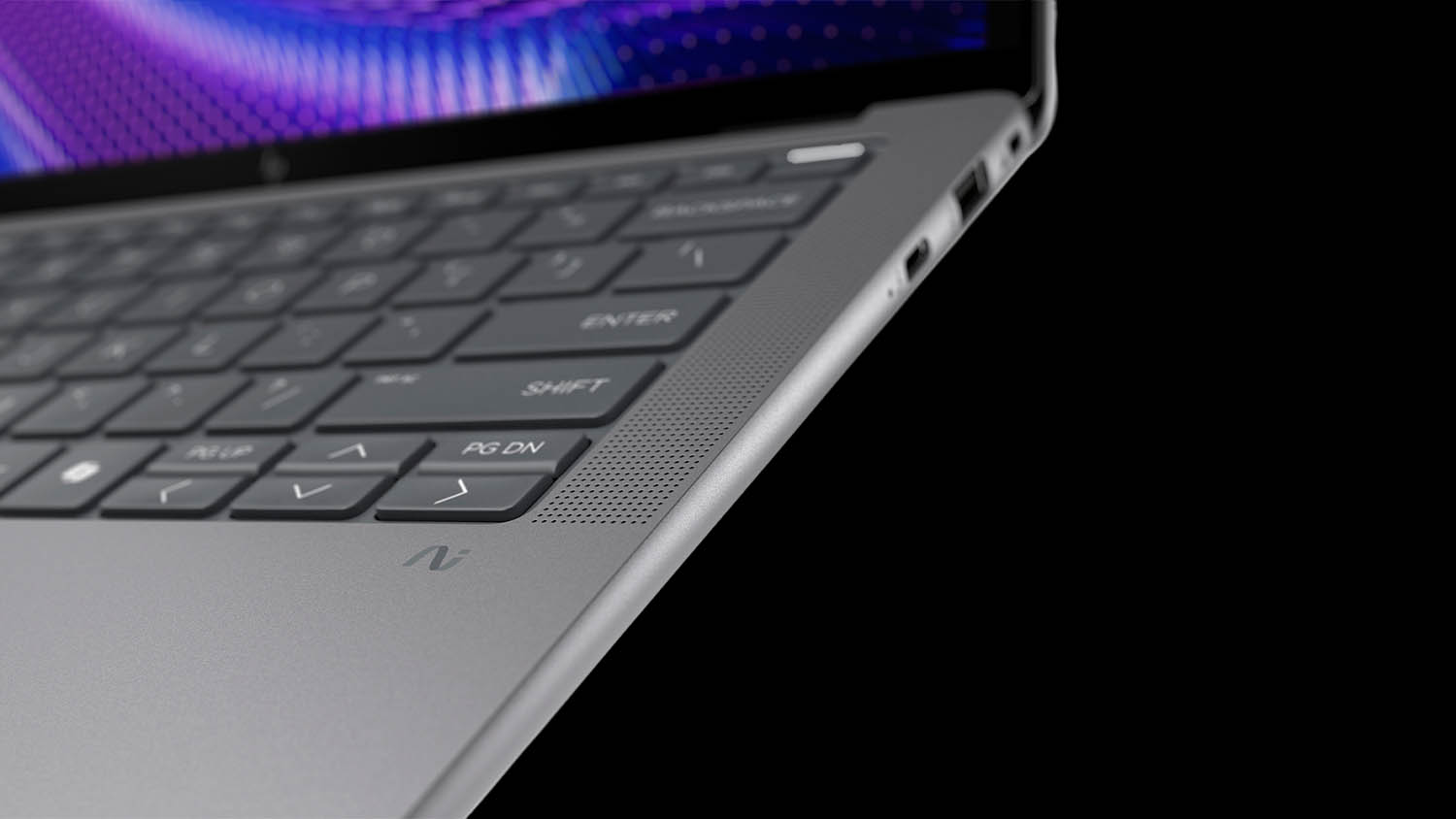
In a significant leap forward for mobile workstations, the latest enterprise-class laptops are offering unprecedented power and portability tailored for architecture, engineering, construction, and manufacturing (AECM) professionals. As the industry demands more from mobile computing, these new models are setting benchmarks in performance, design, and functionality.
What Happened
The HP ZBook Ultra G1a and Lenovo ThinkPad P14s Gen 6 AMD are at the forefront of this evolution, showcasing the capabilities of compact workstations. The HP ZBook Ultra G1a, featuring the 'Strix Halo' AMD Ryzen AI Max+ Pro 395 processor, redefines expectations for 14-inch laptops. It boasts 16 high-performance 'Zen 5' cores and an integrated Radeon 8060S GPU, capable of handling large datasets typically requiring larger machines. Its unified memory architecture allows up to 96 GB of high-speed system memory allocation, enhancing its performance in memory-intensive tasks such as visualization and AI workflows.
In parallel, the Lenovo ThinkPad P14s Gen 6 AMD, powered by the 'Strix Point' AMD Ryzen AI 9 HX 370 processor, matches the ZBook in single-core performance. Although slightly behind in multi-threaded operations, it remains a strong contender for CAD and BIM applications. It features a compact design, starting at 1.39 kg, with a focus on portability and serviceability, making it an excellent choice for professionals on the move.
Why It Matters for the AECM Industry
For AECM professionals, these advancements translate directly to improved efficiency and flexibility. The ability to perform complex simulations and visualizations on-the-go without sacrificing performance is a game-changer. The lightweight and slim designs of these workstations facilitate easy transport between job sites and offices, while their powerful processors and GPUs ensure that demanding software like V-Ray, KeyShot, and Solidworks Visualize can run smoothly. This convergence of power and portability reduces the need for multiple devices, streamlining workflows and potentially lowering equipment costs.
Moreover, as software support for AMD processors continues to grow, the gap between AMD and Nvidia-powered machines is narrowing, offering professionals more options in terms of hardware choices. This increased competition can lead to more innovative features and better pricing, benefiting the industry as a whole.
What's Next
As these new models hit the market, professionals should watch for further developments in software compatibility and performance benchmarks. The industry's shift towards more efficient, portable workstations is likely to accelerate, with manufacturers continually refining their offerings to meet the growing demands of AECM tasks. Upcoming product launches and updates from major software providers will be critical in determining the long-term viability and adoption of these AMD-powered machines in professional settings.
Is your firm ready for what’s next?
VisioneerIT helps AECM and government contractors modernize operations, achieve compliance, and implement AI.
Explore VisioneerIT Solutions →