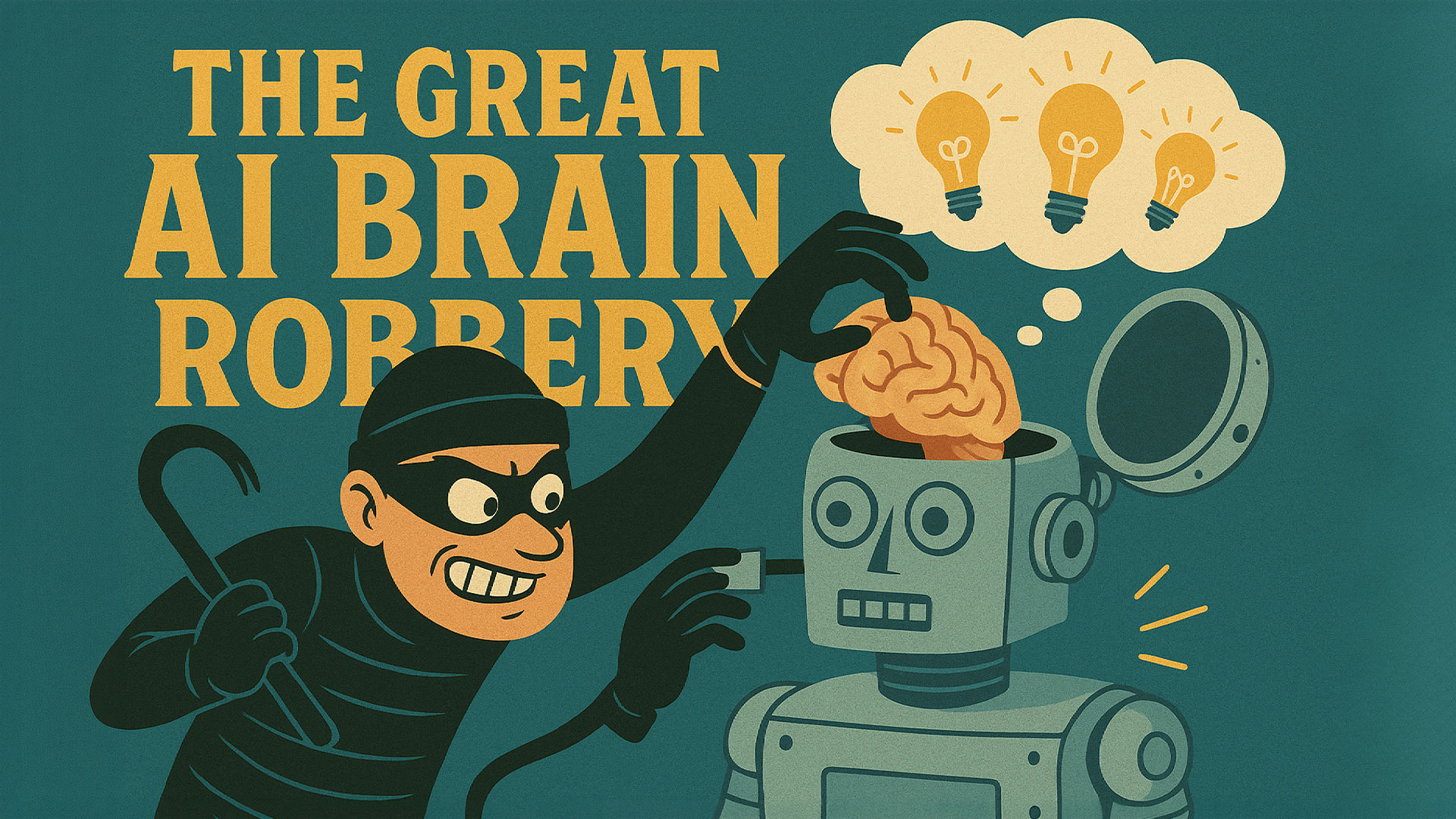
Agentic AI is making waves across industries, and now it's poised to revolutionize architecture, engineering, and construction (AEC). As AI systems become more autonomous, they are increasingly capable of executing tasks traditionally performed by skilled professionals. This advancement could redefine how buildings are designed and constructed, raising critical questions about the future role of human expertise in the AEC sector.
What Happened
At the NXT BLD conference in London, experts discussed the growing influence of AI in the AEC industry. New AI tools are being developed to optimize building designs, generate floor plans, and produce coordinated BIM models in mere minutes. These systems can simulate countless design possibilities, resolve constraints, and deliver a buildable model with minimal human intervention. Companies like Insilico Medicine in healthcare and Amazon in logistics have already harnessed AI to transform their operations, and now similar technologies are being applied to the built environment. The promise of AI-driven design is that it could allow for more efficient, data-driven, and innovative structures, potentially enabling buildings to almost design themselves.
Why It Matters for the AECM Industry
For professionals in the AEC industry, the rise of agentic AI presents both opportunities and challenges. On one hand, AI can significantly enhance productivity by performing complex calculations and design tasks more quickly and accurately than humans. This could lead to cost savings, reduced project timelines, and improved compliance with regulatory standards. However, there is also a risk that the reliance on AI could erode the specialized knowledge and creative problem-solving skills that professionals bring to the table. If decision-making is increasingly automated, the human context and reasoning that guide design and engineering decisions could be lost, potentially turning skilled architects and engineers into mere operators of AI-generated designs.
What's Next
As AI continues to evolve, AEC professionals must decide how to integrate these technologies into their workflows. There is a need for a balanced approach that leverages the strengths of AI while preserving the critical thinking and creativity that define human expertise. Industry stakeholders should watch for advancements in AI capabilities and consider the implications for professional development, ethics, and the future of work in the AEC sector. Upcoming industry conferences and publications will likely delve deeper into these topics, offering guidance on how to navigate the changing landscape.
Is your firm ready for what’s next?
VisioneerIT helps AECM and government contractors modernize operations, achieve compliance, and implement AI.
Explore VisioneerIT Solutions →