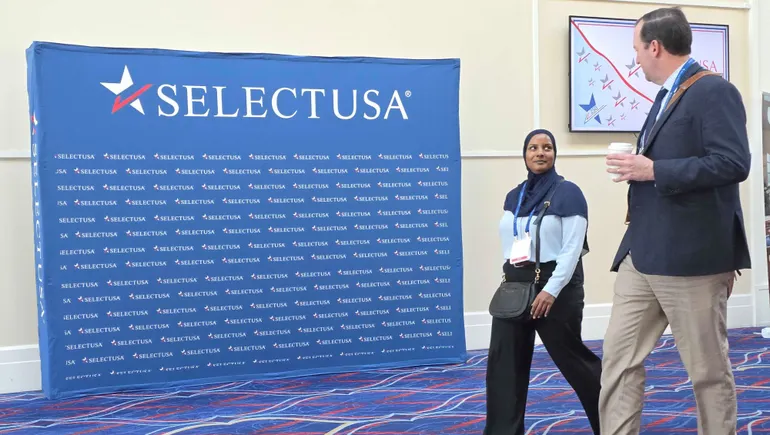
Trump administration officials have proposed significant reforms to expedite federal environmental permitting processes, aiming to unlock rapid infrastructure development across the United States. This initiative, discussed at the SelectUSA Investment Summit on May 5, 2026, seeks to address longstanding industry concerns about bureaucratic delays that impede economic growth.
What Happened
The SelectUSA Investment Summit, held at the Gaylord National Resort & Convention Center in National Harbor, Maryland, served as the platform for the Trump administration to outline its vision for a streamlined environmental permitting process. John Reiten, deputy executive director of the National Energy Dominance Council (NEDC), emphasized the administration's commitment to reducing bureaucratic barriers that delay major infrastructure projects. The administration's proposed budget for the Environmental Protection Agency includes an additional $14 million to cut through red tape, reflecting its prioritization of efficient project approvals.
The NEDC, established by executive order in February 2025, acts as a central hub for companies to navigate energy project approvals. It collaborates with state governments and federal agencies, such as the Bureau of Land Management, to expedite project timelines. Katherine Scarlett, chairman of the Council on Environmental Quality, highlighted the National Environmental Policy Act (NEPA) as a significant source of permitting delays. She noted that the CEQ is working with federal agencies to update procedures in line with recent NEPA reforms, aiming to simplify and expedite the process.
Why It Matters for the AECM Industry
For the architecture, engineering, construction, and manufacturing sectors, these proposed reforms could drastically alter project timelines and cost structures. Faster permitting means reduced holding costs and quicker deployment of capital, directly impacting project feasibility and profitability. By cutting through bureaucratic delays, the administration aims to foster a more competitive environment for domestic projects, reducing dependence on foreign energy sources and encouraging local development.
Streamlined permitting processes can alleviate bottlenecks in the supply chain, enabling quicker mobilization of resources and labor. This shift not only promises economic growth but also aligns with broader goals of energy independence and sustainability by promoting efficient project execution.
What's Next
Federal agencies are expected to implement new, streamlined NEPA permitting procedures by June 30, 2026. Industry professionals should monitor these developments closely, as they will dictate the pace and regulatory landscape of future infrastructure projects. Additionally, the administration's focus on modernizing permitting technology could lead to further efficiencies, with the potential transition away from outdated paper-based methods.
This regulatory overhaul presents opportunities for AECM professionals to engage with policymakers and provide feedback on proposed changes. Staying informed about these developments will be crucial for industry stakeholders aiming to capitalize on the new permitting framework.
Is your firm ready for what’s next?
VisioneerIT helps AECM and government contractors modernize operations, achieve compliance, and implement AI.
Explore VisioneerIT Solutions →Tracking the right federal opportunities?
OryonIQ's AI platform monitors agency forecasts, contract awards, and procurement timelines — so government contractors always know what’s coming next.
Try OryonIQ Free →