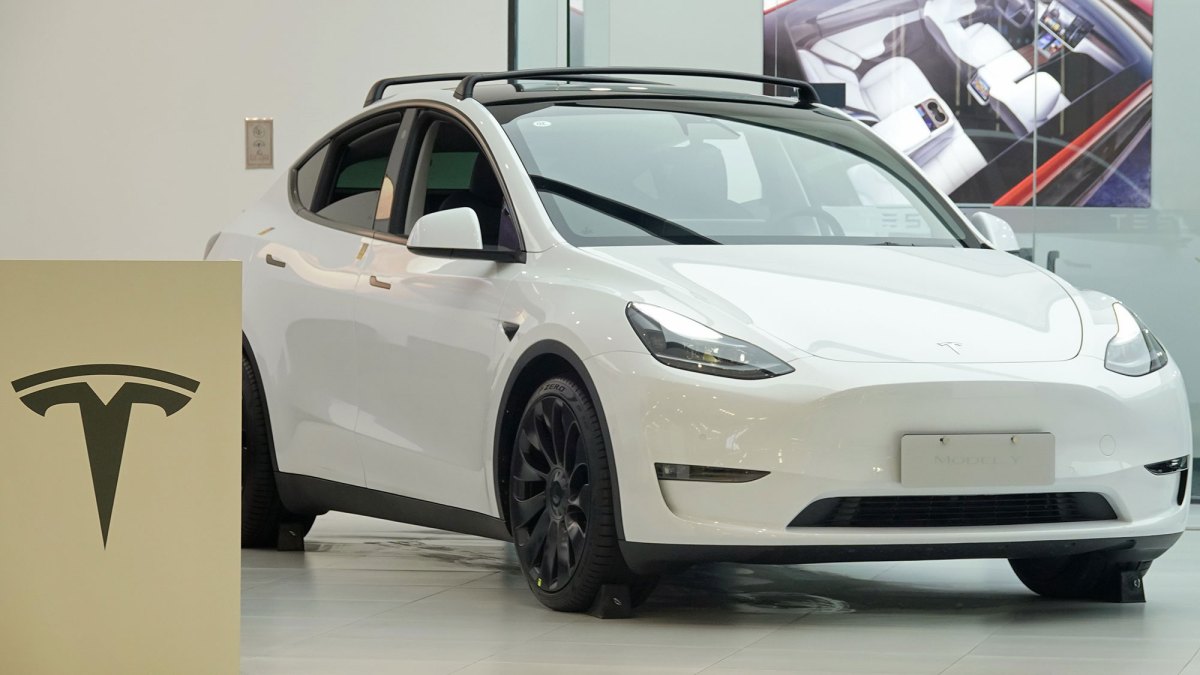
Elon Musk's recent admission that millions of Tesla vehicles require hardware upgrades to achieve Full Self-Driving (FSD) capabilities has sent ripples through the automotive and technology sectors. This revelation comes after years of assurances from Tesla that such updates would not be necessary, raising potential legal challenges from customers who purchased vehicles expecting them to be just a software update away from autonomous driving.
What Happened
Tesla's quarterly earnings call on Wednesday unveiled a pivotal shift in the company's stance on its Full Self-Driving software. CEO Elon Musk disclosed that Tesla vehicles equipped with the third version of its driver-assistance technology, known as "Hardware 3," will need new computers and cameras to support future versions of FSD that operate without human supervision. This affects cars sold between 2019 and 2023, which were marketed with the promise of imminent full autonomy.
This announcement comes after Musk's acknowledgment in January 2025 that Hardware 3 was inadequate for advanced FSD capabilities. Despite previous statements from Tesla's CFO Vaibhav Taneja suggesting that the company hadn't entirely given up on Hardware 3, Musk confirmed that upgrades are essential for achieving unsupervised driving.
To address the logistical challenge of updating millions of vehicles, Musk proposed the construction of "micro-factories" in major metropolitan areas. These facilities aim to prevent service centers from being overwhelmed by the scale of the required upgrades, which Musk described as "painful and difficult."
Why It Matters for the AECM Industry
The implications of this development extend beyond Tesla owners and into the broader AECM industry. The construction of micro-factories presents significant opportunities for architects and engineers specializing in industrial design and urban planning. These facilities will require rapid design and construction to meet the demands of Tesla's ambitious upgrade timeline.
For manufacturers, this shift underscores the critical role of supply chain agility and precision manufacturing. Producing the necessary hardware components at scale will demand collaboration across global supply networks, potentially invigorating the manufacturing sector with new contracts and technological advancements.
Moreover, the AECM industry must consider the regulatory and safety implications of widespread autonomous vehicle upgrades. As Tesla navigates legal challenges and customer dissatisfaction, there may be increased scrutiny and potential changes in regulations surrounding autonomous vehicles, impacting project timelines and compliance requirements.
What's Next
Tesla's plan to implement these hardware upgrades is still in its early stages, with no specific timeline announced for the construction of micro-factories. Industry professionals should monitor Tesla's announcements closely, as the establishment of these facilities could rapidly escalate construction demands in urban areas.
Additionally, stakeholders should stay informed about regulatory developments as legal challenges unfold. The outcomes of these challenges could influence future policies and standards for autonomous vehicle technology, affecting how projects are designed and executed.
Tesla's next steps and their execution will be pivotal in shaping the future landscape for both the automotive and AECM industries. As Tesla works to realize its Full Self-Driving vision, professionals across these sectors must adapt to the evolving demands and opportunities presented by this technological leap.
Is your firm ready for what’s next?
VisioneerIT helps AECM and government contractors modernize operations, achieve compliance, and implement AI.
Explore VisioneerIT Solutions →