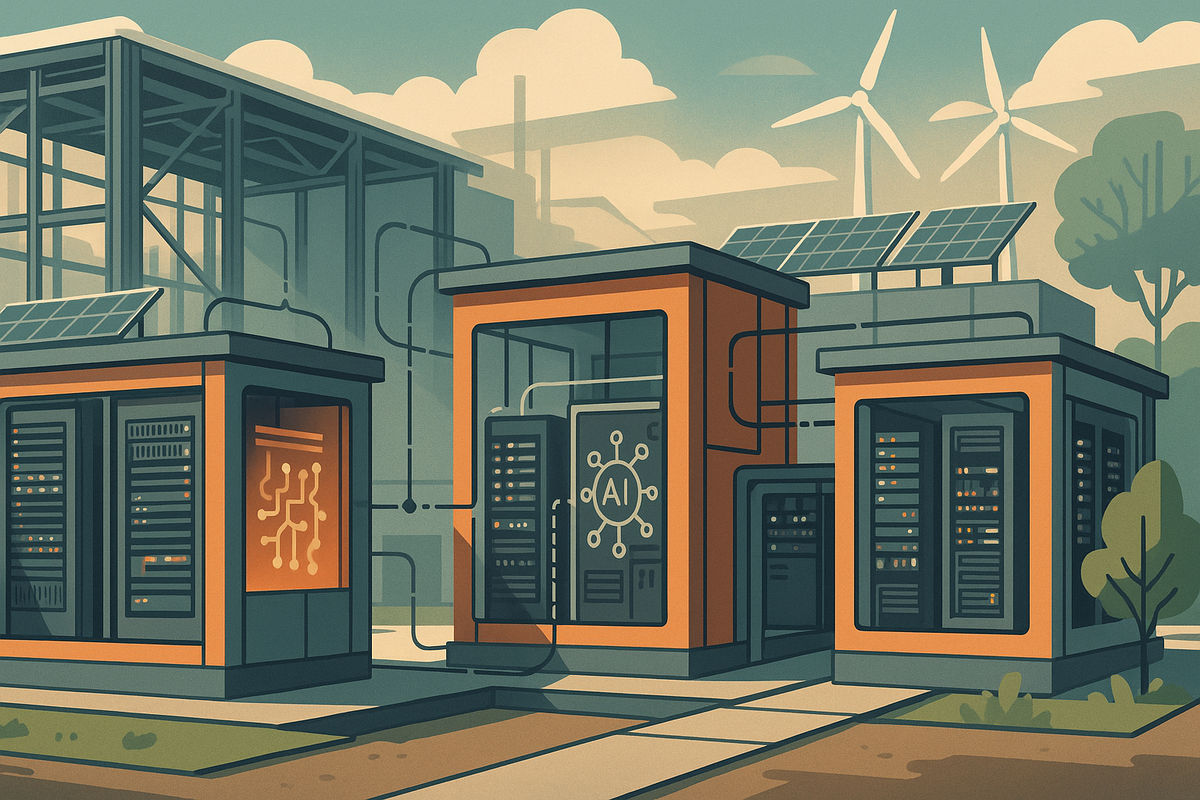
The advent of artificial intelligence (AI) is driving a fundamental shift in data center design, moving from large, centralized facilities to smaller, decentralized infrastructures. This change, highlighted by Pete Sacco of PTS Data Center Solutions, marks a significant transition in how data centers are constructed and operated, responding to the evolving needs of AI computing.
What Happened
The transformation in data center architecture is primarily due to the transition from AI training to inferencing. Training AI models requires massive computational power, traditionally supported by large, centralized data centers. However, inferencing — the process of applying these models to real-world tasks — demands a more distributed approach. This shift is leading to the development of smaller, more connected data centers, which can efficiently handle the specific needs of AI inferencing by being closer to the data source and reducing latency.
According to Pete Sacco, these smaller data centers are not only more efficient for AI applications but also provide a more sustainable and scalable solution. The decentralized model allows for flexibility and can be more easily adapted to technological advancements and changing industry demands.
Why It Matters for the AECM Industry
For professionals in the architecture, engineering, construction, and manufacturing (AECM) sectors, this shift presents both challenges and opportunities. The design and construction of smaller, connected data centers require different expertise and planning compared to traditional large-scale facilities. This can influence project timelines, costs, and resource allocation.
The decentralized approach also impacts the supply chain, as components and systems need to be tailored for smaller, distributed installations. Moreover, the focus on sustainability and energy efficiency in these new data centers aligns with broader industry trends towards greener building practices.
For manufacturers, this shift could mean increased demand for specialized equipment and new technologies that support the distributed data center model. Contractors and engineers must adapt to new design criteria and construction methodologies that accommodate the unique requirements of these facilities.
What's Next
As the AI industry continues to grow, the demand for small, connected data centers is expected to rise. Industry professionals should watch for emerging standards and technologies that support this decentralized model. Staying informed about policy changes and advancements in AI infrastructure will be crucial for those involved in the planning and execution of these projects.
Upcoming developments in data center technology and AI applications will likely influence future construction and engineering practices. Professionals should prepare to engage with and adapt to these changes, ensuring they are equipped to meet the evolving needs of the AI-driven market.
Is your firm ready for what’s next?
VisioneerIT helps AECM and government contractors modernize operations, achieve compliance, and implement AI.
Explore VisioneerIT Solutions →Tracking the right federal opportunities?
OryonIQ's AI platform monitors agency forecasts, contract awards, and procurement timelines — so government contractors always know what’s coming next.
Try OryonIQ Free →