Robotics, 3D printing, and digital fabrication are not just the future of construction; they are the present. At the forefront of this technological wave is Zaha Hadid Architects, where parametric design is redefining architectural possibilities. The approach, championed by Shajay Bhooshan, an associate at the firm, showcases how digital design tools can transform traditional architectural methods into efficient, adaptive, and sustainable practices.
What Happened
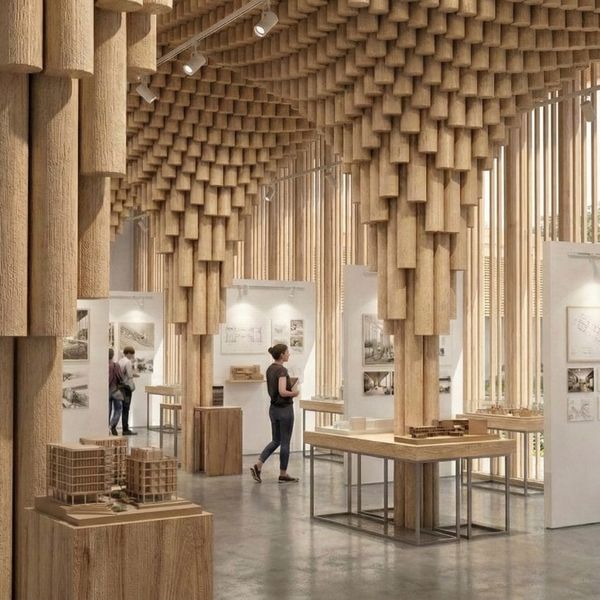
During the AEC Hackathon in Munich in April 2017, Shajay Bhooshan shared insights into how Zaha Hadid Architects employs parametric design to address modern architectural challenges. Parametric design involves setting a few critical parameters that generate a vast amount of data, which can then be transformed into buildable structures. This method allows for the creation of lightweight, material-efficient designs that mirror natural forms. One notable example presented by Bhooshan was a large shell structure made from aluminum elements, designed for easy assembly and disassembly.
Bhooshan co-founded the firm’s computation and design team, CoDe, which has grown steadily over the past decade. This team leverages programming, geometry, and mathematics to physically realize extensive research, drawing inspiration from historic architectural figures like Antonio Gaudi and Frank Lloyd Wright.
Why It Matters for the AECM Industry
For the AECM industry, the adoption of parametric design signifies a major shift towards more sustainable and adaptable construction practices. By embracing this technology, architects and engineers can optimize material use, reduce waste, and create structures that better adapt to environmental and societal changes. This approach not only improves efficiency but also aligns with the industry's growing emphasis on sustainability.
Moreover, Zaha Hadid Architects' tool-agnostic philosophy, which includes the use of software like Autodesk Revit and even gaming engines, encourages flexibility and innovation. This openness to various digital tools and interdisciplinary collaboration—working with computer artists and musicians, for instance—highlights a trend towards a more inclusive and comprehensive design process.
What's Next
As parametric design continues to evolve, the AECM industry should anticipate further integration of digital construction techniques, including robotics and AI. Professionals should keep an eye on developments in digital fabrication and the increasing role of big data in design processes. These technologies promise to not only revolutionize architectural aesthetics but also enhance the functionality and sustainability of built environments.
In the coming years, expect more firms to adopt parametric design as a standard practice, leading to a new era of construction that is both innovative and responsive to the complexities of modern life.
Is your firm ready for what’s next?
VisioneerIT helps AECM and government contractors modernize operations, achieve compliance, and implement AI.
Explore VisioneerIT Solutions →Tracking the right federal opportunities?
OryonIQ's AI platform monitors agency forecasts, contract awards, and procurement timelines — so government contractors always know what’s coming next.
Try OryonIQ Free →