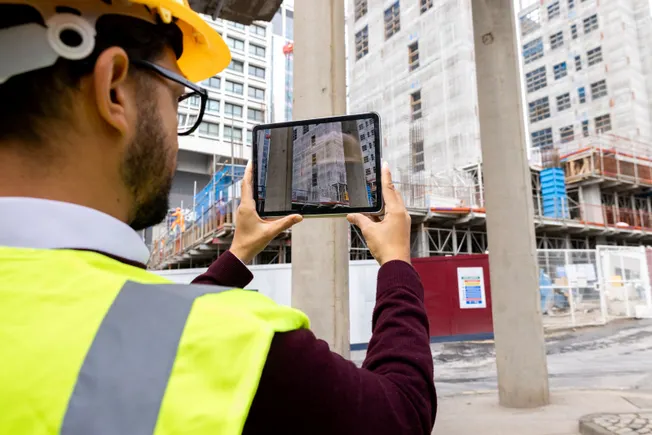
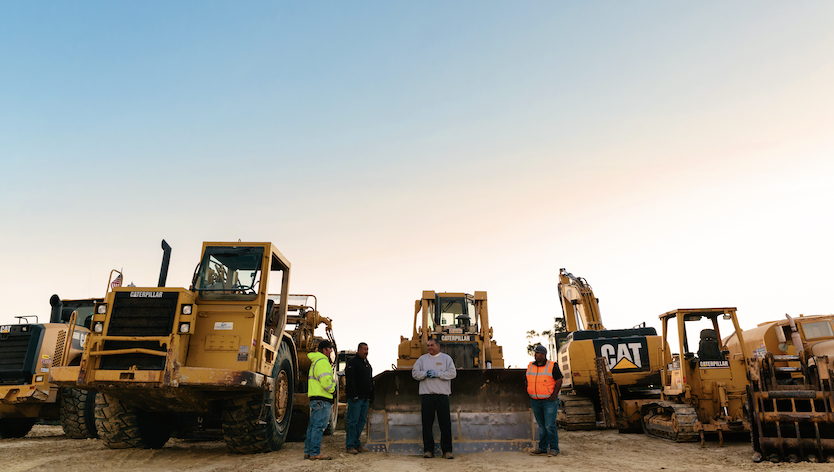
Over recent years, the construction industry has witnessed an increasing interest in robotics, spurred by technological advancements and a looming labor shortage. The advent of on-site robotics, demonstrated by pioneers like Peter Novikov and Enrico Dini, is poised to revolutionize how construction projects are executed. The implications for efficiency and cost-effectiveness in the architecture, engineering, construction, and manufacturing (AECM) sectors are profound.
What Happened
At the AEC Hackathon in Munich in April 2017, Professor Thomas Bock highlighted the evolution of construction robotics from their inception in the 1970s, primarily in Japan for prefabricated modular homes, to modern implementations. The current momentum towards on-site robotics is driven by a convergence of technologies including 3D printing, IoT, and artificial intelligence. These innovations promise to bridge the gap between digital design and manual construction, addressing inefficiencies cited by experts like Petr Novikov.
A notable example is the SAM100 by Construction Robotics, a semi-automated mason that collaborates with human workers to lay bricks. The SAM100 can increase a mason's productivity by 3-5 times while reducing physical strain. This robot is already commercially available, offering rental, leasing, and purchase options.
Why It Matters for the AECM Industry
For AECM professionals, the integration of robotics into construction sites offers a dual benefit: addressing labor shortages and enhancing productivity. The Japan Federation of Construction Contractors projects a significant decline in the workforce by 2025, making automation an essential consideration. Robots like the SAM100 can cut labor costs by over 50%, allowing firms to allocate resources more effectively.
The shift towards robotics also aligns with the principles of Industry 4.0, where smart technologies optimize operations. However, the dynamic nature of construction sites presents unique challenges, such as developing mobile, adaptable robots and ensuring human-robot safety. Solutions will require robust software for robot configuration and self-learning, as well as machine vision for navigating unpredictable environments.
What's Next
As the industry progresses, we can expect further developments in robotics technology and its application on construction sites. Key areas to watch include advancements in software for robot adaptability, improvements in machine learning for real-time decision-making, and the integration of new materials. Industry stakeholders should stay informed about policy changes and technological innovations that could impact implementation timelines.
The future of construction robotics holds promise for transforming the sector, but it will require continued collaboration between technology developers and industry leaders to overcome existing hurdles.
Is your firm ready for what’s next?
VisioneerIT helps AECM and government contractors modernize operations, achieve compliance, and implement AI.
Explore VisioneerIT Solutions →