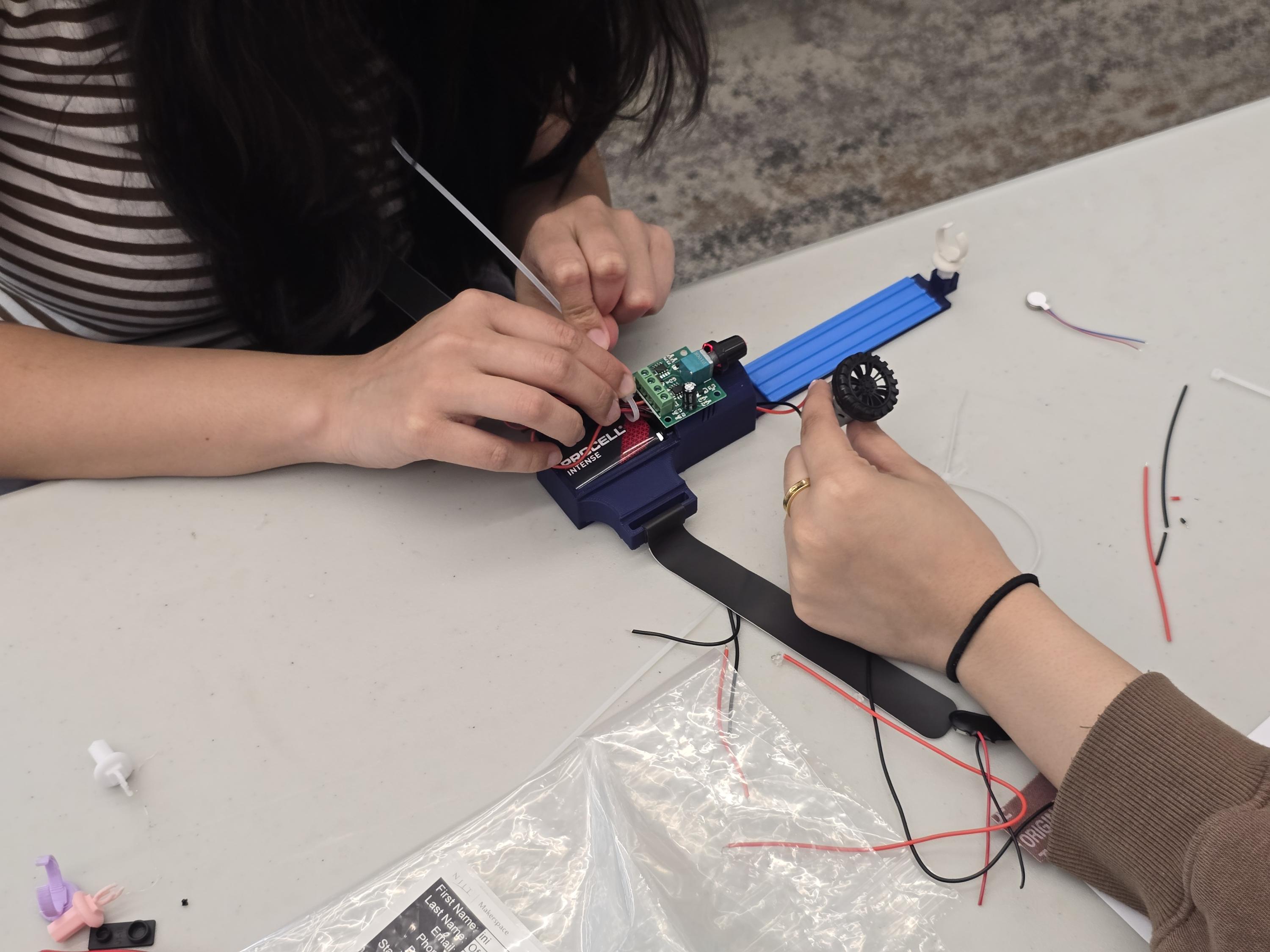
A recent event at the New Jersey Institute of Technology (NJIT) saw student teams pushing the boundaries of assistive technology design, highlighting the potential for rapid innovation in the field. The CADence: An Additive Design Jam, held on April 18, brought together aspiring engineers in a high-energy, one-day challenge to create prototypes that could transform accessibility in everyday life.
What Happened
NJIT hosted a one-day design sprint called CADence: An Additive Design Jam, where students from various disciplines collaborated to develop assistive technology prototypes. The event took place in the NJIT Makerspace, a hub for ingenuity and practical application, where six teams worked intensely to create solutions in medical, transportation, and community sectors. Using cutting-edge tools such as CAD software, 3D printing, and electrical components, students focused on designing modular devices aimed at solving real-world accessibility challenges. Their efforts culminated in prototypes that showcased innovative thinking and practical application, potentially paving the way for more inclusive design solutions.
Why It Matters for the AECM Industry
The event underscores the importance of integrating rapid prototyping and interdisciplinary collaboration in the engineering and construction sectors. For AECM professionals, the implications are significant: the ability to swiftly transition from design to prototype can drastically reduce project timelines and costs, while also improving the functionality and inclusivity of built environments. The use of 3D printing and modular design, as demonstrated by the NJIT students, is particularly relevant for the construction industry, where these technologies can lead to more efficient and sustainable building practices. Additionally, the focus on assistive technology aligns with a growing industry emphasis on universal design, which seeks to create spaces that are accessible to all, regardless of age or ability.
What's Next
The success of the CADence event at NJIT could inspire more academic institutions and industry leaders to collaborate on similar initiatives, fostering a new generation of engineers skilled in rapid prototyping and inclusive design. For professionals in the AECM sectors, staying abreast of such educational trends and technological advancements is crucial. As the industry continues to evolve, the integration of assistive technologies and the principles of universal design will likely become more prevalent, driving demand for skills in these areas. Future events and collaborations could further bridge the gap between academic innovation and practical application, ultimately benefiting society with more accessible and sustainable solutions.
Is your firm ready for what’s next?
VisioneerIT helps AECM and government contractors modernize operations, achieve compliance, and implement AI.
Explore VisioneerIT Solutions →Tracking the right federal opportunities?
OryonIQ's AI platform monitors agency forecasts, contract awards, and procurement timelines — so government contractors always know what’s coming next.
Try OryonIQ Free →