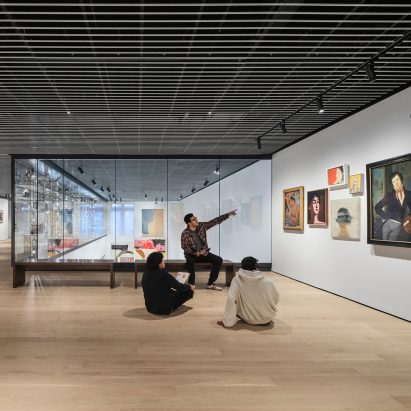
[Milan Design Week 2026 ended with a focus on futuristic and AI-driven designs. This year's event highlighted the integration of innovative materials and technologies in design, setting the stage for potential shifts in the AECM industry.]
What Happened
Milan Design Week 2026 concluded with a showcase of cutting-edge design trends, emphasizing the role of AI and futuristic themes in modern design. The event, which ran parallel to the Salone del Mobile, featured a variety of exhibitions and installations that explored space travel, AI, and the concept of food as a luxury item. Notably, inflatable furniture emerged as a prominent trend with contributions from major brands like IKEA. Designers also turned to sci-fi themes, as seen in AI-powered chandeliers and other luminary designs that evoked a sense of futuristic aesthetics.
One of the standout collaborations was between renowned Japanese architect Kengo Kuma and Jaipur Rugs, resulting in the 'Faces' collection. This series of 16 rugs draws inspiration from the facades of Kuma's architectural projects, such as the Albert Kahn Museum in France and the Suntory Museum of Art in Japan. Kuma's rugs aim to capture the sensory memory of architecture, focusing on the atmosphere and tactile experience rather than literal representation.
Why It Matters for the AECM Industry
The trends highlighted at Milan Design Week 2026 reflect a growing influence of AI and futuristic concepts within the AECM industry. The focus on inflatable furniture suggests potential shifts in material usage, offering lightweight and flexible options that could transform interior spaces and construction methodologies. AI-driven lighting and sci-fi themes indicate a move towards smarter, more adaptive environments, which could enhance energy efficiency and user experience in both residential and commercial buildings.
Kengo Kuma's rug collection underscores the potential for deeper collaboration between architects and product designers, integrating architectural aesthetics into interior design. This approach offers new opportunities for architects to expand their influence beyond traditional building projects, potentially leading to innovative product lines that complement architectural works.
What's Next
As the industry digests the innovations showcased at Milan Design Week 2026, professionals should watch for the adoption of inflatable materials and AI technologies in mainstream design and construction. The integration of these trends into standard practices could lead to new product developments and design strategies. Additionally, architects and designers may increasingly collaborate to blur the lines between architecture and interior design, creating cohesive and immersive environments.
Is your firm ready for what’s next?
VisioneerIT helps AECM and government contractors modernize operations, achieve compliance, and implement AI.
Explore VisioneerIT Solutions →