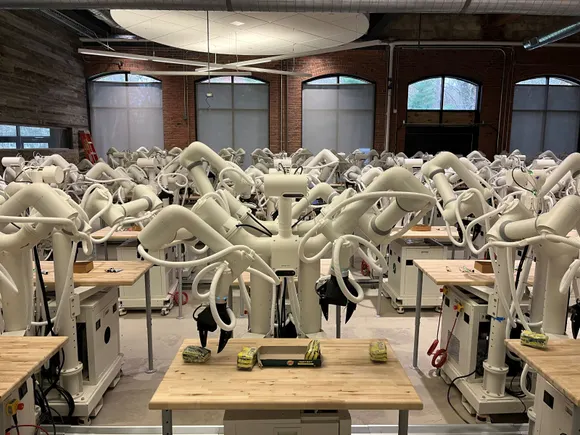
Tutor Intelligence, a Massachusetts-based startup, has launched what it claims is the largest robot data factory in the United States, located in Watertown. This development is a significant milestone in the robotics and data analytics sectors, particularly for the construction industry, as it promises to enhance the capabilities of autonomous robots used on job sites.
What Happened
Tutor Intelligence has opened its new headquarters in Watertown, Massachusetts, which is now home to the largest robot data factory in the country. This facility is designed to handle the growing demand for autonomous robotic solutions, providing enhanced data processing capabilities that are crucial for improving the efficiency and effectiveness of robots used in various industries, including construction. The company has seen a rise in interest from firms looking to integrate advanced robotic systems into their operations, driven by the need for more data-driven decision-making on job sites.
Why It Matters for the AECM Industry
The launch of this data factory is poised to have significant implications for the Architecture, Engineering, Construction, and Manufacturing (AECM) industry. With the ability to process vast amounts of data, autonomous robots can deliver better precision, reduce errors, and enhance productivity on construction sites. This can lead to cost reductions and improved project timelines, as robots equipped with advanced data processing capabilities can perform tasks more efficiently and safely. Moreover, as the construction industry faces labor shortages, the integration of sophisticated robotics can help fill the gap, allowing for more consistent and reliable project execution.
What's Next
Professionals in the AECM industry should keep an eye on the developments at Tutor Intelligence's facility, as it may lead to new product offerings and advancements in robotic technology. The startup's initiatives could set a precedent for how data analytics and robotics can be seamlessly integrated into construction workflows. Additionally, as demand for autonomous systems grows, there may be further opportunities for collaboration and innovation in the sector, potentially leading to new standards and practices in construction robotics.
Is your firm ready for what’s next?
VisioneerIT helps AECM and government contractors modernize operations, achieve compliance, and implement AI.
Explore VisioneerIT Solutions →